



















The 50/30/20 budget rule is one of the simplest and most effective ways to manage your money. Instead of tracking dozens of spending categories, this method divides your income into three clear buckets: needs, wants, and savings.
In an economy where housing costs, groceries, and insurance continue rising, many Americans feel like budgeting has become impossible. The 50/30/20 budget rule provides a practical framework that helps people balance essential expenses while still saving for the future.
If you are trying to build financial stability, reduce debt, or increase savings, this rule offers a simple starting point.
What Is the 50/30/20 Budget Rule?
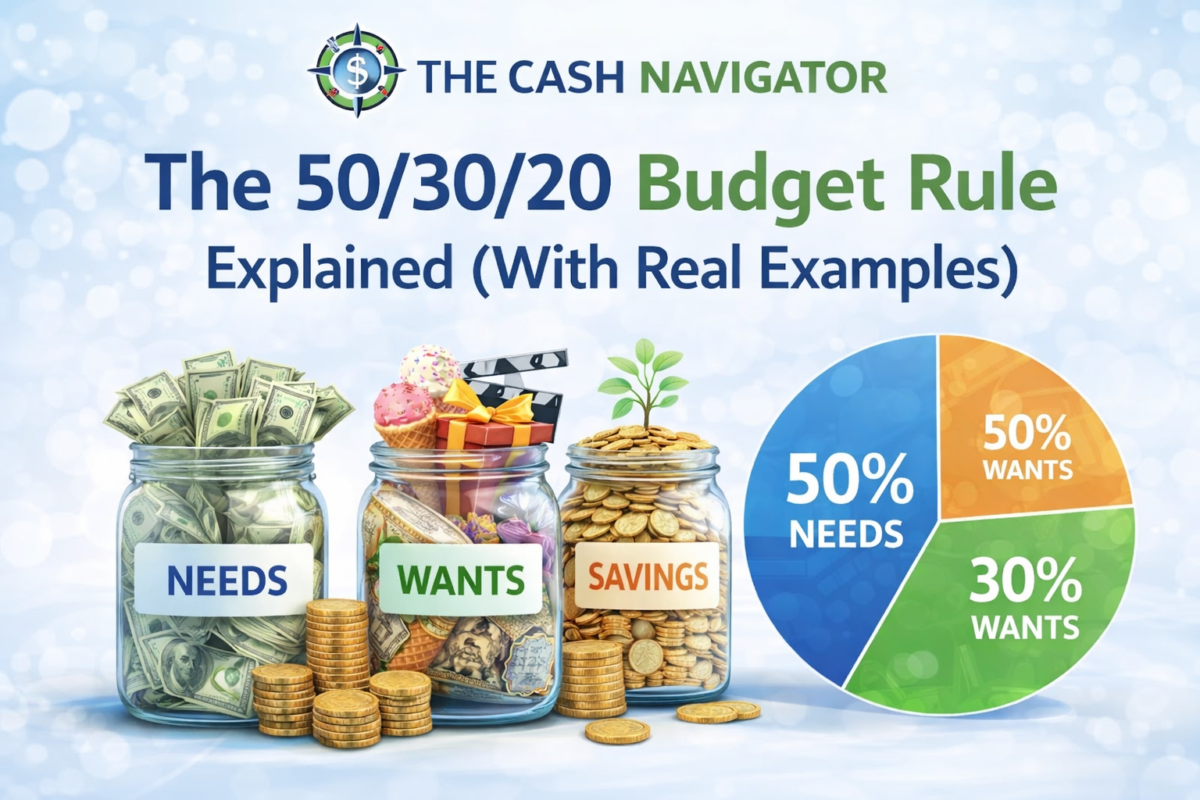
The 50/30/20 budget rule divides your after-tax income into three categories:
50% for Needs
Essential expenses required to live.
30% for Wants
Lifestyle spending and entertainment.
20% for Savings and Debt Repayment
Building financial security and paying down debt.
This budgeting strategy became popular after U.S. Senator Elizabeth Warren discussed it in her book All Your Worth: The Ultimate Lifetime Money Plan.
The power of the 50/30/20 budget rule is its simplicity. Instead of obsessing over every dollar, you focus on maintaining the right overall balance.
The Three Categories Explained
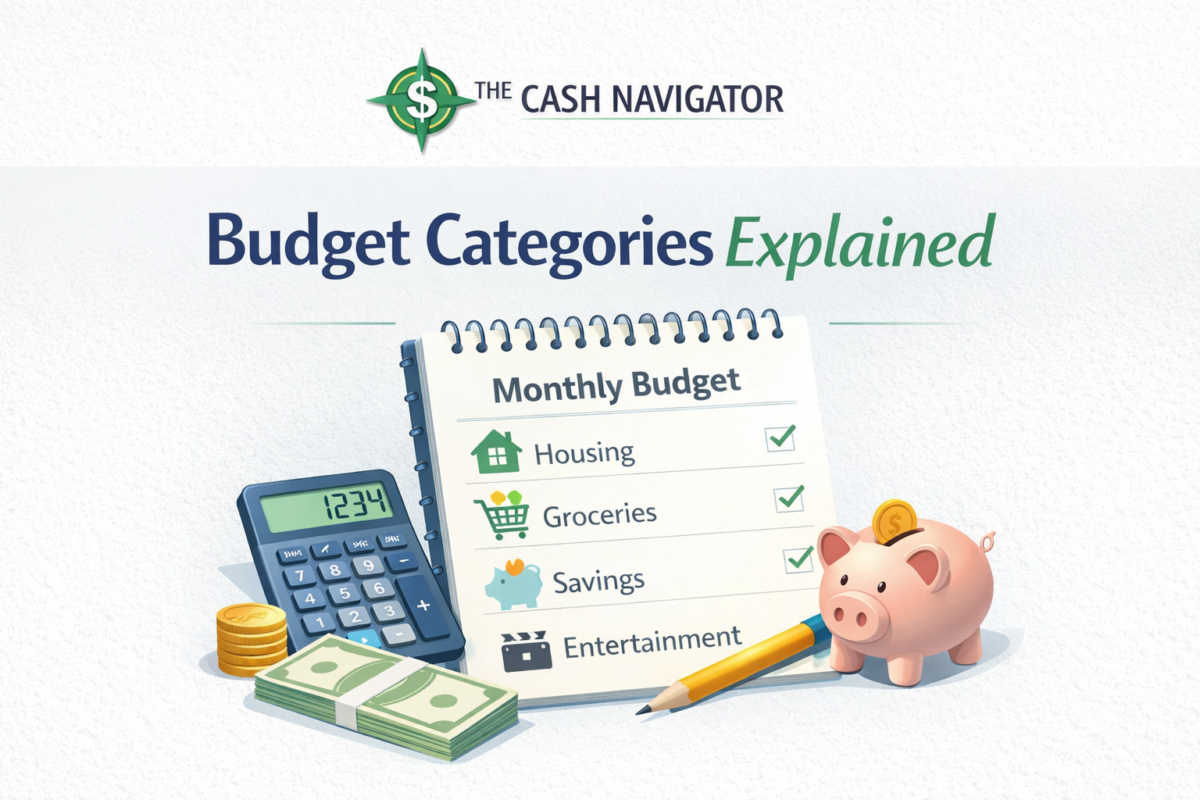
1. 50% for Needs
Needs are expenses you must pay to maintain basic living conditions.
Common examples include:
- Rent or mortgage
- Utilities
- Groceries
- Transportation
- Insurance
- Minimum debt payments
For many households today, housing alone can approach 30–40% of income. According to the U.S. Bureau of Labor Statistics, housing is typically the largest expense category for American households.
If your needs exceed 50%, you may need to reduce other categories temporarily while improving income or lowering fixed costs.
2. 30% for Wants
The next 30% covers lifestyle spending. These are things you enjoy but could technically live without.
Examples include:
- Dining out
- Streaming subscriptions
- Travel
- Gym memberships
- Hobbies
- Shopping
- Entertainment
This category prevents burnout. A budget that eliminates all enjoyment rarely lasts long.
The 50/30/20 budget rule recognizes that financial health includes balance, not just restriction.
3. 20% for Savings and Debt Repayment
The final portion of the 50/30/20 budget rule focuses on building long-term security.
This includes:
- Emergency fund contributions
- Retirement investing
- Stock market investments
- Extra credit card payments
- Student loan payoff
Financial planners often recommend saving 3–6 months of expenses as an emergency fund before aggressively investing.
If you are still building your safety net, you may want to review our guide on:
How Much Emergency Fund Should You Have
Real Examples of the 50/30/20 Budget Rule
Here are practical examples showing how the 50/30/20 budget rule works with different income levels.
Example 1: $3,000 Monthly Take-Home Income
Needs (50%) → $1,500
- Rent: $900
- Utilities: $200
- Groceries: $300
- Transportation: $100
Wants (30%) → $900
- Dining out: $250
- Entertainment: $200
- Shopping: $250
- Travel savings: $200
Savings (20%) → $600
- Emergency fund: $300
- Retirement investments: $200
- Extra debt payments: $100
Example 2: $5,000 Monthly Take-Home Income
Needs (50%) → $2,500
Wants (30%) → $1,500
Savings (20%) → $1,000
At this level, the 50/30/20 budget rule allows you to build savings quickly while maintaining lifestyle flexibility.
What If Your Expenses Don’t Fit the Rule?
In today’s economy, some households cannot immediately meet the 50/30/20 targets. Rising rent, healthcare costs, and student loans often push needs beyond 50%.
That does not mean the system fails. Instead, use it as a directional guideline.
For example:
60/20/20 may work temporarily if housing costs are high.
The goal is gradually shifting toward the 50/30/20 budget rule as income grows or expenses fall.
If money is especially tight, you may also find value in reading:
How to Save Money on a Low Income
Why the 50/30/20 Budget Rule Works
The 50/30/20 budget rule succeeds because it focuses on big financial behaviors instead of micromanagement.
Benefits include:
- Simpler budgeting system
- Clear spending boundaries
- Consistent savings habit
- Flexible lifestyle spending
- Easy to adjust as income changes
This method also aligns with many financial planning frameworks used by professional advisors.
Resources such as the Consumer Financial Protection Bureau and NerdWallet often reference similar budget allocation strategies.
Frequently Asked Questions
Is the 50/30/20 budget rule realistic today?
Yes, but adjustments may be necessary. In high-cost cities, housing alone may exceed 50% of income. The rule should be viewed as a guideline rather than a strict law.
Does the 20% savings include retirement?
Yes. Retirement contributions such as 401(k) or IRA deposits count toward the 20% savings category.
What if I can only save 5–10% right now?
Start where you are. Consistency matters more than perfection. Over time, increasing savings toward the 20% target strengthens financial stability.
Should I invest before building an emergency fund?
Most financial planners recommend first saving 3–6 months of expenses before investing aggressively.
Final Thoughts
The 50/30/20 budget rule remains one of the most practical frameworks for managing money. It simplifies financial decisions while ensuring that savings remain a consistent priority.
Even if your current expenses do not perfectly fit the formula, the rule provides a clear target to move toward as your financial situation improves.
Small adjustments made consistently over time can dramatically improve your financial future.
If you are building your financial foundation, you may also want to explore:
- How Much Money Should You Save Each Month
- How Much Emergency Fund Should You Have
- How to Save Your First $1,000
Together, these strategies form the core of a strong personal finance plan.

