














If you’ve typed how to save money into Google lately, you’ve probably noticed something: most advice falls into two buckets—either it’s too generic (“spend less”) or it assumes life is cheaper than it is. In today’s economy, the challenge isn’t that you don’t care. It’s that the margin between income and expenses is thin.
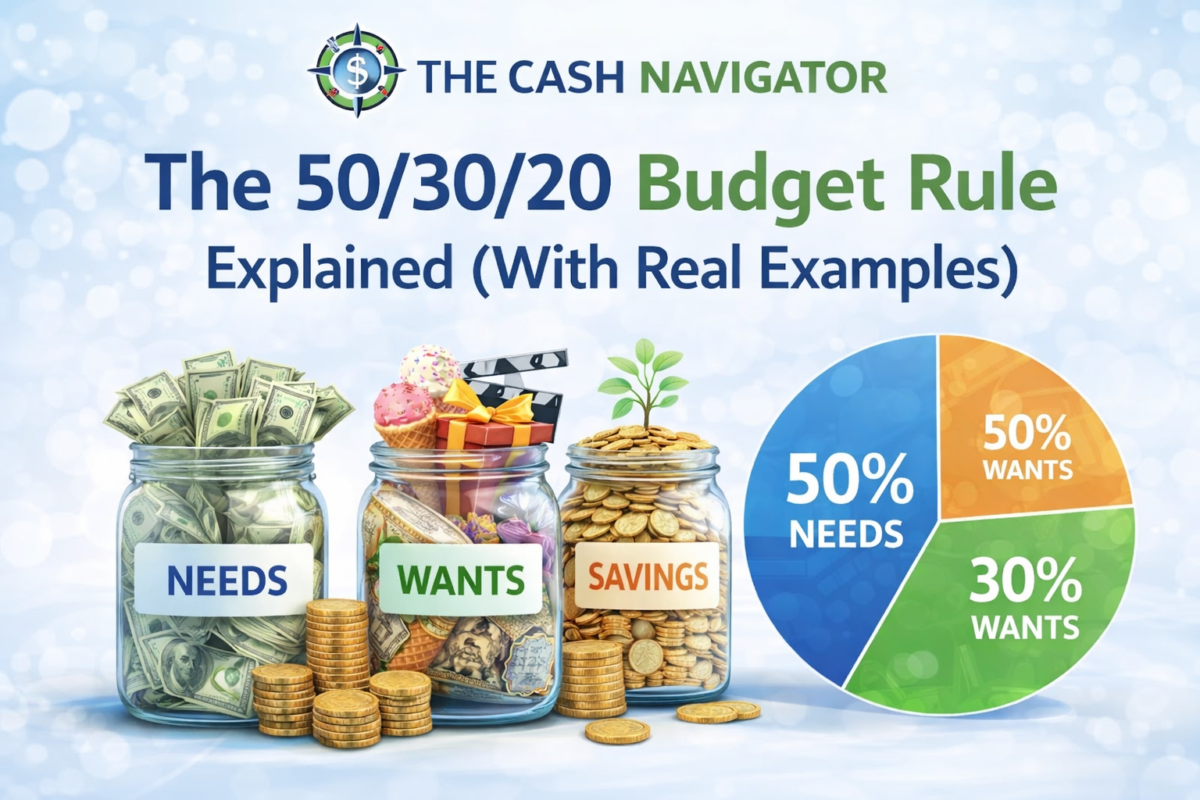
This is a practical, modern plan for how to save money that works even when rent is high, groceries feel unpredictable, and interest rates create both risk (expensive debt) and opportunity (better yields on cash). If you need a simple budgeting foundation first, start with our pillar guide: The 50/30/20 Budget Rule Explained (With Real Examples). Then come back here to stress-test your savings strategy for 2026 conditions.
Key takeaways (read this first):
- Make savings automatic and protect it from spending.
- Cut big bills before small luxuries (housing, transportation, food, insurance).
- Use high-yield cash options so your emergency fund actually earns something.
- Build a “buffer ladder” ($500 → $1,000 → one month → 3–6 months).
- Pay down high-interest debt strategically; it’s often your highest “return.”
Why saving feels harder right now
If you feel like you’re doing “the right things” and still can’t save, you’re not imagining it. Even when inflation cools, the prices you pay for essentials don’t rewind. They become the new baseline—and that baseline can eat the breathing room you used to have. That’s why the goal in 2026 isn’t just budgeting. It’s building systems that create and protect margin.
For context: the latest U.S. Consumer Price Index (CPI-U) report showed inflation running in the mid-2% range year-over-year, with “core” inflation (excluding food and energy) in a similar range and shelter still rising faster than the headline pace. You can see the official release here: U.S. Bureau of Labor Statistics CPI Summary.
At the same time, borrowing costs have stayed elevated. The Federal Reserve has been maintaining a higher target range for the federal funds rate, which influences everything from credit card rates to savings yields. See the latest policy statement here: Federal Reserve FOMC statement.
Here’s the new reality most people are navigating: expensive necessities, a higher cost of borrowing, and a savings environment where leaving cash in a low-paying account quietly loses purchasing power. So the modern answer to how to save money is not “skip coffee.” It’s: (1) reduce the biggest fixed costs you can, (2) automate savings so it happens no matter what, and (3) make every saved dollar work harder.
Build a budget that survives real life
Most budgets fail for one reason: they assume life will behave. It won’t. Car repairs happen. Kids get sick. Prices jump. A budget that breaks the first time something goes wrong is not a budget—it’s a wish.
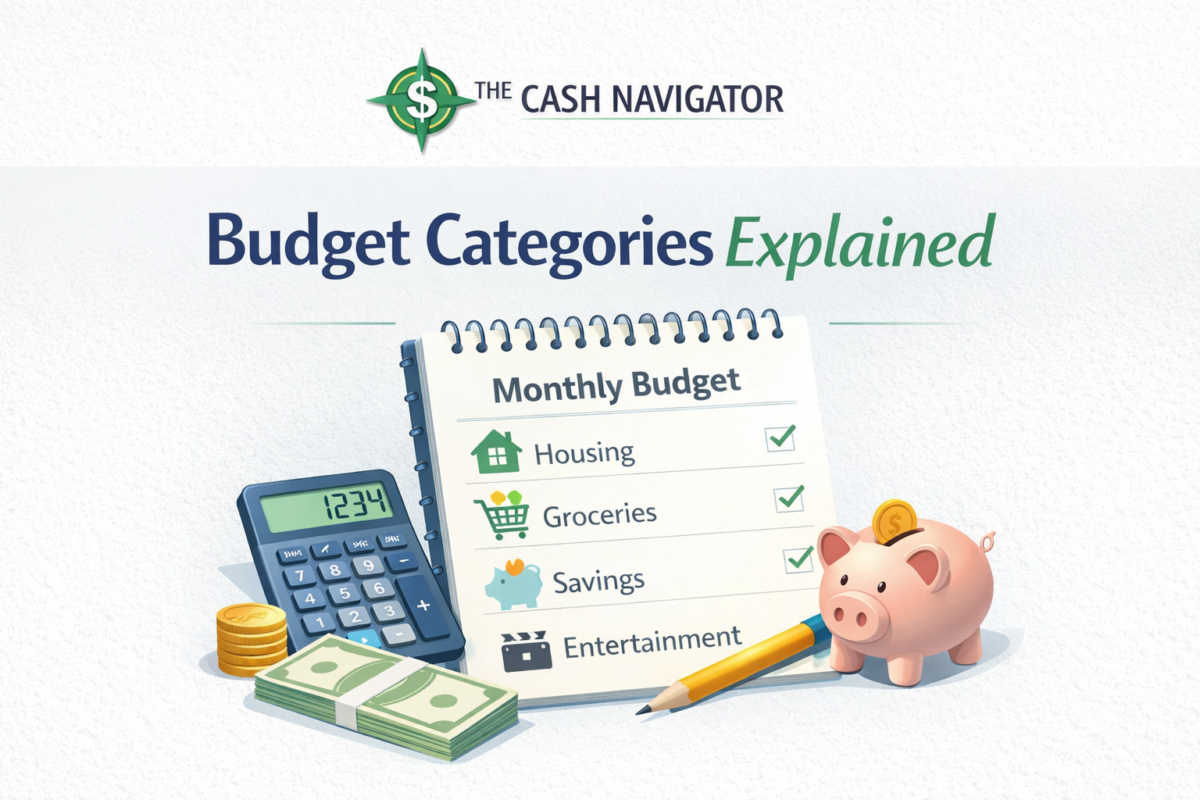
Start with a framework, then modify it for reality. A simple starting point is the 50/30/20 rule (needs/wants/savings). If your “needs” bucket is over 50% right now, that doesn’t mean you’re failing—it means you need a more flexible structure, like a priority budget.
Try this “Priority Budget” method:
- Tier one: housing, utilities, transportation to work, basic groceries, minimum debt payments
- Tier two: insurance, prescriptions, childcare, phone/internet
- Tier three: everything else (subscriptions, eating out, extras)
Here’s why this works for how to save money: you stop pretending every category is equally important. You pay the “musts,” stabilize the month, then decide what to do with what’s left. Even if what’s left is $10.
Want a clear savings target that fits your income? Read: How Much Money Should You Save Each Month? and use the calculators hub when you’re ready: Financial Calculators.
Build your emergency fund with a buffer ladder
If your savings account is at $0, the next unexpected expense becomes debt. That’s the trap. The fastest way out is not “save six months.” It’s building a small buffer that prevents chaos—then scaling it.
The buffer ladder (simple, realistic, repeatable):
- $500 buffer: prevents overdrafts and covers small surprises
- $1,000 starter fund: covers most “life happens” bills without a credit card
- One month of essentials: real breathing room
- Three to six months of essentials: long-term stability
Need help choosing your target? Start here: How Much Emergency Fund Should You Have? and run your numbers with our tool: Emergency Fund Calculator.
If you want a clear, consumer-friendly checklist for building emergency savings, this public resource is worth reading: CFPB’s essential guide to building an emergency fund .
The reason this ladder is a powerful answer for how to save money is momentum. Every level you hit reduces fear, reduces fees, and reduces the odds of turning one bad week into a bad year.
Micro-rule: save the smallest amount that won’t fail. $5 per paycheck is valid. Consistency beats intensity.
Make your cash earn while it waits
One of the most overlooked strategies for how to save money in 2026 is simply putting your cash in a better place. You don’t need to “invest” your emergency fund aggressively. You just need a safe account that doesn’t pay near-zero.
Many large banks still pay extremely low interest on standard savings accounts. Meanwhile, high-yield savings accounts can pay meaningfully more—often through online banks and competitive institutions. If you want a step-by-step guide, read: Best High Yield Savings Accounts (2026 Guide).
Safety note: Keep your emergency fund in an account that is insured (FDIC-insured banks or NCUA-insured credit unions), and avoid chasing sketchy “too good to be true” yields. Prefer simple, boring, and insured. If you’re not sure how coverage works, start with: FDIC deposit insurance basics .
Quick options to consider for short-term savings:
- High-yield savings accounts: liquid, simple, good for emergency funds
- Money market deposit accounts: sometimes similar yields with slightly different features
- CDs: higher yield if you can lock cash for a term (but watch early withdrawal penalties)
- U.S. Treasury bills: competitive yields; ideal for “don’t touch for 4–13 weeks” money
External deep dives (useful if you want current rate snapshots and market context): NerdWallet’s guide on how to save money, Forbes Advisor’s savings rate update, and recent reporting from Bloomberg on the interest-rate outlook.
Tax note: Interest you earn is generally taxable at the federal level. Keep it simple: your bank may send a tax form if you earned at least $10 in interest, and you still report taxable interest even if you don’t get a form.
Shrink the big three categories
If you actually want to master how to save money, focus where dollars are biggest: housing, transportation, and food. You don’t need to perfect every category—just win the big three and protect savings from the start.
Housing: reduce “housing-adjacent” costs
If you can’t move or renegotiate rent, look for the costs attached to housing: internet, utilities, renters/home insurance, and fees. A single phone call to request a lower plan, a promo rate, or a retention offer can save real money.
Simple script: “I’m reviewing my budget and need to lower this bill. What lower-priced plans or discounts are available right now?”
Transportation: prevent expensive breakdowns
Transportation drains budgets in sneaky ways: gas, insurance, repairs, and “small” maintenance you postpone until it becomes big. If your goal is how to save money fast, start with prevention: basic maintenance, fewer trips, and bundling errands.
Food: win the week, not the year
Food spending is one of the most “movable” essentials. The trick is a weekly system: plan 2–3 repeatable meals, buy ingredients once, and avoid daily store runs (daily runs create impulse buys).
Quick grocery framework:
- Pick 2 base proteins (chicken, eggs, beans, tuna)
- Pick 2 base carbs (rice, pasta, tortillas)
- Pick 3 vegetables (fresh or frozen)
- Pick 2 “easy wins” (yogurt, oats, soup)
One weekly plan is a surprisingly strong answer to how to save money, because it reduces waste, reduces impulse spending, and reduces takeout “because nothing is ready.”
Stop money leaks and subscription creep
Here’s the truth: you don’t “suddenly” run out of money. It leaks. Subscriptions, fees, delivery charges, app renewals, and small daily spending that never gets noticed—until the end of the month. Plugging leaks is one of the fastest ways to learn how to save money without feeling deprived.
Run a 15-minute monthly leak audit:
- Search your bank transactions for “monthly,” “recurring,” and “subscription.”
- Cancel or pause one service.
- Negotiate one bill (internet, phone, insurance).
- Turn on low-balance alerts to avoid overdraft fees.
Protect yourself: when you use free trials, set a calendar reminder to cancel. If you want consumer protection tips on negative-option subscriptions, see: FTC guidance on free trials and auto-renewals .
Also, use a “cooling-off rule.” If you’re wrestling with impulse buys, try this: wait 48 hours before buying non-essentials. For large purchases, wait 7 days. Adding time is a simple psychological hack for how to save money.
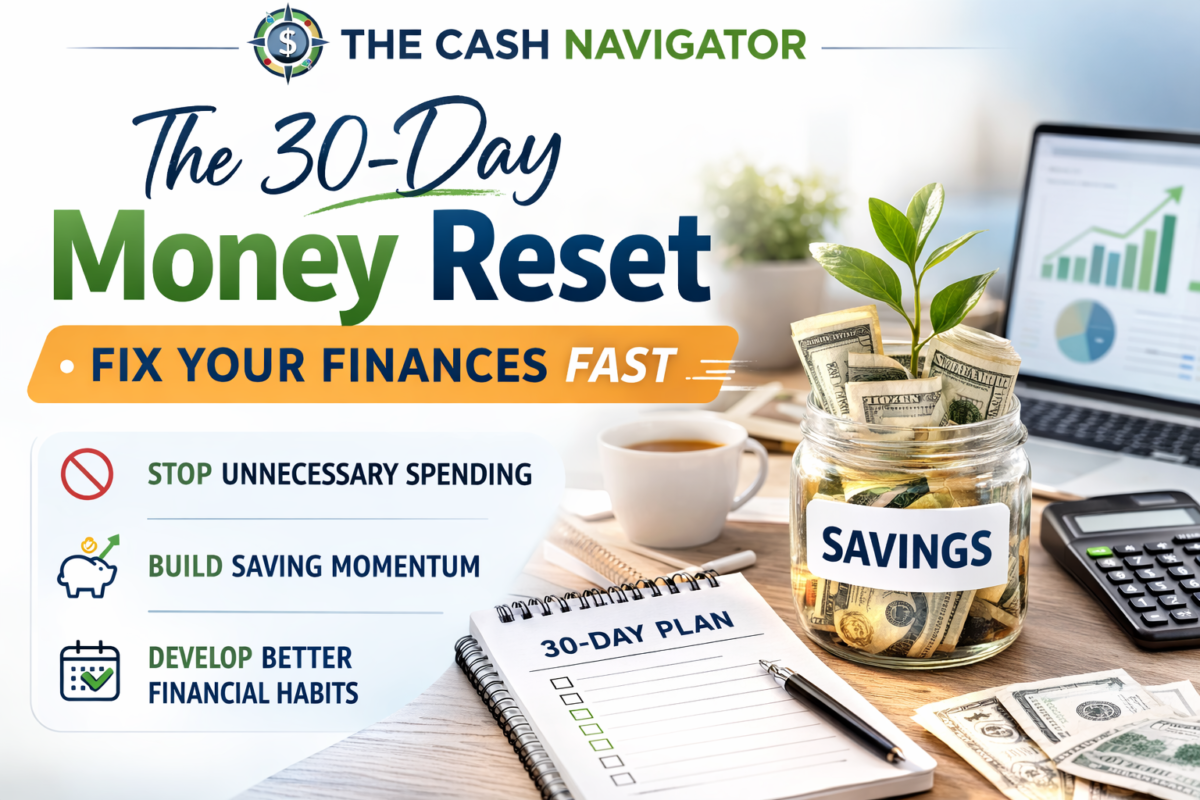
Want a structured short-term reset? Use: The 30-Day Money Reset.
Use a smart debt strategy to free cash
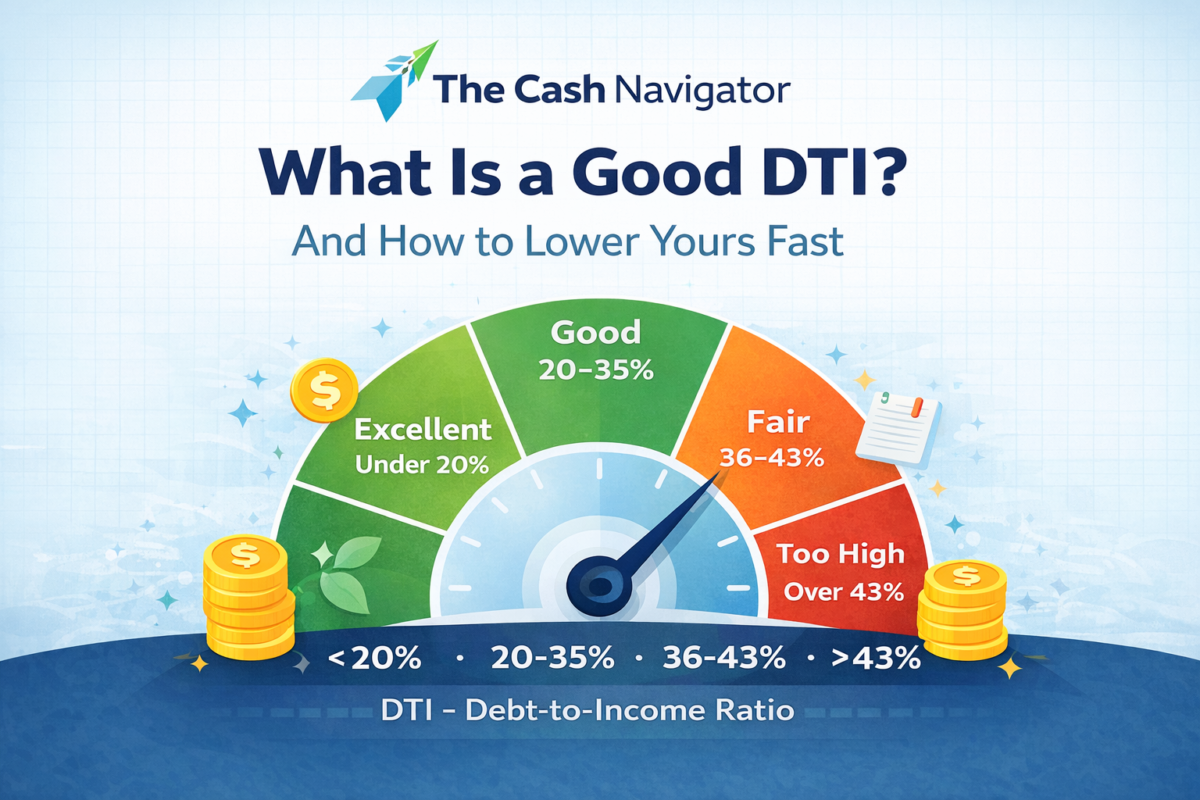
In a higher-rate world, debt is more expensive. And expensive debt steals your future savings. This is why “paying off high-interest debt” is one of the most consistent recommendations across top personal finance sites. If your credit card APR is higher than your savings yield, paying extra toward that debt is often the best “return” available.
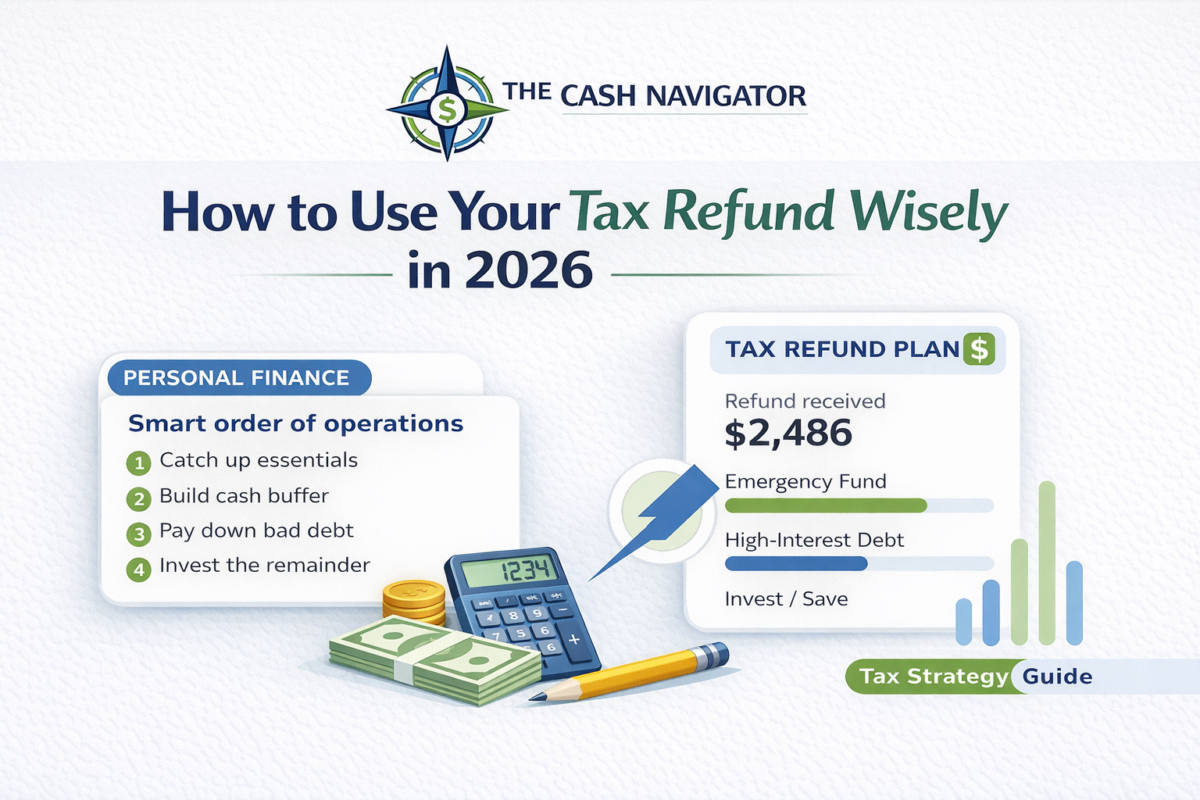
A simple order of operations:
- Build a small buffer ($500–$1,000) so surprises don’t go on a card.
- Pay minimums on all debts.
- Attack the highest interest rate first (debt avalanche).
- When that’s gone, roll that payment to the next highest rate.
If you want to see exactly how much time and interest you can save, use: Debt Payoff Calculator. And if you’re rebuilding on a tight margin, read: How to Save Money on a Low Income.
This is an underrated truth about how to save money: lowering your interest payments is the same as getting a raise. It frees up cash every single month.
Increase income without burning out
Cutting expenses has a limit. Income has a bigger ceiling. If you’re serious about how to save money faster, the cleanest “accelerator” is targeted extra income. Not a second full-time job—just a specific, short-term income goal.
Try this “$75/week” target:
- Sell unused items (fastest win)
- Pick one side gig that fits your schedule (delivery, freelancing, tutoring)
- Ask for overtime, shift differential, or a small raise if your workplace allows it
If you want options with real earnings ranges and time estimates, read: Side Hustles That Actually Make Money. Then redirect the extra money automatically into savings so it doesn’t disappear.
A simple 30-day plan to kickstart momentum
Reading advice is not the same as building change. The best way to learn how to save money is to run a short “experiment” and prove to yourself that you can build margin. Here’s a 30-day plan that focuses on the highest-leverage actions.
| Week | Move | Goal |
|---|---|---|
| Week one | Track every expense + cancel one subscription | Find one leak and plug it |
| Week two | Run a bill audit + negotiate one bill | Lower a fixed monthly cost |
| Week three | Meal plan + one “no-spend” category | Reduce impulse spending |
| Week four | Automate a savings transfer + choose a buffer target | Make saving repeatable |
If you want the full reset framework, use: The 30-Day Money Reset. If you prefer a longer-term savings goal, pair this plan with: How to Save $5,000 in One Year.
The real secret behind how to save money isn’t perfection. It’s repetition. Build one win. Automate it. Then stack the next win.
FAQ
How can I start saving if I’m living paycheck to paycheck?
Start with a tiny automatic transfer ($5–$10 per paycheck) and aim for a $500 buffer first. A small buffer prevents overdrafts and reduces how often emergencies become debt.
Should I save or pay off debt first?
If you have no buffer, save $500–$1,000 first. Then focus on high-interest debt. This avoids running back to the card the first time something breaks.
Where should I keep my emergency fund?
Keep it liquid, safe, and boring—usually an insured high-yield savings account. If you want guidance on earning interest responsibly, see: Best High Yield Savings Accounts (2026 Guide).
Is interest from a savings account taxable?
In general, yes—interest is taxable income at the federal level. Learn more at: IRS Topic 403: Interest received.
What’s the fastest way to save money without feeling deprived?
Cut one fixed bill and automate savings. Fixed costs repeat every month, so even a small reduction compounds. That’s a high-leverage way to master how to save money without cutting everything you enjoy.
I’m

