


















If your money feels messy, inconsistent, or stressful, the real problem usually is not income alone. It is the lack of a reliable personal finance system.
Most people do not fail with money because they are lazy or irresponsible. They fail because they are trying to manage bills, debt, savings, investing, and daily spending without a structure. They rely on memory, emotion, and whatever feels urgent that week. That works for a few days, then life happens. A large bill hits. Groceries cost more than expected. A car repair pops up. Credit card balances creep higher. Savings stall.
A strong personal finance system fixes that.
Instead of guessing what to do with each paycheck, you create a repeatable framework. Your money has a job. Your priorities are clear. Your savings are automated. Your debt payoff plan is intentional. Your financial progress becomes measurable.
In today’s economy, that matters more than ever. Even though inflation has cooled from its peak, affordability is still a major issue for many households. Housing, groceries, insurance, debt payments, and basic living costs continue to pressure budgets. That is exactly why building a personal finance system is no longer optional. It is one of the most practical ways to regain control.
This guide will walk you through a complete personal finance system you can actually use, whether you are starting from scratch, trying to recover from financial mistakes, or looking to organize your money at a higher level.
What Is a Personal Finance System?
A personal finance system is a repeatable process for managing your money across five core areas:
- Cash flow
- Budgeting
- Debt management
- Emergency savings
- Long-term wealth building
Think of it as your money operating system.
A good personal finance system helps you answer the most important financial questions every month:
- How much money is coming in?
- Where is it going?
- How much should I save?
- Which debt should I pay off first?
- Am I building net worth?
- Am I getting more secure or just surviving?
Without a system, you react. With a system, you direct.
That distinction matters. Major personal finance publishers like NerdWallet, Forbes Advisor, and Bloomberg have consistently highlighted the same broad reality: many people are still trying to stretch income further while debt and cost-of-living pressure remain stubborn. A personal finance system helps you respond with structure instead of stress.
Why Most People Struggle With Money
The average person does not need ten bank accounts, a color-coded spreadsheet empire, and a PhD in economics. They need clarity.
Here is where money problems usually begin:
- No clear monthly plan
- Too much lifestyle creep
- Irregular saving
- Overreliance on credit cards
- No emergency buffer
- No visibility into debt ratios or net worth
- No automated investing habit
- No monthly review process
That is why one of the smartest financial moves you can make is to simplify. The best personal finance system is not the one with the most rules. It is the one you can follow even when life gets busy.
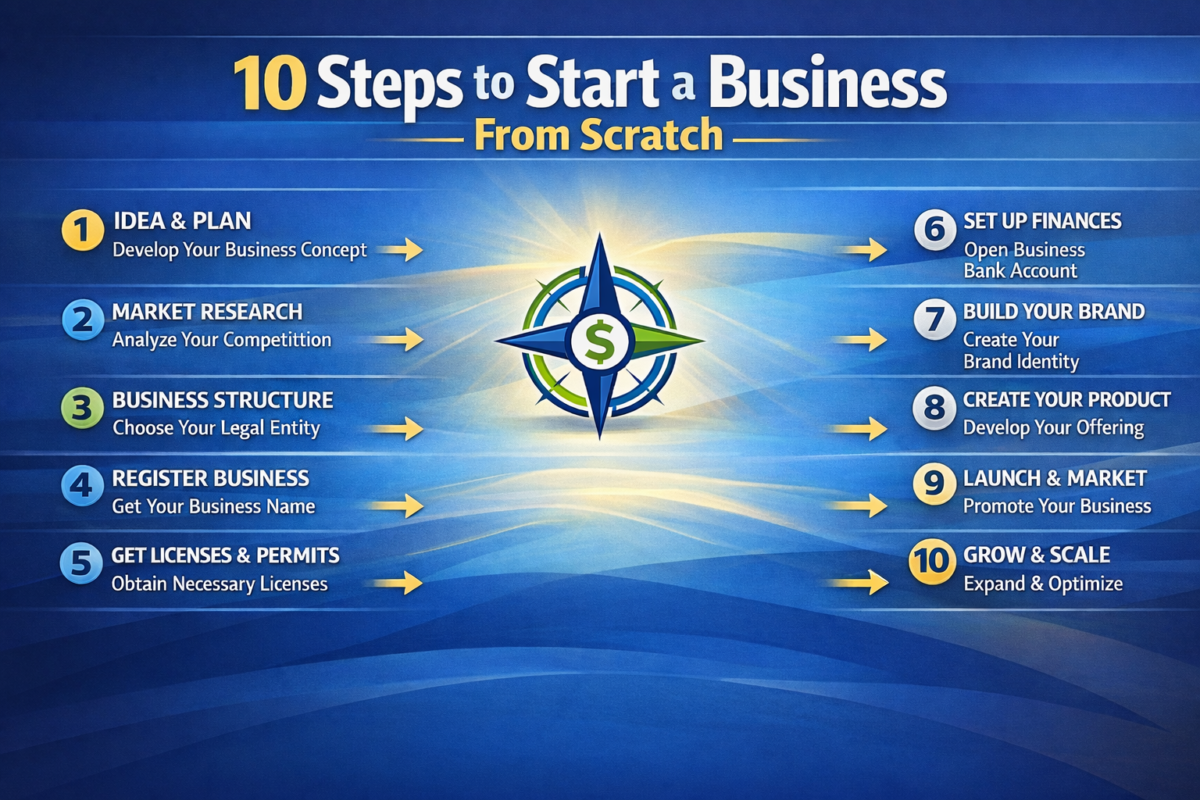
Step 1: Know Your Numbers First
Before you optimize anything, measure it.
Every effective personal finance system starts with a basic financial snapshot:
- Monthly take-home income
- Fixed monthly expenses
- Variable monthly expenses
- Minimum debt payments
- Total savings
- Total debt
- Net worth
If you do not know those numbers, you are operating blind.
Start by reviewing the last 60 to 90 days of bank and credit card transactions. You want to understand your real spending, not your idealized version of it. Many people think they spend “about” one amount on dining, subscriptions, or shopping, then find out the real number is much higher.
Once you have that, calculate your net worth and debt load. If you want a fast starting point, use The Cash Navigator’s Net Worth Calculator and Debt-to-Income Ratio Calculator.
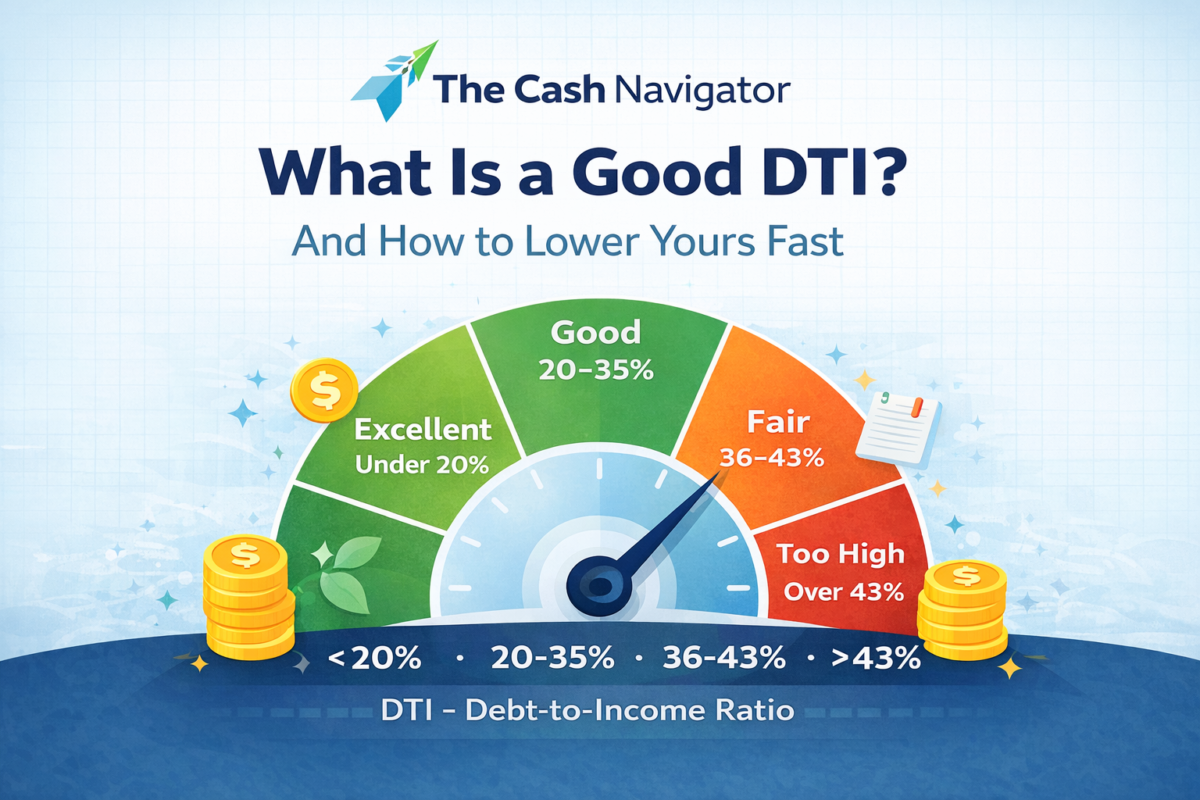
Your debt-to-income ratio matters because it shows how much of your gross monthly income is already committed to debt. If your ratio is too high, your personal finance system will feel tight until that pressure comes down. For a deeper breakdown, read What Is a Good DTI? (And How to Lower Yours Fast).
Step 2: Build a Simple Budget That Actually Works
A budget is not punishment. It is the command center of your personal finance system.
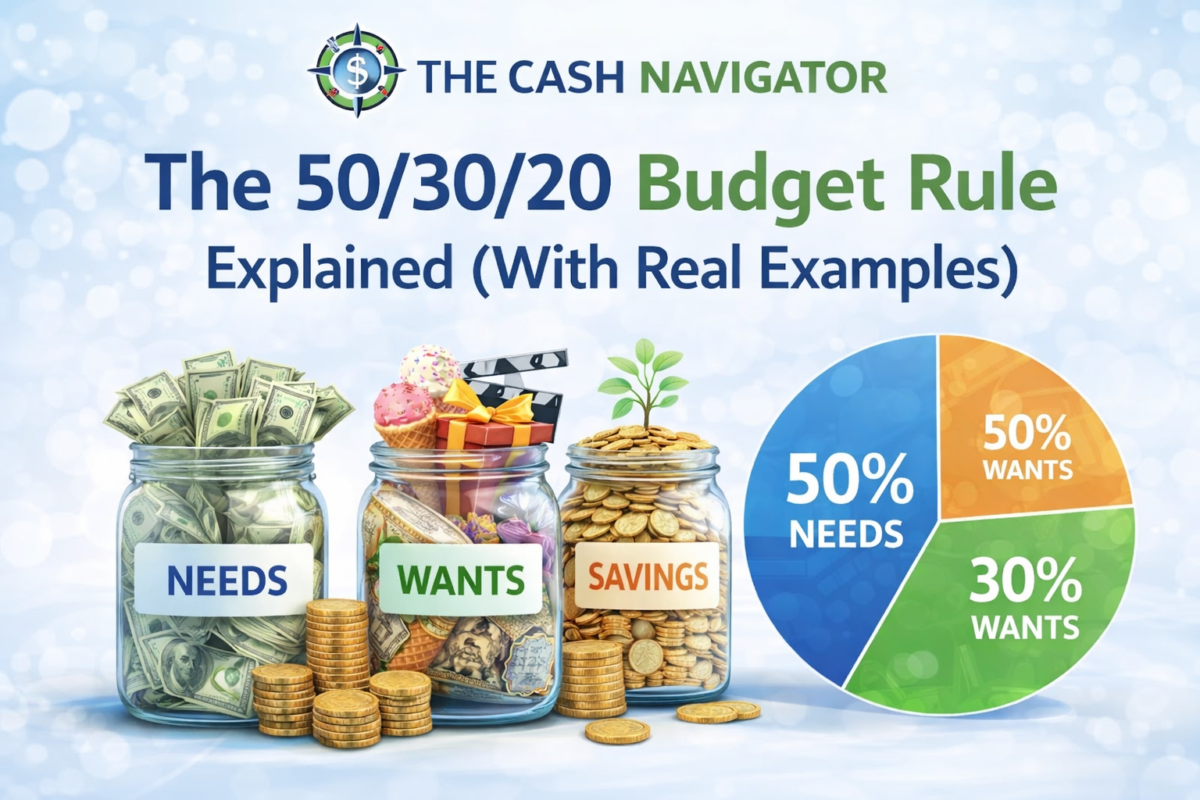
You do not need a complicated method to get started. For most people, a simple percentage-based framework works well because it is easy to repeat. One of the most popular approaches is the 50/30/20 rule, which divides after-tax income into needs, wants, and savings or debt repayment.
On your own site, this is a strong internal link opportunity:
Your budget should do three things:
- Cover necessities first
- Force intentional decisions on lifestyle spending
- Create room for savings and debt reduction
That is it.
A strong personal finance system does not require perfection. It requires consistency. If your spending categories are too detailed, you will quit. If your categories are too vague, you will drift. Keep it simple enough to maintain.
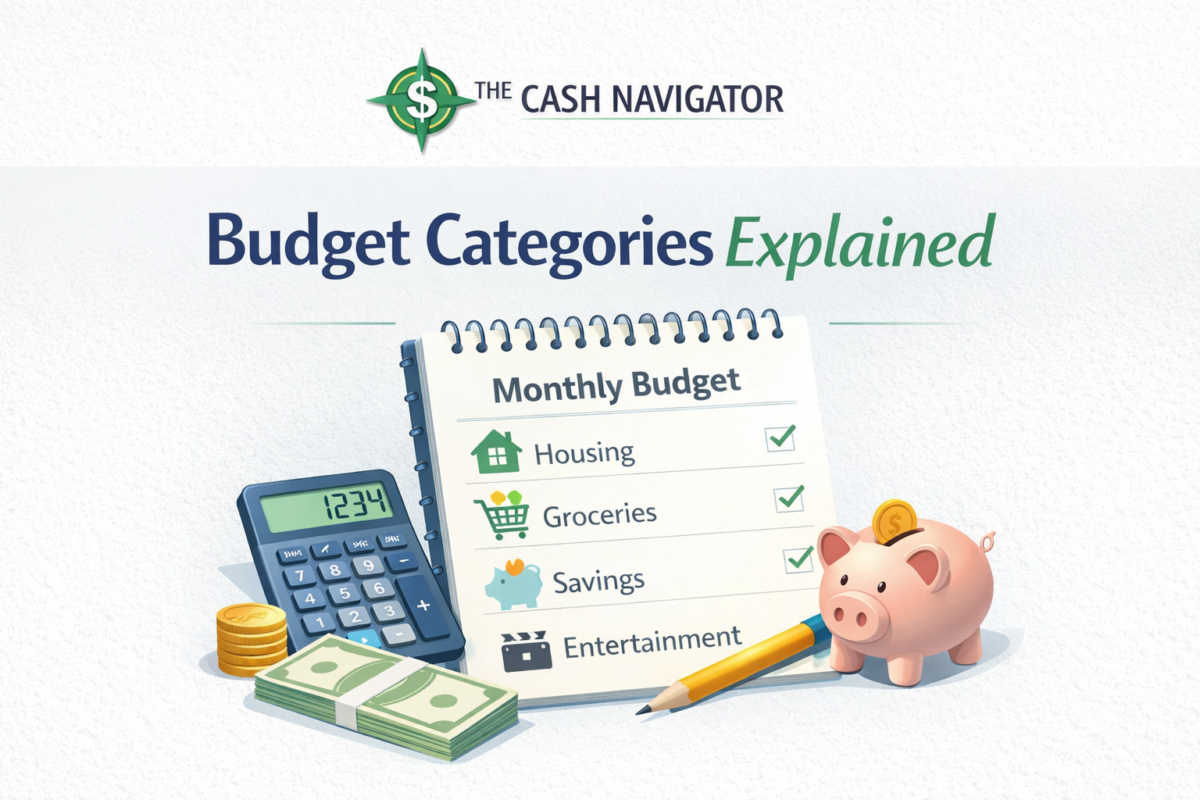
A good beginner budget can include:
- Housing
- Utilities
- Groceries
- Transportation
- Insurance
- Debt payments
- Savings
- Personal spending
- Entertainment
- Miscellaneous
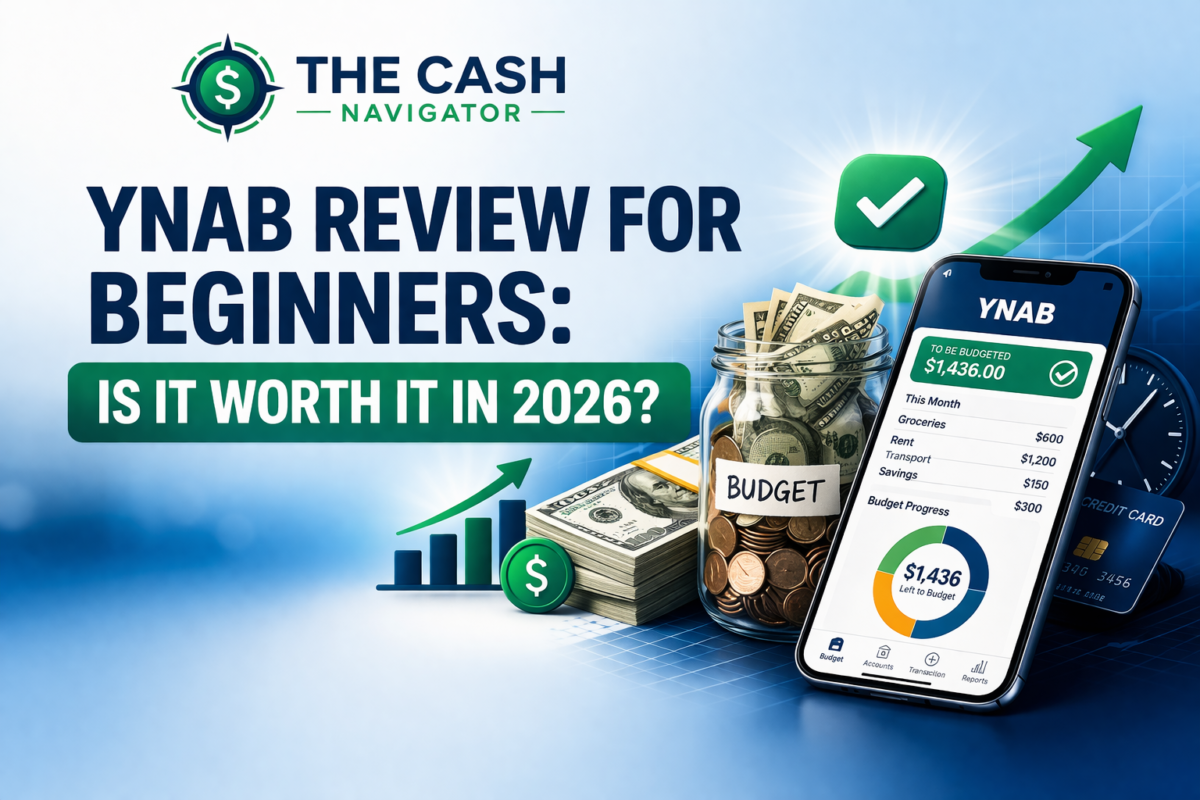
If you prefer app-based tracking, you can also point readers to Best Budgeting Apps in 2026.
Step 3: Stop the Bleeding With a Starter Emergency Fund
You cannot build a stable personal finance system without cash reserves.
One surprise expense can destroy a good month and send you back to credit cards. That is why your first savings goal should not be a luxury investment account. It should be liquidity.
If you are living paycheck to paycheck, start with a smaller target and build upward:
- $500
- Then $1,000
- Then one month of essential expenses
- Then three to six months over time
You can support this section with both internal and external links. Helpful internal links include:
- How Much Emergency Fund Should You Have?
- How to Save Your First $1,000
- How to Save $5,000 in One Year
This step is critical because a personal finance system only works if unexpected problems do not force you to restart every month.
Step 4: Attack High-Interest Debt Strategically
Debt is one of the biggest reasons a personal finance system breaks down. High-interest balances absorb cash flow, increase stress, and make progress feel slow.
If you have credit card debt, personal loans, or other high-interest balances, do not just pay randomly. Use a method.
Two common payoff strategies are:
Debt avalanche: Pay minimums on all balances, then put every extra dollar toward the highest interest rate first.
Debt snowball: Pay minimums on all balances, then put every extra dollar toward the smallest balance first for quicker wins.
Mathematically, avalanche often saves more money. Behaviorally, snowball can be more motivating. The best choice is the one you will actually sustain.
Your personal finance system should include the exact order of debts, the monthly extra payment amount, a target payoff date, and clear rules for avoiding new revolving debt.
Relevant internal link: How to Get Out of Debt Fast.
If your budget is already extremely tight, pair debt payoff with income expansion, not just expense cutting.
Step 5: Automate Saving and Investing
Automation is where a good personal finance system becomes durable.
Manual money management depends on motivation. Automation depends on setup.
That is a major difference.
Once your budget and emergency fund are underway, automate the following:
- Transfers to savings after each paycheck
- Retirement contributions
- Brokerage contributions
- Debt payments
- Bill payments
- Sinking funds for irregular expenses
This prevents the classic mistake of waiting to “see what is left” at the end of the month. Usually, nothing is left.
A strong personal finance system pays your future self first.
This is also where long-term compounding starts to matter. Even modest contributions can grow meaningfully over time. Internal links that fit naturally here include the 401(k) Calculator and Compound Interest Calculator.
Step 6: Build Income Into Your System
A complete personal finance system is not just about cutting expenses. It is also about increasing capacity.
There is a limit to how much you can trim. There is often more upside in earning more.
That can mean:
- Asking for a raise
- Switching jobs
- Freelancing
- Consulting
- Selling digital products
- Offering a service locally
- Monetizing a skill on evenings or weekends
In many cases, the fastest way to improve a personal finance system is not shaving another $40 from subscriptions. It is adding $300 to $1,000 a month in extra income and directing that money toward debt payoff, emergency savings, or investing.
Relevant internal link: Side Hustles That Actually Make Money.
This matters because income growth creates breathing room. Breathing room creates options. Options make your financial plan far more resilient.
Step 7: Track Net Worth, Not Just Bills
A lot of people think they are managing money because they are paying bills on time. That is not the same as building wealth.
Your personal finance system should track progress through net worth, not just monthly survival.
Net worth is simple:
Assets – Liabilities = Net Worth
Assets may include:
- Checking
- Savings
- Retirement accounts
- Brokerage accounts
- Home equity
- Cash value you actually control
Liabilities may include:
- Credit cards
- Student loans
- Auto loans
- Mortgages
- Personal loans
Why does this matter? Because your real financial direction shows up in the trend. If your net worth is increasing month after month, your personal finance system is working. If it is stagnant or falling despite decent income, something needs adjustment.
Use your Net Worth Calculator monthly or quarterly and keep a simple log.
Step 8: Review Your Money Monthly
The final piece of a successful personal finance system is the monthly review.
This is where most people fall off.
They build a budget once, get motivated for a week, then never check it again. A real system requires recurring review.
Once a month, sit down for 20 to 30 minutes and answer these questions:
- What came in?
- What went out?
- Did I stay within budget?
- Did debt go down?
- Did savings go up?
- Did I automate what I said I would?
- What needs to change next month?
That monthly review is where control comes back.
It also helps you adapt to the real world. Rent changes. Income changes. Insurance changes. Groceries change. Your personal finance system should evolve with your life, not stay frozen in a spreadsheet from six months ago.
A Simple Personal Finance System You Can Start This Week
If all of this feels like a lot, use this stripped-down version:
- List your monthly take-home income
- List all fixed bills and minimum debt payments
- Review the last 60 days of spending
- Build a simple budget
- Save your first $500 to $1,000
- Choose a debt payoff strategy
- Automate savings and bills
- Track net worth once a month
- Review your plan monthly
That is a real personal finance system.
It does not need to look glamorous. It needs to work.
Common Mistakes That Destroy a Personal Finance System
1. Being Too Aggressive Too Early
If your budget is unrealistic, you will rebel against it. Build a system you can sustain.
2. Ignoring Irregular Expenses
Car registration, gifts, annual subscriptions, travel, and home repairs count. Plan for them.
3. Investing Before Building Basic Stability
Long-term investing matters, but not if every surprise expense sends you into more debt.
4. Having No Automation
A personal finance system that depends on memory is fragile.
5. Not Reviewing Progress
Systems drift without attention.
Final Thoughts: Build a System, Then Let Time Help You
The truth is simple: most financial stress comes from disorganization, not just low income.
A strong personal finance system gives every dollar a role. It helps you handle rising costs, reduce financial anxiety, and make smarter decisions without constantly starting over.
You do not need to fix your entire financial life in one weekend. You need to build a repeatable process that gets a little stronger each month.
Start with clarity. Build a budget. Save a starter emergency fund. Pay off high-interest debt. Automate what matters. Review your numbers monthly.
That is how a real personal finance system is built.
And once it is in place, money starts feeling less chaotic and more controllable.
Helpful Resources
Internal resources on The Cash Navigator:
- The 50/30/20 Budget Rule Explained
- Live Happy Using the 50/30/20 Budget Rule
- What Is a Good DTI?
- How to Get Out of Debt Fast
- How Much Emergency Fund Should You Have?
- How to Save Your First $1,000
- How to Save $5,000 in One Year
- Best Budgeting Apps in 2026
- Side Hustles That Actually Make Money
- Debt-to-Income Ratio Calculator
- 401(k) Calculator
- Compound Interest Calculator
- Net Worth Calculator
External reference sites:

