Building credit from scratch is a chicken-and-egg problem: lenders want a credit history before they'll give you credit. The solution is to start with products designed for people with no credit — then graduate to better products as your score climbs. With the right sequence, you can reach a 700+ credit score within 12 months starting from zero.
Secured Credit Cards 101: A Secret To Building & Rebuilding Credit | NerdWallet
Source: NerdWallet
How Credit Scores Actually Work
Your FICO score — the one most lenders use — is calculated from five factors:
| Factor | Weight | What It Measures |
|---|---|---|
| Payment history | 35% | Do you pay on time? |
| Credit utilization | 30% | How much of your available credit are you using? |
| Length of credit history | 15% | How old are your accounts? |
| Credit mix | 10% | Do you have both revolving and installment accounts? |
| New credit | 10% | How many recent hard inquiries? |
When you're starting from zero, your strategy is simple: open accounts that report to all three bureaus, pay on time every month, and keep utilization below 10%. That's 65% of your score right there.
Step 1: Open a Secured Credit Card
A secured credit card requires a cash deposit (typically $200–$500) that becomes your credit limit. The card reports to all three credit bureaus exactly like a regular credit card — the deposit is just collateral for the issuer.
Best secured cards for credit building
- Discover it Secured — earns cash back, no annual fee, automatic review for upgrade to unsecured after 7 months
- Capital One Platinum Secured — low deposit requirement ($49–$200), automatic credit line reviews
- Chime Credit Builder — no minimum deposit, no interest, no annual fee (requires Chime checking account)
How to use it correctly
- Charge one small recurring expense (Netflix, a gas fill-up) each month
- Pay the full balance before the due date every month
- Keep your balance below 10% of your credit limit at all times
- Never miss a payment — one 30-day late payment can drop a new score by 60–110 points
Step 2: Add a Credit-Builder Loan
A credit-builder loan is a small installment loan (typically $300–$1,000) where the money is held in a savings account while you make monthly payments. When the loan is paid off, you receive the funds. The primary purpose is credit building, not borrowing.
This adds an installment account to your credit mix — which improves your score because FICO rewards having both revolving (credit cards) and installment (loans) accounts.
Good options: Self Financial, Credit Strong, local credit unions. Monthly payments are typically $25–$50.
Step 3: Become an Authorized User
Ask a family member or close friend with good credit (700+ score, low utilization, long account history) to add you as an authorized user on their credit card. You don't need to use the card — just being listed adds their account history to your credit report.
This is one of the fastest ways to build credit history because you inherit the account's age and payment history. A single authorized user account can add 20–50 points to a thin credit file.
Important: Only do this with someone who pays on time and keeps low balances. Their bad habits become your bad credit history.
Step 4: Graduate to Unsecured Credit
After 6–12 months of on-time payments and low utilization, you'll typically qualify for an unsecured credit card. Most secured card issuers will automatically review your account and offer an upgrade — or return your deposit and convert the account.
At this stage, your score should be in the 650–720 range. You can now apply for cards with real rewards and better terms. See our guide to best credit cards for beginners for the top options at this stage.
The Habits That Build Score Fast
- Pay before the statement closes, not just before the due date. Your utilization is reported on the statement date. Paying early keeps reported utilization near zero.
- Never close old accounts. Account age matters. Keep your first secured card open even after you upgrade.
- Don't apply for multiple cards at once. Each hard inquiry drops your score 5–10 points. Space applications 6+ months apart.
- Monitor your credit for free. Use Credit Karma or your bank's free credit monitoring to catch errors. Dispute any inaccurate negative items with the bureau directly.
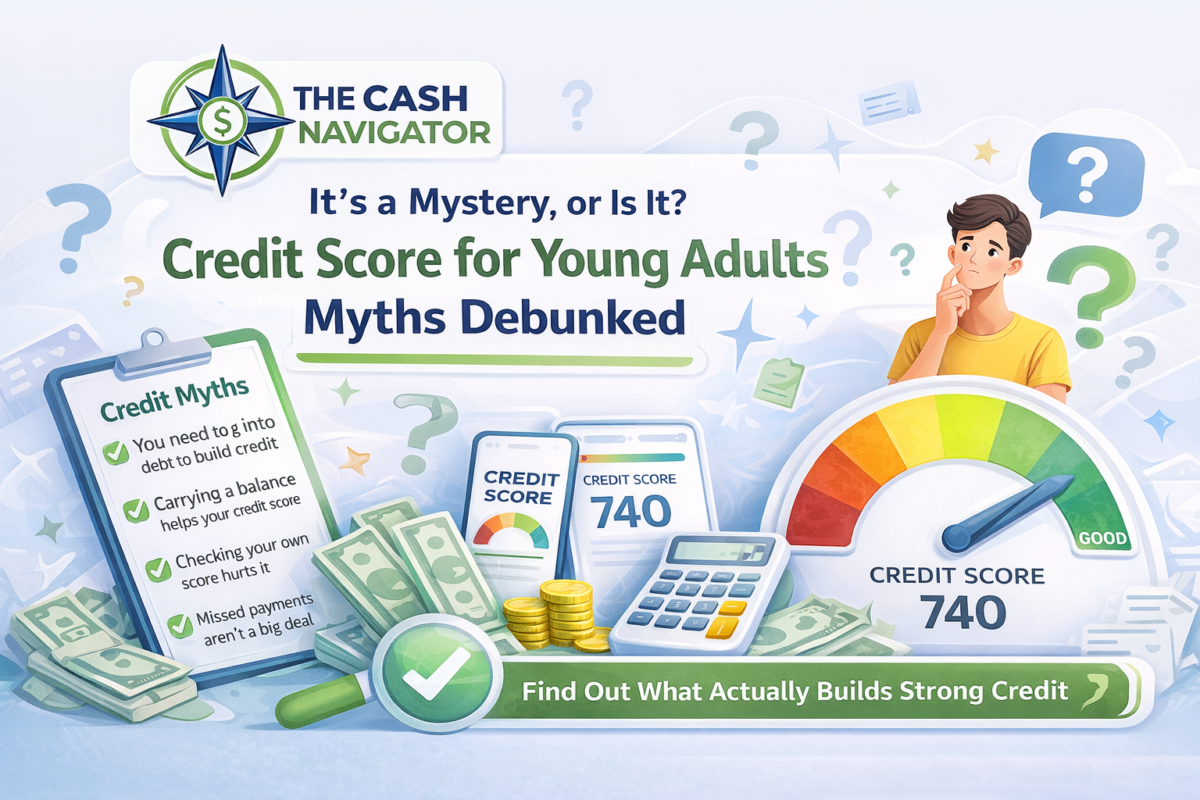
Also review our breakdown of 9 credit score myths debunked — several common beliefs actively hurt your score.
FAQ
How long does it take to build credit from nothing?
You'll have a scoreable credit file within 3–6 months of opening your first account. A 700+ score is achievable within 12 months with consistent on-time payments and low utilization.
Does checking my own credit score hurt it?
No. Checking your own score is a "soft inquiry" and has zero impact. Only hard inquiries (when a lender checks your credit for a loan or card application) affect your score.
What's the fastest way to build credit?
Combine a secured card, a credit-builder loan, and authorized user status simultaneously. This gives you payment history, credit mix, and account age working in parallel.
Can I build credit without a credit card?
Yes — credit-builder loans, rent reporting services (Experian RentBureau, Rental Kharma), and utility reporting can all build credit without a card. But a secured card is still the most efficient tool.
What credit score do I need to rent an apartment?
Most landlords want a score of 620+. Some accept 580+ with a larger deposit. Building to 650+ within 6–9 months is achievable and opens most rental markets.
Building credit from scratch takes patience, but the process is straightforward: open the right accounts, pay on time, keep balances low, and let time work in your favor. The habits you build now — consistent payments, low utilization, no unnecessary applications — are the same habits that maintain an 800+ score for decades.