Your first credit card is a credit-building tool, not a spending tool. The goal is to establish a positive payment history, keep utilization low, and graduate to better cards in 12–18 months. The best beginner cards have no annual fee, report to all three credit bureaus, and ideally earn some rewards.
Secured Credit Cards 101: A Secret To Building & Rebuilding Credit | NerdWallet
Source: NerdWallet
What to Look For in a Beginner Credit Card
- No annual fee: Don't pay to build credit
- Reports to all three bureaus: Equifax, Experian, TransUnion
- Automatic credit limit reviews: Issuers that review and increase limits reward good behavior
- Path to upgrade: Can you graduate to an unsecured card or a better rewards card?
- Low or no foreign transaction fee: If you travel
Best Cards for No Credit History
Discover it Secured — Best Overall for No Credit
- $200 minimum deposit (becomes your credit limit)
- 2% cash back at gas stations and restaurants (up to $1,000/quarter); 1% everywhere else
- No annual fee
- Automatic review for upgrade to unsecured card after 7 months
- Discover matches all cash back earned in the first year
- Reports to all three bureaus
The Discover it Secured is the best secured card available — it earns real rewards while building credit, and the automatic upgrade path means you're not stuck with a secured card forever.
Capital One Platinum Secured
- $49, $99, or $200 deposit (based on creditworthiness)
- No annual fee
- Automatic credit line reviews after 6 months
- No rewards, but lower deposit requirement than most secured cards
Chime Credit Builder
- No minimum deposit (uses your Chime spending account balance)
- No annual fee, no interest
- No credit check to apply
- Requires a Chime checking account
- No rewards
Best Cards for Fair Credit (580–669)
Capital One Quicksilver Secured
- 1.5% cash back on all purchases
- No annual fee
- $200 minimum deposit
- Automatic upgrade consideration after 6 months
Petal 2 Visa
- 1–1.5% cash back (increases with on-time payments)
- No annual fee, no fees of any kind
- Uses cash flow underwriting — considers bank account history, not just credit score
- Good for people with thin credit files
Best Cards for Good Credit (670+)
If you've built your score to 670+ through a secured card or authorized user status, you can now qualify for unsecured cards with better rewards.
Chase Freedom Unlimited — Best First Rewards Card
- 1.5% cash back on all purchases; 3% on dining and drugstores; 5% on travel through Chase
- No annual fee
- $200 sign-up bonus after $500 spend in first 3 months
- 0% APR for 15 months on purchases and balance transfers
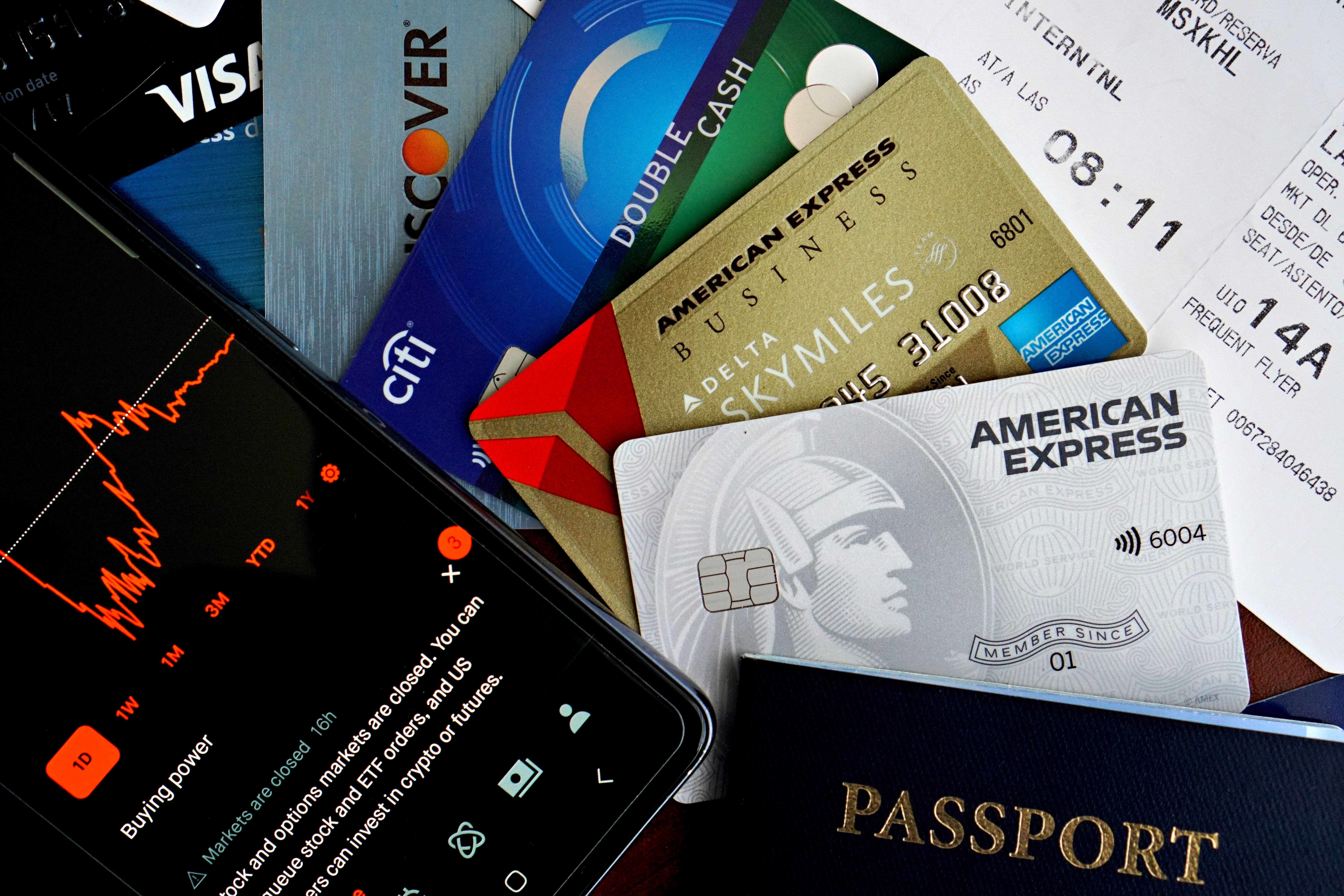
Citi Double Cash
- 2% cash back on everything (1% when you buy, 1% when you pay)
- No annual fee
- Simple, flat-rate rewards — no categories to track
How to Use Your First Card Correctly
- Charge one small recurring expense (streaming service, gas) — not your full spending
- Pay the full balance every month — never carry a balance
- Keep utilization below 10% — if your limit is $500, keep your balance below $50
- Set up autopay for at least the minimum — never miss a payment
- Don't apply for more cards for 6–12 months — let your score build
For more on building credit strategically, see our guide on how to build credit from scratch.
FAQ
What credit score do I need for my first credit card?
Secured cards and student cards are available with no credit history. For unsecured cards with rewards, you typically need a 670+ score. The Petal 2 and some Capital One cards approve applicants with scores as low as 580.
Should I get a secured or unsecured card first?
If you have no credit history, start with a secured card (Discover it Secured is the best option). If you have fair credit (580–669), try an unsecured card for fair credit first — you may not need the deposit.
How many credit cards should a beginner have?
Start with one. Master the habits (pay in full, keep utilization low) before adding a second card. After 12–18 months of perfect payment history, consider adding a second card for rewards optimization.
Does applying for a credit card hurt my score?
Yes — each application causes a hard inquiry that drops your score 5–10 points temporarily. The impact fades within 6–12 months. Apply only when you're confident you'll be approved.
Your first credit card is a stepping stone, not a destination. Use it to build a 12–18 month track record of on-time payments and low utilization, then upgrade to a card with better rewards. The Discover it Secured is the best starting point for most people — it earns real cash back while building credit, and the upgrade path is automatic.