A good credit score is 670–739 on the FICO scale. A very good score is 740–799. Exceptional is 800+. But the number that matters most isn't a label — it's the interest rate you qualify for. A 760 vs. a 680 on a $300,000 mortgage can mean $40,000+ in extra interest over 30 years.
The BEST Credit Card For Improving Your Credit 2026
Source: NerdWallet
Credit Score Ranges Explained
FICO scores range from 300 to 850. Here's what each range means in practice:
| Score Range | Category | % of Americans | What It Means |
|---|---|---|---|
| 800–850 | Exceptional | ~23% | Best rates on everything; rarely denied |
| 740–799 | Very Good | ~25% | Near-best rates; approved for most products |
| 670–739 | Good | ~21% | Approved for most loans; rates slightly above best |
| 580–669 | Fair | ~17% | Approved with higher rates; limited card options |
| 300–579 | Poor | ~16% | Difficult to get approved; subprime rates |
VantageScore (used by Credit Karma and some lenders) uses the same 300–850 range but with slightly different category thresholds. Most major lenders use FICO.
How Your Score Affects Your Rates
The real cost of a lower credit score isn't the score itself — it's the interest rate premium you pay on every loan.
Mortgage rates by credit score (30-year fixed, 2026)
| FICO Score | APR | Monthly Payment ($300K loan) | Total Interest (30 yr) |
|---|---|---|---|
| 760–850 | 6.82% | $1,963 | $406,680 |
| 700–759 | 7.04% | $2,007 | $422,520 |
| 680–699 | 7.21% | $2,041 | $434,760 |
| 660–679 | 7.43% | $2,086 | $451,160 |
| 640–659 | 7.87% | $2,177 | $483,720 |
| 620–639 | 8.43% | $2,292 | $524,920 |
The difference between a 760 and a 620 score on a $300,000 mortgage: $118,240 in extra interest over 30 years. That's a real cost of a low credit score.
Auto loan rates by credit score
| FICO Score | Average APR (new car) | Monthly Payment ($30K, 60 mo) |
|---|---|---|
| 720+ | 5.38% | $572 |
| 690–719 | 6.89% | $591 |
| 660–689 | 9.01% | $623 |
| 620–659 | 12.28% | $673 |
| 580–619 | 16.85% | $741 |
How to Improve Your Credit Score
The five FICO factors and the fastest levers for each:
Payment history (35%) — the most important factor
Set up autopay for at least the minimum on every account. One 30-day late payment can drop a good score by 60–110 points. If you have a late payment, it stays on your report for 7 years — but its impact fades significantly after 2 years of on-time payments.
Credit utilization (30%) — the fastest lever
Keep your total utilization below 10% for the best scores. Pay your balance before the statement closing date (not just the due date) to report near-zero utilization. Requesting a credit limit increase also lowers utilization without changing your balance.
Length of history (15%) — time is the only fix
Don't close old accounts. The age of your oldest account and the average age of all accounts both matter. A 10-year-old card you never use is still helping your score.
Credit mix (10%) — diversify account types
Having both revolving accounts (credit cards) and installment accounts (auto loans, personal loans, mortgages) improves your score. A credit-builder loan is a low-cost way to add an installment account.
New credit (10%) — apply sparingly
Each hard inquiry drops your score 5–10 points and stays on your report for 2 years. Space credit applications at least 6 months apart. Rate shopping for mortgages and auto loans within a 14–45 day window counts as a single inquiry.
Score Myths That Cost You Money
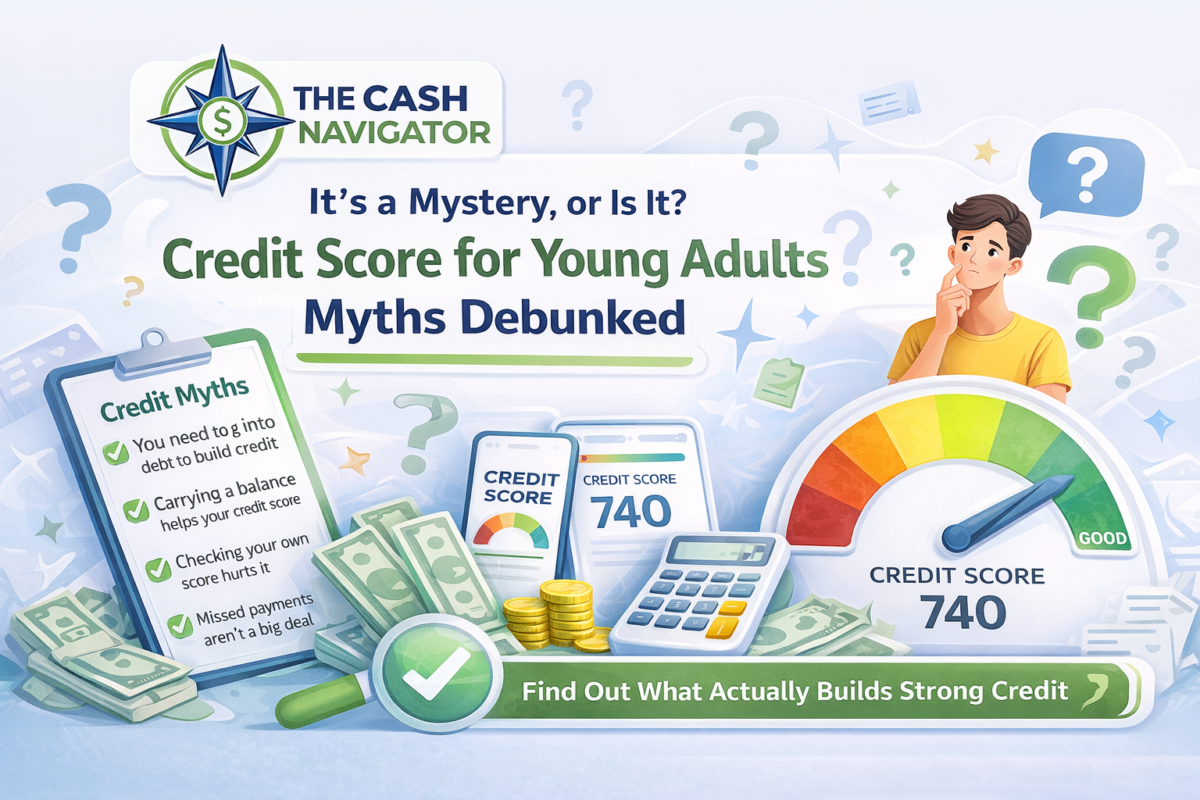
- Myth: Carrying a balance improves your score. False. Paying in full every month is better than carrying a balance. Utilization is measured at the statement date, not whether you carry a balance.
- Myth: Closing a card you don't use helps your score. False. Closing a card reduces your available credit (raising utilization) and can lower your average account age.
- Myth: Checking your own credit hurts your score. False. Soft inquiries (checking your own score) have zero impact. Only hard inquiries from lenders affect your score.
- Myth: Income affects your credit score. False. Income is not a factor in FICO or VantageScore calculations. A high earner with late payments has a lower score than a low earner with perfect payment history.
For more debunked myths, see our full guide: 9 credit score myths debunked.
FAQ
What credit score do I need to buy a house?
Conventional loans typically require 620+. FHA loans accept 580+ (with 3.5% down) or 500–579 (with 10% down). For the best mortgage rates, aim for 740+.
How fast can I raise my credit score 100 points?
If your score is being dragged down by high utilization, paying down balances can raise your score 50–100 points within one billing cycle. If the issue is payment history, improvement takes 12–24 months of consistent on-time payments.
What's the difference between FICO and VantageScore?
Both use a 300–850 scale but weight factors differently. FICO is used by 90% of top lenders. VantageScore is used by Credit Karma and some banks for monitoring. Your VantageScore and FICO score will be similar but rarely identical.
Does getting married affect my credit score?
No. Marriage doesn't merge credit files. Each spouse maintains their own credit history. Joint accounts (like a mortgage) appear on both reports, but individual accounts remain separate.
A good credit score is a financial tool — it lowers the cost of borrowing on everything from a car to a home. The path to 740+ is straightforward: pay on time, keep utilization low, don't close old accounts, and be patient. The habits that build a great score are the same habits that keep it there.