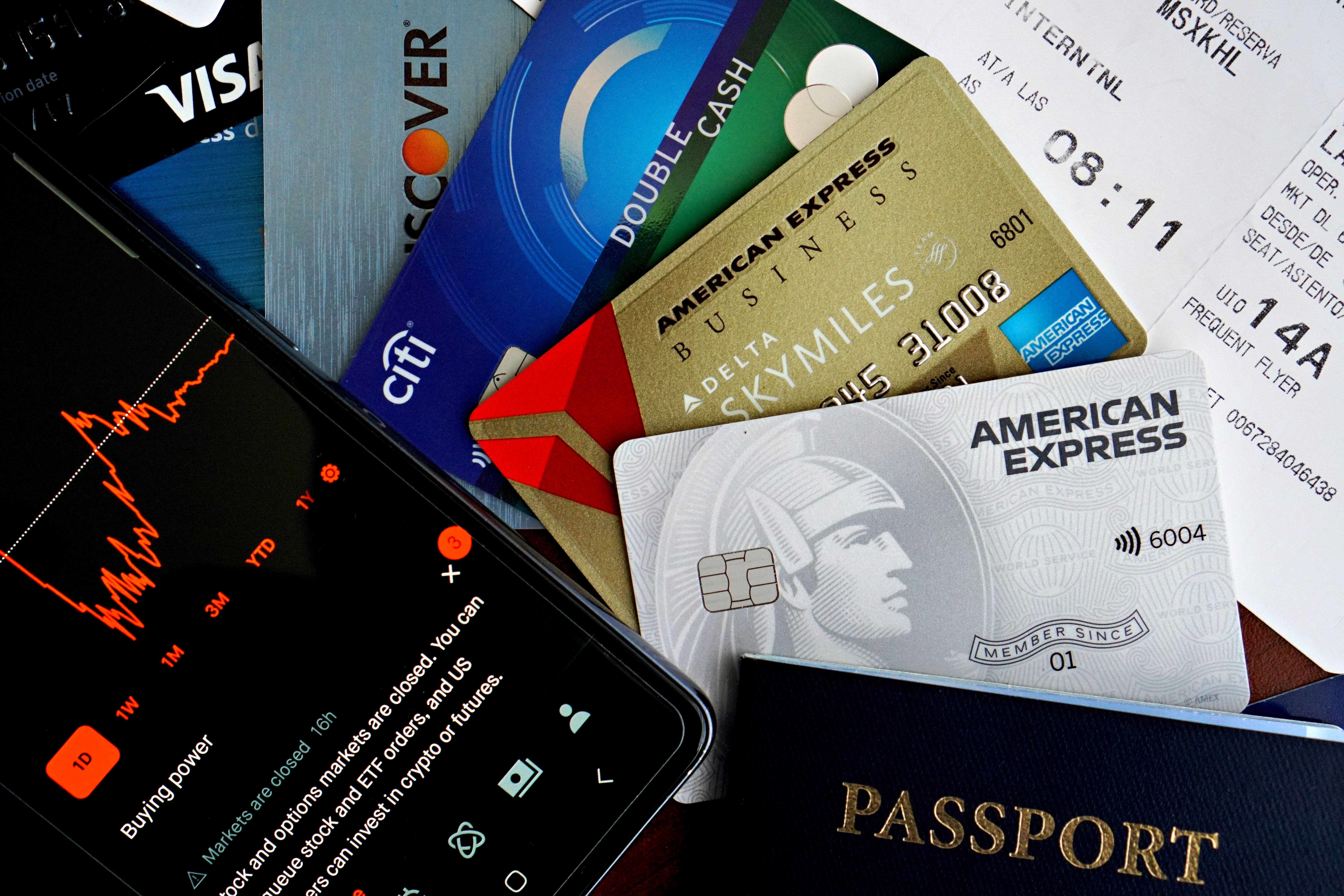
There are over 4,000 credit cards available in the United States. Most people pick one based on a TV ad or a bank branch offer — and end up with a card that doesn't match their spending or charges fees they don't need to pay. Here's how to choose the right card systematically.
The BEST Credit Card For Improving Your Credit 2026
Source: NerdWallet
Step 1: Know Your Credit Score
Your credit score determines which cards you can realistically get approved for. Applying for a card you don't qualify for wastes a hard inquiry and drops your score 5–10 points.
| Score Range | Rating | Cards Available |
|---|---|---|
| 300–579 | Poor | Secured cards, credit-builder cards |
| 580–669 | Fair | Some unsecured cards, student cards |
| 670–739 | Good | Most rewards cards, no-annual-fee cards |
| 740–799 | Very Good | Premium rewards cards, travel cards |
| 800+ | Exceptional | All cards, best approval odds and terms |
Check your score for free at Credit Karma, Experian, or through your existing bank. For more on credit scores, see our guide on what is a good credit score.
Step 2: Define Your Primary Goal
What do you want this card to do for you?
- Build credit: You have no credit or poor credit and need to establish a positive history → secured card or credit-builder card
- Earn cash back: You want simple rewards with no complexity → flat-rate or category cash back card
- Earn travel rewards: You fly regularly and want free flights or hotel stays → travel rewards card
- Pay off existing debt: You have high-interest credit card debt → 0% APR balance transfer card
- Finance a large purchase: You need to spread a big expense over time → 0% APR purchase card
- Business expenses: You have business spending to separate and earn rewards on → business credit card
Pick one primary goal. Trying to optimize for everything usually means optimizing for nothing.
Step 3: Analyze Your Spending
If your goal is rewards, your spending patterns determine which card earns the most. Look at 3 months of bank and credit card statements and categorize your spending:
- Groceries
- Gas / transportation
- Dining / restaurants
- Travel (flights, hotels)
- Online shopping
- Streaming / subscriptions
- Everything else
If most of your spending is in one or two categories, a category rewards card (like 3–5% on groceries) will outperform a flat-rate card. If your spending is spread across many categories, a flat 2% card like the Citi Double Cash is simpler and often earns more overall.
Step 4: Evaluate the Key Terms
Before applying, understand these five numbers:
- Annual fee: Is the rewards value worth more than the fee? A $95 annual fee card needs to earn you at least $95 in rewards to break even
- APR: Only matters if you carry a balance. If you pay in full every month, APR is irrelevant. If you might carry a balance, prioritize a low APR
- Sign-up bonus: What do you need to spend to earn it, and is that realistic for you?
- Rewards rate: What percentage do you earn, and on which categories?
- Foreign transaction fee: If you travel internationally, avoid cards with 3% foreign transaction fees
Step 5: Match Card to Goal
Building Credit (Score Under 670)
Best option: Discover it Secured — earns real rewards, automatic upgrade path, no annual fee. See our full guide on how to build credit from scratch.
Simple Cash Back (Score 670+)
Best options: Citi Double Cash (2% on everything, no annual fee) or Wells Fargo Active Cash (2% flat, $200 sign-up bonus). See our best cash back cards guide.
Travel Rewards (Score 700+)
Best options: Chase Sapphire Preferred ($95 annual fee, flexible points) or Capital One Venture (2x miles on everything). See our travel credit cards guide.
Paying Off Debt
Best options: Citi Simplicity (0% APR for 21 months, no late fees) or Wells Fargo Reflect (0% APR for up to 21 months). See our balance transfer guide.
Maximizing Rewards (Score 740+)
Consider a two-card strategy: a flat-rate card for everyday spending plus a category card for your highest-spend categories. See our rewards maximization guide.
Red Flags to Avoid
- Annual fees over $95 for beginners: Premium cards ($495–$695 annual fee) require significant spending to justify the cost
- Deferred interest promotions: "No interest if paid in full" — if you don't pay the full balance by the end of the promo period, you're charged interest on the entire original amount retroactively
- Rewards that expire: Some store cards have points that expire if you don't use them within 12 months
- High cash advance APR: Cash advances typically have no grace period and charge 25–30% APR from day one — never use a credit card for cash advances
- Applying for multiple cards at once: Each application is a hard inquiry. Space applications at least 6 months apart
FAQ
How many credit cards should I have?
Most people do well with 2–3 cards: one for everyday spending, one for a specific high-reward category, and optionally one for travel. More than 3–4 cards becomes difficult to manage and increases the risk of missed payments.
Should I get a card with an annual fee?
Only if the rewards and benefits exceed the fee. A $95 annual fee card that earns $300 in rewards is worth it. A $95 annual fee card that earns $80 in rewards is not. Do the math based on your actual spending before applying.
What's the best credit card for someone with no credit?
The Discover it Secured is the best starting point — it earns real cash back, has no annual fee, and automatically reviews you for an upgrade to an unsecured card after 7 months. See our full beginner credit card guide.
How long does it take to get approved for a credit card?
Most online applications receive an instant decision (approved or denied) within 60 seconds. Some applications are flagged for manual review, which can take 7–10 business days. You'll receive the physical card within 7–10 business days after approval.
The right credit card is the one that matches your credit score, spending habits, and financial goals — not the one with the flashiest sign-up bonus. Take 20 minutes to analyze your spending, define your goal, and compare 2–3 options before applying. That research will pay off in rewards and avoided fees for years.