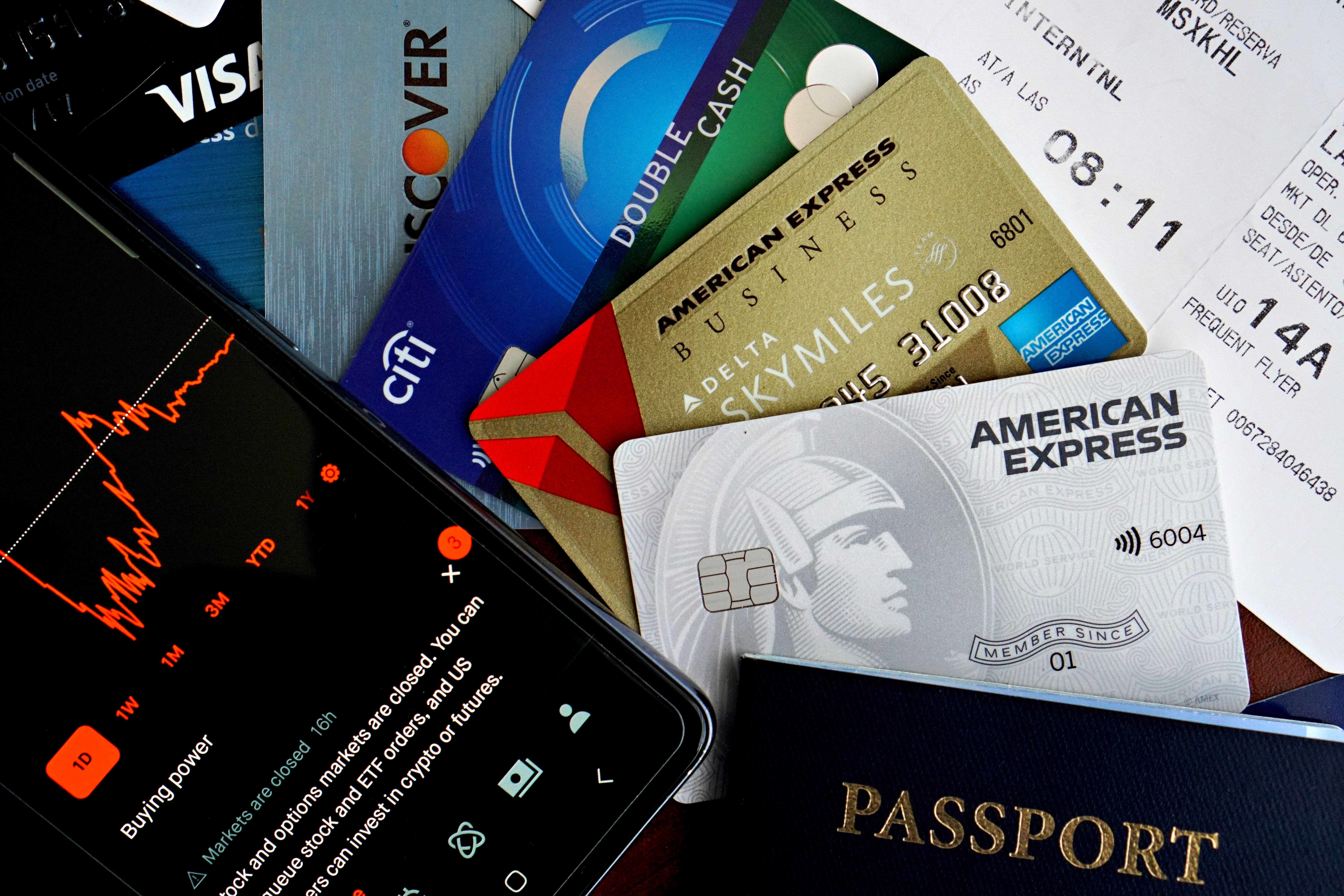
Travel credit cards earn points or miles on everyday spending that can be redeemed for flights, hotels, and travel experiences. The best travel cards offer sign-up bonuses worth $500–$1,000+ in travel value — but the annual fees and complexity require some homework. This guide cuts through the noise.
Chase Sapphire Reserve VS Capital One Venture X | NerdWallet
Source: NerdWallet
Types of Travel Rewards
- Flexible points (Chase Ultimate Rewards, Amex Membership Rewards, Capital One Miles): Transfer to multiple airline and hotel partners, or redeem directly for travel. Most valuable and flexible.
- Airline miles (Delta SkyMiles, United MileagePlus, American AAdvantage): Best value when transferred to partner airlines or used for premium cabin flights. Less flexible.
- Hotel points (Marriott Bonvoy, Hilton Honors, Hyatt): Best value at high-end properties. Can be transferred to airline miles (at poor ratios).
Flexible points are generally the most valuable because you can transfer them to whichever partner offers the best redemption for your specific trip.
Best No-Annual-Fee Travel Cards
Capital One VentureOne
- Annual fee: $0
- Rewards: 1.25× miles on everything; 5× on hotels and rental cars through Capital One Travel
- Sign-up bonus: 20,000 miles after $500 spend in 3 months (~$200 in travel)
- No foreign transaction fees
Bilt Mastercard
- Annual fee: $0
- Unique feature: Earn points on rent payments (up to 100,000 points/year) with no processing fee
- Rewards: 3× on dining; 2× on travel; 1× on rent and everything else
- Transfer partners: American, United, Hyatt, and more
Best Airline Cards
- Delta SkyMiles Gold Amex ($150/year): Free checked bag, priority boarding, 2× on Delta and dining. Best for frequent Delta flyers.
- Southwest Rapid Rewards Plus ($69/year): 2× on Southwest purchases, 3,000 anniversary points. Best for Southwest loyalists chasing the Companion Pass.
- United Explorer ($95/year): Free checked bag, 2× on United and dining, 2 United Club passes/year.
Best Hotel Cards
- World of Hyatt Card ($95/year): Free night certificate annually, 4× at Hyatt properties. Hyatt points are the most valuable hotel currency.
- Hilton Honors Amex Surpass ($150/year): Free weekend night after $15K spend, automatic Gold status, 12× at Hilton properties.
- Marriott Bonvoy Boundless ($95/year): Free night certificate annually (up to 35,000 points), automatic Silver status.
Is a Travel Card Worth It?
A travel card is worth it if:
- You pay your balance in full every month (otherwise interest wipes out rewards)
- You travel at least 1–2 times per year
- You can use the card's credits and benefits to offset the annual fee
- You're willing to learn how to redeem points for maximum value
A travel card is NOT worth it if:
- You carry a balance (interest costs far exceed rewards)
- You rarely travel and can't use the travel credits
- You prefer simplicity over optimization
For most people who don't travel frequently, a cash back card is simpler and equally valuable.
FAQ
How much are credit card points worth?
It varies by card and redemption method. Chase Ultimate Rewards points are worth 1–2¢ each (1.5¢ through Chase Travel, up to 2¢+ when transferred to partners). Amex Membership Rewards: 1–2¢. Airline miles: 1–1.5¢ for economy, 2–4¢ for business class.
Can I use travel points for cash?
Most travel cards allow cash redemption, but at a lower value (typically 0.5–1¢ per point vs. 1.5–2¢ for travel). Redeeming for travel almost always provides better value.
Do travel points expire?
Most points don't expire as long as your account is open and active. Airline miles typically expire after 18–24 months of inactivity. Check your specific program's rules.
Should I get a travel card or cash back card?
If you travel 2+ times per year and will use the benefits, a travel card often provides more value. If you travel rarely or prefer simplicity, cash back is better. Many people have one of each.
Travel credit cards can provide extraordinary value — free flights, hotel stays, and lounge access — but only for people who pay in full, travel regularly, and take the time to understand redemptions. Start with the Chase Sapphire Preferred for the best combination of value and simplicity. Graduate to premium cards when you can fully utilize their benefits.