













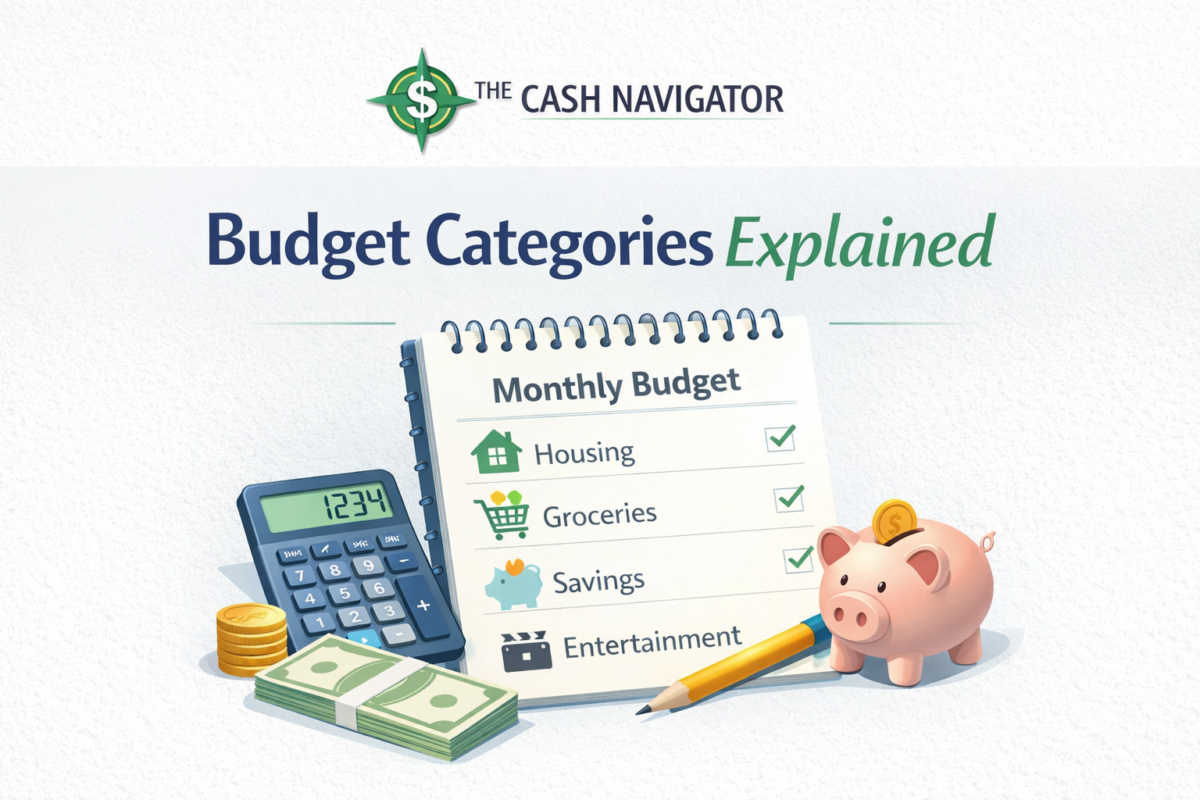

If you are trying to get your finances organized, understanding budget categories is one of the most important places to start. A budget is not just a list of bills. It is a system that helps you see where your money is going, what needs your attention, and where you can improve. When your spending is grouped into clear budget categories, it becomes much easier to control your cash flow, cut waste, and make better monthly decisions.
Many people fail at budgeting not because they lack discipline, but because they do not have a structure. They know money is leaving the account, but they do not know exactly where, how often, or which expenses matter most. That is where strong budget categories come in. They create visibility, and visibility leads to better choices.
In today’s economy, where housing, groceries, insurance, transportation, and debt payments are all competing for the same paycheck, organizing your money properly matters more than ever. This guide breaks down the most important budget categories to include in your monthly budget, how to structure them, and how to use them in a way that actually works in real life.
Why Budget Categories Matter
A budget is much easier to follow when your spending has clear buckets. Instead of seeing a random stream of charges, you start to recognize patterns. Financial guidance from NerdWallet and Forbes both centers budgeting around separating essential expenses, optional spending, and savings goals into usable groups, rather than treating the budget like a giant unorganized list. NerdWallet’s budgeting guide and Forbes Advisor’s budgeting guide both emphasize starting with income, essential monthly expenses, and savings targets. Bloomberg has also described budgeting as a fact-based exercise built around spending categories rather than guesswork. [oai_citation:1‡NerdWallet](https://www.nerdwallet.com/finance/learn/how-to-budget?utm_source=chatgpt.com)
Good budget categories help you:
- see where your money is actually going
- spot overspending faster
- plan for bills and irregular expenses
- separate needs from wants
- save and pay off debt more intentionally
- adjust your budget without starting over each month
If you are new to budgeting, your categories do not need to be perfect. They need to be clear enough to help you make decisions.
The 3 Core Types of Budget Categories
Most monthly budgets work best when they are built around three main types of budget categories:
- Needs — essential expenses you must cover
- Wants — lifestyle and discretionary spending
- Savings and debt — money for future goals and financial stability
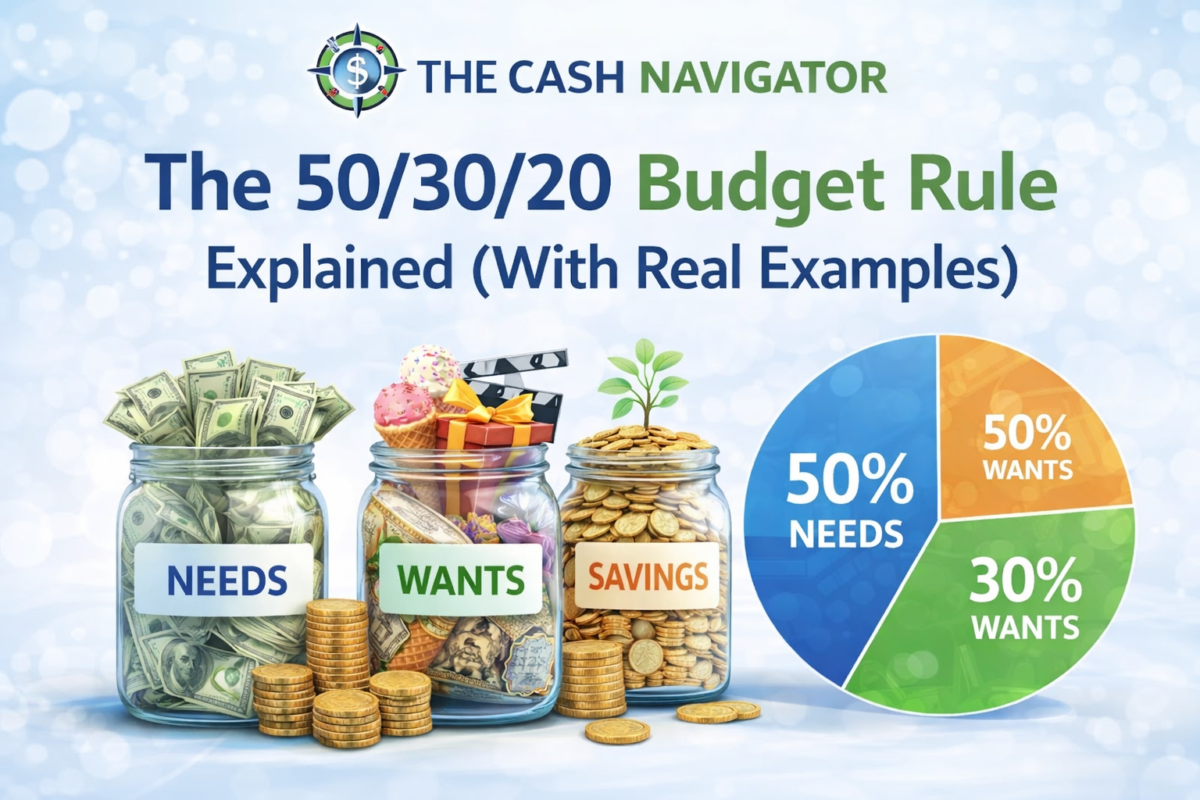
This structure aligns closely with the 50/30/20 budgeting framework, which divides after-tax income into necessities, wants, and savings or debt repayment. That approach is widely used by both NerdWallet and Forbes as a simple starting point for budgeting. NerdWallet’s budget worksheet, NerdWallet’s budget calculator, and Forbes Advisor’s 50/30/20 guide all use that general category logic. [oai_citation:2‡NerdWallet](https://www.nerdwallet.com/finance/learn/budget-worksheet?utm_source=chatgpt.com)
If you want a deeper explanation of that framework, read The 50/30/20 Budget Rule Explained (With Real Examples) and Live Happy Using the 50/30/20 Budget Rule.
Category 1: Housing
Housing is usually the largest of all budget categories. This category should include:
- rent or mortgage
- property taxes if not escrowed
- homeowners or renters insurance
- HOA fees
- basic home maintenance
Housing belongs in your needs category because it is essential. If this number is too high relative to your income, your budget can feel tight even if everything else looks reasonable. Bloomberg has noted that older personal finance rules around housing affordability often need adjustment in a higher-cost environment, which is one reason category-level clarity matters. [oai_citation:3‡Bloomberg](https://www.bloomberg.com/news/articles/2022-09-13/should-i-spend-30-on-housing-personal-finance-rules-need-a-revamp?utm_source=chatgpt.com)
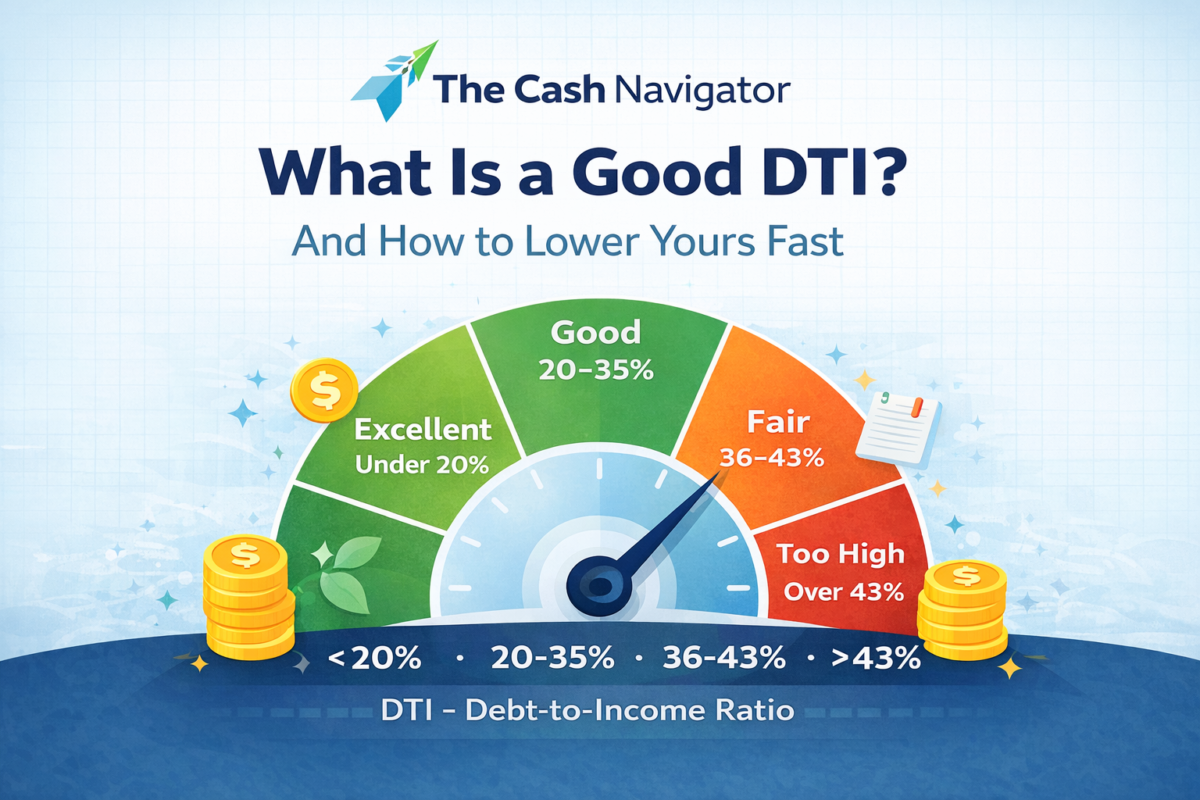
If you are already working on cash-flow organization, this article pairs well with What Is a Good DTI? (Debt-to-Income Ratio, And How to Lower Yours Fast), because housing costs and debt obligations often shape the entire budget.
Category 2: Utilities
Your utilities category covers the services that keep your home functioning. Common utility budget categories include:
- electricity
- water
- gas
- trash
- internet
- cell phone
Some people split phone and internet into a separate communications category. That is fine if you want more detail. For beginners, grouping them under utilities is usually simpler.
Category 3: Groceries
Groceries should be one of your own distinct budget categories, not mixed with dining out. That difference matters. Grocery spending supports your basic household needs. Restaurant spending is usually discretionary.
This category may include:
- food for home
- household basics
- cleaning supplies
- toiletries bought during grocery runs
If grocery inflation or rising living costs are stressing your budget, keep this category visible and separate. That makes it easier to adjust realistically without pretending every food expense is the same.
Category 4: Transportation
Transportation is another essential part of most monthly budget categories. This bucket can include:
- car payment
- gas
- car insurance
- routine maintenance
- repairs
- parking
- public transit
- rideshare costs if used regularly
If your transportation costs are unstable, consider splitting them into fixed and variable subcategories. For example, car payment and insurance are fixed, while gas and repairs are variable.
Category 5: Insurance
Insurance is often overlooked when people build their first budget, but it deserves its own place in your budget categories. This may include:
- health insurance
- auto insurance
- renters or homeowners insurance
- life insurance
- disability insurance
If some policies are deducted from your paycheck, you may not need to budget for them from checking. But you should still account for them when reviewing your overall finances.
Category 6: Debt Payments
Debt should usually have its own line within your budget categories because it affects how much flexibility you have elsewhere. This category can include:
- credit card minimum payments
- student loans
- personal loans
- medical payment plans
- buy now, pay later balances
If you are carrying expensive debt, budget categories become even more important because they help you find cash flow for extra payments. For a deeper payoff strategy, link this article to How to Get Out of Debt Fast (1st Step-by-Step Plan That Actually Works).
Category 7: Savings
Savings should always be included in your budget categories. If you only budget for spending and bills, you are reacting month to month instead of building stability.
This category can include:
- emergency fund contributions
- general savings
- retirement contributions not taken from payroll
- investment contributions
- short-term savings goals
NerdWallet’s budgeting guidance recommends building at least a starter emergency fund of around $500, then growing from there, while Forbes offers budgeting and emergency-fund tools that support setting savings targets alongside monthly expenses. [oai_citation:4‡NerdWallet](https://www.nerdwallet.com/finance/learn/how-to-budget?utm_source=chatgpt.com)
Internal links that fit naturally here include How Much Emergency Fund Should You Have?, How to Save Your First $1,000 (Step-by-Step Beginner’s Guide), and Best High Yield Savings Accounts (2026 Guide).
Category 8: Dining Out
Dining out deserves its own category because it is one of the easiest spending areas to underestimate. When restaurant meals, coffee stops, delivery fees, and convenience spending are mixed into groceries or general spending, it becomes hard to see what is really happening.
This is one of those budget categories that often creates quick wins. You do not need to eliminate it entirely. You just need to know the number.
Category 9: Personal Spending
Personal spending is one of the most flexible budget categories. It may include:
- clothing
- grooming
- haircuts
- cosmetics
- small personal purchases
Some people break this into separate categories. Others keep it in one bucket to reduce complexity. Both approaches can work.
Category 10: Entertainment and Fun Money
If your budget has no room for fun, it often does not last. That is why entertainment should usually be one of your regular budget categories. This can include:
- streaming services
- movies
- concerts
- games
- hobbies
- travel savings for leisure
The goal is not to eliminate all discretionary spending. The goal is to contain it. A budget that allows reasonable enjoyment is usually more sustainable than one built on constant restriction.
Category 11: Subscriptions
Subscriptions can be grouped into entertainment or utilities, but many people benefit from making them their own category. This makes it easier to see how many recurring charges are quietly draining the budget.
Examples include:
- streaming platforms
- music services
- apps
- software subscriptions
- memberships
This is one of the easiest budget categories to audit and cut.
Category 12: Kids, Pets, or Family Support
Not every budget needs this category, but many do. Depending on your household, separate budget categories may be needed for:
- childcare
- school costs
- activities
- pet food and vet care
- support for parents or relatives
These costs are too meaningful to bury inside general spending. If they are part of your real life, they should be visible.
Category 13: Sinking Funds
Sinking funds are one of the most overlooked budget categories, but they are one of the smartest. A sinking fund is money you set aside gradually for expected future costs.
Examples include:
- car repairs
- holiday spending
- annual insurance premiums
- travel
- gifts
- home maintenance
- back-to-school shopping
Without sinking funds, these predictable costs tend to feel like emergencies when they arrive. With them, your budget becomes much smoother.
How Many Budget Categories Should You Have?
There is no perfect number of budget categories. Beginners usually do best with enough categories to create clarity, but not so many that tracking becomes annoying. Around 10 to 15 categories is usually plenty for most households.
NerdWallet and Forbes both lean toward simplified structures first, then more detail only if it helps the user stay organized. [oai_citation:5‡NerdWallet](https://www.nerdwallet.com/finance/learn/how-to-budget?utm_source=chatgpt.com)
If you prefer a simpler setup, you can group spending like this:
- Housing
- Utilities
- Groceries
- Transportation
- Insurance
- Debt
- Savings
- Dining Out
- Personal Spending
- Entertainment
- Sinking Funds
Fixed vs. Variable Budget Categories
Another useful way to organize budget categories is by whether they are fixed or variable.
Fixed categories usually stay the same each month:
- rent or mortgage
- car payment
- insurance
- subscriptions
- minimum debt payments
Variable categories change month to month:
- groceries
- gas
- dining out
- shopping
- household extras
- entertainment
Forbes specifically recommends totaling essential monthly expenses and using past months to estimate variable costs. That makes this fixed-versus-variable split especially useful for beginners. [oai_citation:6‡Forbes](https://www.forbes.com/advisor/banking/how-to-budget-simple-steps/?utm_source=chatgpt.com)
Common Mistakes People Make With Budget Categories
1. Using categories that are too vague
If everything goes into “miscellaneous,” the budget loses value.
2. Creating too many categories
If your budget becomes exhausting to maintain, you are less likely to stick with it.
3. Mixing needs and wants together
Groceries and takeout should not usually live in the same bucket.
4. Forgetting irregular expenses
Annual or seasonal costs still need a place in your budget.
5. Not reviewing categories monthly
Your categories should evolve as your spending patterns change.
A Simple Example of Monthly Budget Categories
Here is a basic example of how budget categories might look in a monthly plan:
- Housing: $1,300
- Utilities: $250
- Groceries: $450
- Transportation: $350
- Insurance: $200
- Debt Payments: $300
- Savings: $400
- Dining Out: $150
- Personal Spending: $100
- Entertainment: $100
- Sinking Funds: $200
The exact numbers will vary, but the structure gives you a clear map.
Related Articles on The Cash Navigator
- Best Budgeting Apps in 2026 (Top Picks That Actually Work)
- The 50/30/20 Budget Rule Explained (With Real Examples)
- Live Happy Using the 50/30/20 Budget Rule
- How Much Emergency Fund Should You Have?
- How to Save Your First $1,000 (Step-by-Step Beginner’s Guide)
- Best High Yield Savings Accounts (2026 Guide)
- How to Save Money Fast When You’re Broke
- How to Save Money on a Low Income
- What Is a Good DTI? (Debt-to-Income Ratio, And How to Lower Yours Fast)
- Side Hustles That Actually Make Money
- How to Use Your Tax Refund Wisely in 2026
- How to Get Out of Debt Fast (1st Step-by-Step Plan That Actually Works)
External Sources
- NerdWallet: How to Budget Money: A Step-By-Step Guide
- NerdWallet: Free Template to Help You Start Budgeting
- NerdWallet: 50/30/20 Budget Calculator
- Forbes Advisor: How To Make A Budget
- Forbes Advisor: What Is the 50/30/20 Rule?
- Forbes Advisor: Monthly Budget Calculator
Final Thoughts
The best budget categories are the ones that help you understand your real financial life. They do not need to look perfect on day one. They need to help you see clearly, plan ahead, and make smarter choices with your money.
Start with the basics: housing, utilities, groceries, transportation, insurance, debt, savings, and a few flexible lifestyle categories. Then adjust over time. Once your budget categories reflect reality, your budget becomes far easier to manage.
That is when budgeting stops feeling like punishment and starts feeling useful.

