











Learning how to budget money for beginners is one of the most important financial skills you can build. A budget is not about making your life feel small. It is about creating control. In today’s economy, where housing, groceries, insurance, and debt payments can eat through a paycheck quickly, having a simple money system matters more than ever.
If you have tried budgeting before and failed, that does not mean you are bad with money. Usually it means the system was too complicated, too strict, or disconnected from real life. The best budget is one you can actually follow when prices rise, your car needs repairs, or a random bill shows up at the worst time.
This guide will walk you through how to budget money for beginners in a practical way. You will learn how to calculate your real income, organize your spending, choose a budgeting method, cut expenses without making yourself miserable, and build a system that gets stronger month after month.
Why Budgeting Matters More Than Ever
Every dollar you earn already has competition. Rent wants it. Groceries want it. Gas wants it. Subscriptions want it. Debt payments want it. If you do not tell your money where to go, it usually disappears into convenience, routine, and impulse spending.
That is why how to budget money for beginners is not just a basic finance topic. It is one of the foundations of financial stability. A good budget helps you:
- stop overspending without guessing
- reduce financial stress
- avoid depending on credit cards for everyday life
- build savings faster
- pay off debt with more intention
- make smarter monthly decisions
If you are building out your money system, you may also want to read Best Budgeting Apps in 2026 (Top Picks That Actually Work), which can make expense tracking easier and reduce the friction that causes many beginner budgets to fail.
Step 1: Calculate Your Real Monthly Income
The first step in how to budget money for beginners is understanding what you actually bring home each month. Use your net income, not your gross salary. Net income is what hits your bank account after taxes, health insurance, retirement contributions, and payroll deductions.
If you are paid a fixed salary, this part is simple. If your income changes from month to month because of commissions, hourly work, self-employment, or side gigs, use one of these approaches:
- average the last 3 to 6 months of take-home pay
- use your lowest normal month if income is inconsistent
- separate baseline income from bonus or variable income
For beginners, conservative budgeting is usually smarter than optimistic budgeting. If extra money comes in later, you can always direct it toward savings, debt payoff, or a specific goal.
Step 2: Review Where Your Money Has Been Going
Before you build a better plan, you need to see your current reality. Pull up the last 60 to 90 days of spending from:
- checking accounts
- credit cards
- digital wallets and transfer apps
- auto-pay bills and subscriptions
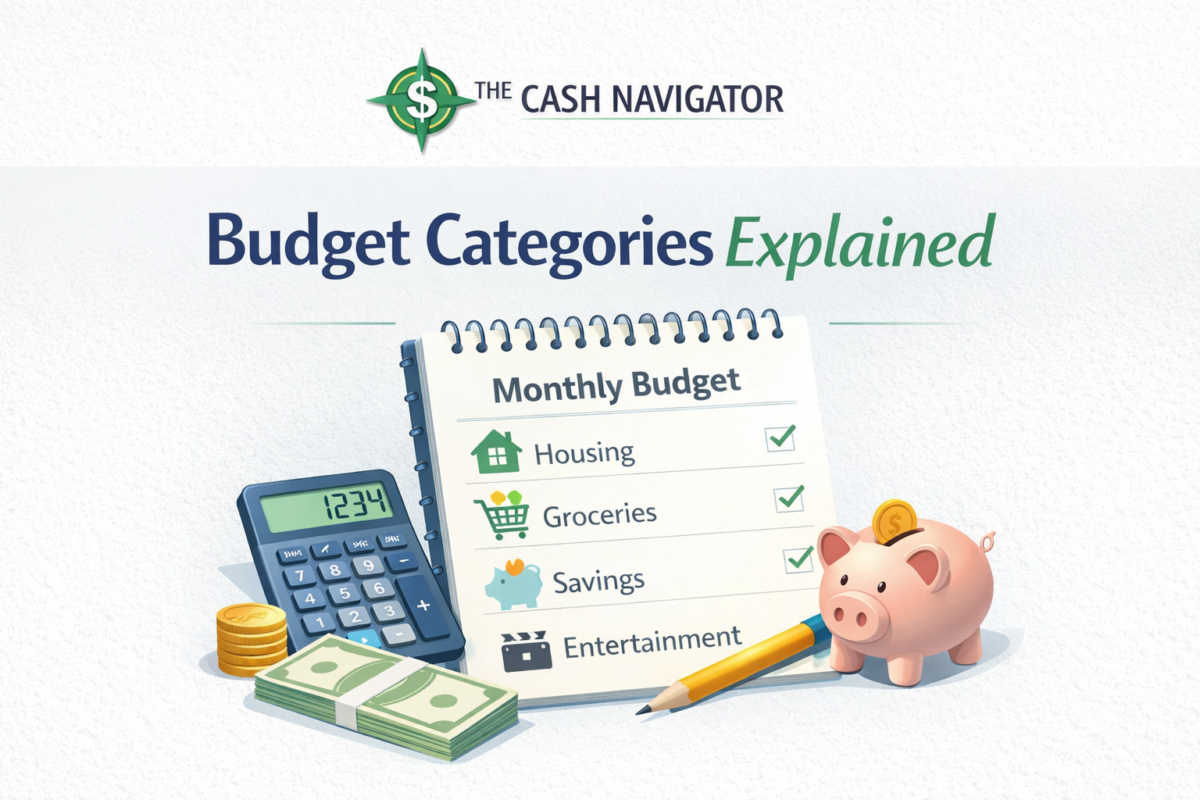
Then group your spending into a few simple categories:
- housing
- utilities
- groceries
- transportation
- insurance
- debt payments
- dining out
- shopping
- entertainment
- subscriptions
- savings
This step can be uncomfortable, but it is where the truth shows up. Many people think they have an income problem when they actually have a visibility problem. Learning how to budget money for beginners starts with awareness.
If you want support tools for this stage, check out Best Budgeting Apps in 2026. Budgeting apps can help automate transaction tracking and make patterns easier to spot.
Step 3: Separate Fixed Expenses From Variable Expenses
One of the easiest ways to simplify how to budget money for beginners is to split your expenses into two buckets: fixed and variable.
Fixed Expenses
- rent or mortgage
- car payment
- insurance
- phone bill
- minimum debt payments
- streaming or recurring memberships
Variable Expenses
- groceries
- gas
- dining out
- shopping
- gifts
- entertainment
- household extras
This matters because fixed expenses tell you how much of your income is already committed before the month begins. Variable expenses show you where flexibility exists.
If your fixed costs are too high, the issue may not be coffee or takeout. It may be housing, transportation, or debt obligations. That is why beginner budgets should focus on the biggest pressures first instead of obsessing over tiny purchases while ignoring larger problems.
Step 4: Choose a Budgeting Method You Can Actually Follow
Many people assume there is one perfect budget. There is not. The best system for how to budget money for beginners is the one you can stick to consistently.
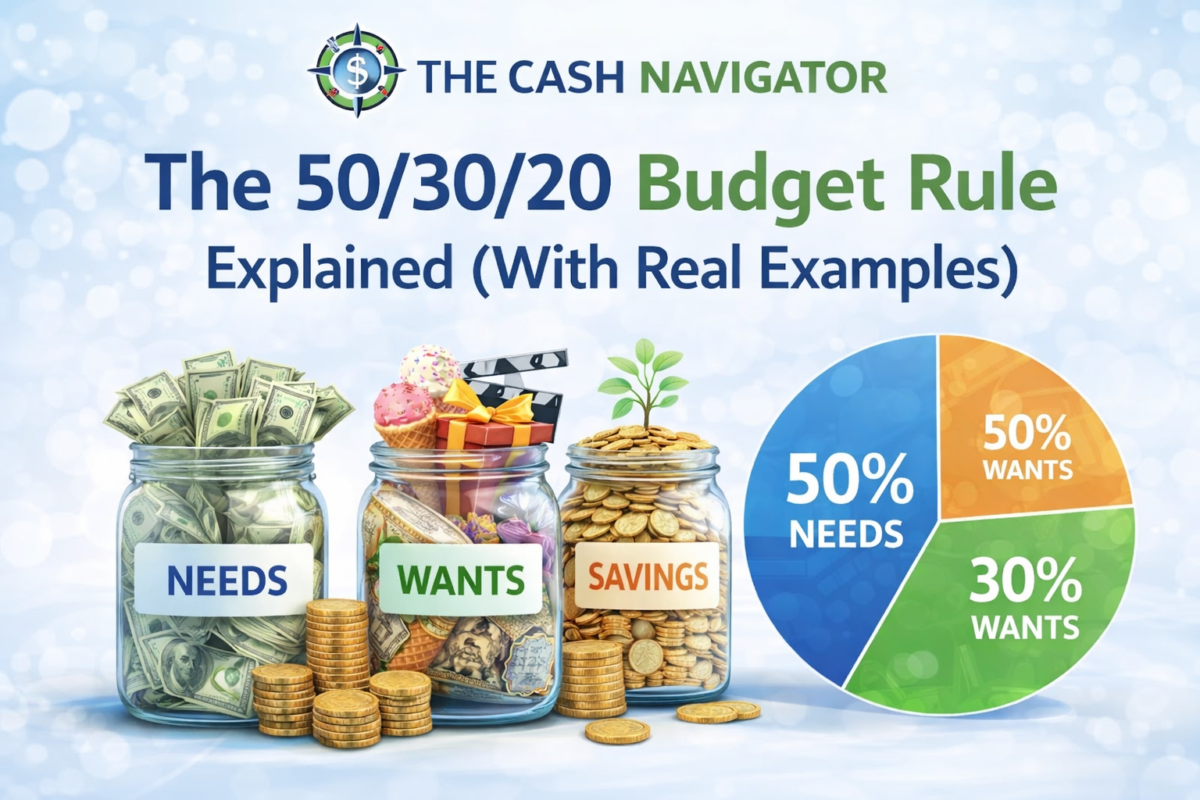
1. The 50/30/20 Budget
This is one of the easiest methods for beginners. It generally divides your after-tax income like this:
- 50% for needs
- 30% for wants
- 20% for savings and debt payoff
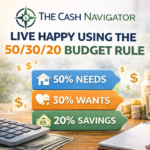
If you want a deeper breakdown, read The 50/30/20 Budget Rule Explained (With Real Examples) and Live Happy Using the 50/30/20 Budget Rule.
2. Zero-Based Budgeting
With zero-based budgeting, every dollar gets assigned a job before the month begins. Income minus expenses equals zero, but that includes savings and debt payments too. This method is useful if you want more control and fewer surprises.
3. Pay Yourself First
This is the simplest method. You automate savings and required bills first, then spend the rest. It can work well if your spending is already fairly controlled, but it is not always the best choice for people with debt or recurring overspending.
For most people starting out, the 50/30/20 approach is a strong first move because it is simple, flexible, and easy to understand.
Step 5: Build Your First Budget With Real Numbers
Let’s say your take-home pay is $4,000 per month.
A rough 50/30/20 model would look like this:
- Needs: $2,000
- Wants: $1,200
- Savings/debt payoff: $800
Now compare those targets to your actual expenses.
Example needs budget:
- Rent: $1,250
- Utilities: $180
- Groceries: $350
- Car insurance: $130
- Gas: $140
- Minimum debt payments: $220
Total needs = $2,270
This tells you immediately that your needs are running above 50%. That is common. It does not mean your budget failed. It means your budget exposed reality. From there, you can decide whether to reduce wants, cut categories, increase income, or avoid taking on new monthly obligations.
This is the real power of how to budget money for beginners. A budget is not just a worksheet. It is a decision-making tool.
Step 6: Build a Small Emergency Buffer Early
One reason budgets collapse is that life interrupts them. A flat tire, last-minute prescription, pet emergency, broken appliance, or small medical bill can wreck your plan if you have no savings.
That is why a starter emergency fund matters early. You do not need a perfect emergency fund on day one. You need a buffer.
A strong beginner sequence looks like this:
- save your first $500 to $1,000
- keep making minimum debt payments
- avoid new debt where possible
- grow your emergency fund over time
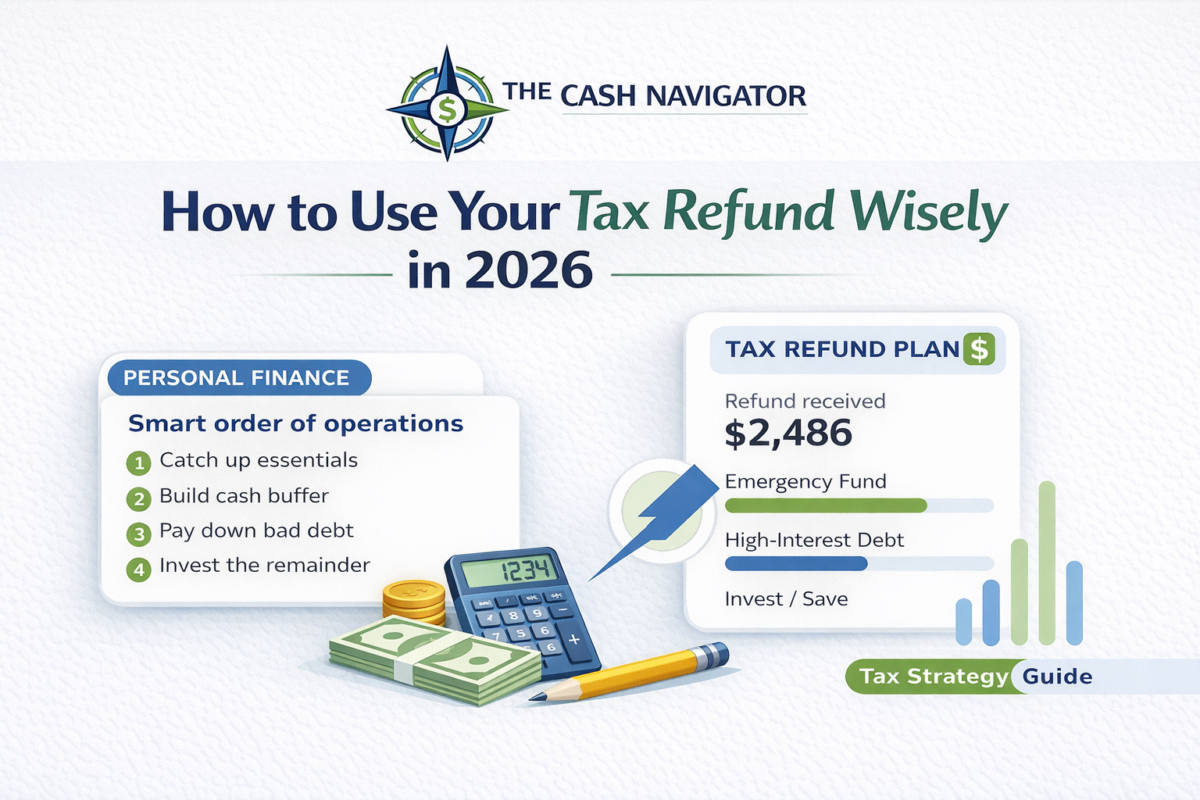
To go deeper, read How Much Emergency Fund Should You Have? and How to Save Your First $1,000 (Step-by-Step Beginner’s Guide). If you want to park cash in a stronger savings vehicle, review Best High Yield Savings Accounts (2026 Guide).
Step 7: Cut the Right Expenses First
Bad budgeting advice often tells people to cut every small pleasure at once. That usually leads to burnout. A better approach is to look for the largest leaks with the lowest pain.
Start with these categories:
- unused subscriptions
- delivery fees and frequent takeout
- impulse shopping
- premium phone plans
- insurance policies you have not shopped in years
- small recurring charges you stopped noticing
If money feels especially tight, read How to Save Money Fast When You’re Broke and The 30-Day Money Reset (Fix Your Finances Fast). Those guides fit naturally with a beginner budget because they focus on quick wins and practical behavior changes.
You do not need to remove every enjoyable expense from your life. You need to stop the spending that adds little value and quietly drains your cash flow.
Step 8: Decide What Your Savings Bucket Should Do First
One of the biggest beginner mistakes is trying to do everything at the same time. Save for emergencies, pay off credit cards, invest for retirement, travel, and build sinking funds all at once. That spreads progress too thin.
For most people, this order works well:
- get your employer 401(k) match if available
- build a starter emergency fund
- attack high-interest debt
- build a larger emergency fund
- increase retirement and long-term investing
If you need help generating extra income while building your budget, read Side Hustles That Actually Make Money. Increasing income can make budgeting easier, especially when your fixed expenses are already stretched.
Step 9: Use Automation So the Budget Does Not Depend on Willpower
The less your budget depends on memory, mood, and discipline, the better it works. Automation is one of the most practical parts of how to budget money for beginners.
Automate:
- savings transfers
- bill payments
- debt payments
- sinking funds for annual costs
- retirement contributions
A simple setup might look like this:
- paycheck lands in checking
- automatic transfer moves money to savings the same day
- fixed bills come out on scheduled dates
- you review spending once each week
That weekly review is where a budget stays alive. Without it, even a good plan drifts.
Step 10: Review and Adjust Your Budget Every Month
Learning how to budget money for beginners is not about making one perfect budget and never touching it again. A budget is a living system. It gets better through monthly adjustment.
At the end of each month, ask:
- Did I overspend in any category?
- Were my budget numbers realistic?
- What unexpected costs showed up?
- Did I save anything?
- Did I reduce debt?
- What one change would improve next month?
You are not reviewing to judge yourself. You are reviewing to improve the system. That shift matters.
Common Budgeting Mistakes Beginners Make
1. Using gross income instead of take-home pay
This makes the budget look healthier than it really is.
2. Forgetting irregular expenses
Car registration, holidays, gifts, travel, annual memberships, and maintenance still count. If they happen every year, they belong in the budget.
3. Making the budget too strict
If your plan is too aggressive, it usually fails fast. Sustainable beats extreme.
4. Ignoring expensive debt
Credit card interest can quietly kill progress. If you are trying to free up cash flow, debt payoff needs to be part of the strategy.
5. Never checking the budget again
A budget that is never reviewed becomes outdated almost immediately.
A Simple Beginner Budget Template
Use this as a starting point:
Monthly take-home income: $__________
Needs
- Housing: $__________
- Utilities: $__________
- Groceries: $__________
- Insurance: $__________
- Transportation: $__________
- Minimum debt payments: $__________
Wants
- Dining out: $__________
- Entertainment: $__________
- Shopping: $__________
- Subscriptions: $__________
Savings and Financial Goals
- Emergency fund: $__________
- Extra debt payment: $__________
- Retirement: $__________
- Other savings: $__________
Monthly review
- What worked?
- What failed?
- What needs to change next month?
Final Thoughts
If you are serious about learning how to budget money for beginners, keep it simple. Start with take-home income. Track your spending. Pick a method you can stick to. Build a starter emergency fund. Cut the biggest leaks first. Review your numbers monthly.
You do not need a finance degree, a giant spreadsheet, or perfect discipline. You need a repeatable system that helps you make better choices with your money.
And once that system starts working, budgeting stops feeling like restriction. It starts feeling like control.
Related Articles on The Cash Navigator
- Best Budgeting Apps in 2026 (Top Picks That Actually Work)
- The 50/30/20 Budget Rule Explained (With Real Examples)
- Live Happy Using the 50/30/20 Budget Rule
- How Much Emergency Fund Should You Have?
- How to Save Your First $1,000 (Step-by-Step Beginner’s Guide)
- How to Save Money Fast When You’re Broke
- The 30-Day Money Reset (Fix Your Finances Fast)
- Best High Yield Savings Accounts (2026 Guide)
- Side Hustles That Actually Make Money
External Sources

