











Saving $5,000 in a year may sound intimidating at first. But when you break the goal into smaller pieces, it becomes surprisingly manageable.
Saving $5,000 in 12 months simply means setting aside about $417 per month, or roughly $14 per day. With a combination of smart budgeting, cutting unnecessary expenses, and increasing your income, this goal becomes very realistic.
In this guide from The Cash Navigator, you’ll learn a simple strategy to reach a $5,000 savings goal even if you’re starting from zero.
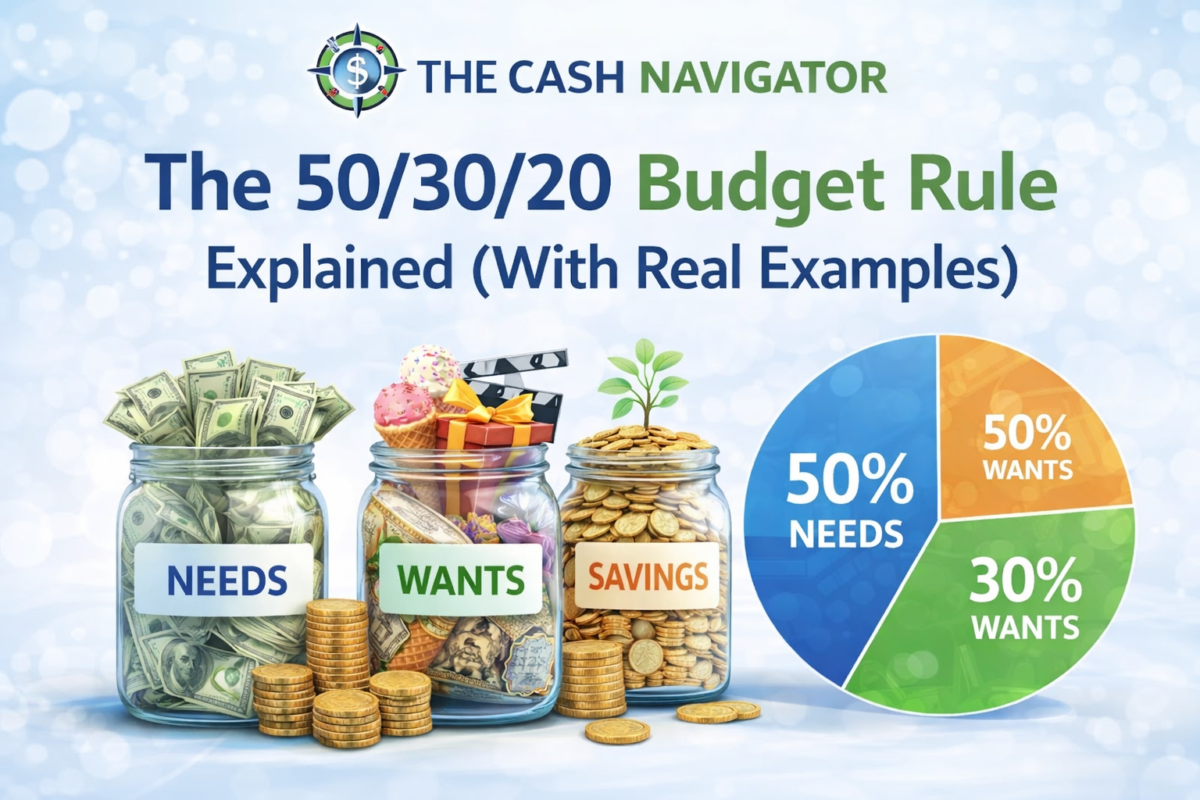
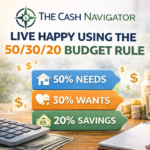
If you’re building a financial foundation, this strategy works well alongside our guide on how much money you should save each month and our breakdown of the 50/30/20 budgeting rule. In actuality, at the cash navigator we want to ensure we can Live Happy Using the 50/30/20 Budget Rule.
Break the Goal Into Simple Monthly Targets
Large financial goals are easier to achieve when broken into smaller milestones.
To save $5,000 in one year, aim for:
- $417 per month
- $96 per week
- $14 per day
Financial planning experts frequently recommend breaking savings goals into small automated transfers so they become a routine habit rather than a monthly decision. For example, Fidelity suggests setting automatic transfers toward savings goals to stay consistent.
You can learn more about this strategy here:
https://www.fidelity.com/learning-center/personal-finance/how-to-save-5000
Below is a simple monthly breakdown.
| Month | Monthly Savings | Total Saved |
|---|---|---|
| January | $417 | $417 |
| February | $417 | $834 |
| March | $417 | $1,251 |
| April | $417 | $1,668 |
| May | $417 | $2,085 |
| June | $417 | $2,502 |
| July | $417 | $2,919 |
| August | $417 | $3,336 |
| September | $417 | $3,753 |
| October | $417 | $4,170 |
| November | $417 | $4,587 |
| December | $417 | $5,004 |
Even small changes can easily add up to this amount over time.
Strategy 1: Automate Your Savings
One of the most effective ways to build savings is to automate the process.
Instead of saving whatever money remains at the end of the month, flip the process.
Pay yourself first.
Set up an automatic transfer of $417 per month into a separate savings account. When the money moves automatically, you remove the temptation to spend it.
Personal finance experts consistently recommend automation as one of the most effective saving strategies. NerdWallet also emphasizes that automated transfers help people stay consistent with savings goals.
https://www.nerdwallet.com/article/banking/how-to-save-money
A high-yield savings account can also help your money grow faster compared to traditional savings accounts.
You can read our breakdown of the best high yield savings accounts to find options that earn higher interest.
Strategy 2: Cancel Subscriptions You Don’t Use
Many people underestimate how much they spend on recurring subscriptions.
According to research, the average American spends around $273 per month on subscriptions including streaming services, apps, and memberships.
https://www.westmonroe.com/press-releases/americans-are-spending-more-on-subscriptions
Canceling just a few unused subscriptions can immediately free up money.
For example:
| Subscription | Monthly Cost | Yearly Savings |
|---|---|---|
| Streaming Service | $15 | $180 |
| Music Subscription | $10 | $120 |
| Unused App | $12 | $144 |
Total savings from just three cancellations: $444 per year
That alone covers nearly 10% of the $5,000 goal.
Strategy 3: Reduce Everyday Spending
Daily spending habits can quietly drain hundreds of dollars per month.
Here are some simple swaps that can dramatically increase your savings.
Cook at Home More Often
Eating out frequently adds up quickly. Preparing meals at home can save hundreds each month.
Even reducing restaurant visits by two meals per week could save $100–$200 per month.
Brew Coffee at Home
A $5 daily coffee habit costs roughly:
$5 × 365 = $1,825 per year
Switching to homemade coffee can save over $1,500 annually.
Try the 30-Day Rule
Before buying non-essential items, wait 30 days.
Many impulse purchases disappear once you create a pause between wanting something and buying it.
Strategy 4: Use Cash Back and Discounts
Saving money doesn’t always require spending less. Sometimes it means spending smarter.
Using cashback rewards and discount tools can add meaningful savings throughout the year.
Examples include:
- cashback credit cards
- grocery reward apps
- coupon browser extensions
- loyalty programs
Tools like Honey and Rakuten automatically apply discounts and cashback rewards when shopping online.
Even earning $30 per month in cashback adds $360 toward your $5,000 goal.
Strategy 5: Add a Small Side Income
Cutting expenses helps, but increasing income can accelerate your progress dramatically.
Many Americans supplement their income with small side hustles. According to Bankrate, the median side hustle income is about $200 per month.
https://www.bankrate.com/loans/small-business/side-hustles-survey
That alone could generate:
$200 × 12 months = $2,400 per year
Some easy side income ideas include:
- freelance work
- tutoring
- selling unused items
- delivery apps
- pet sitting
- selling digital products
If you’re interested in increasing your income, check out our guide to side hustles that actually make money.
Strategy 6: Track Your Progress
Saving becomes easier when you can see your progress.
Tracking progress creates motivation and keeps you accountable.
Consider using:
- a spreadsheet
- budgeting apps
- visual savings trackers
- a dedicated savings account
Celebrate milestones like:
- $1,000 saved
- $2,500 saved
- $4,000 saved
These psychological wins help maintain momentum throughout the year.
Where to Keep Your Savings
Where you store your savings matters.
A high yield savings account can help your money earn interest while remaining accessible.
Online banks typically offer higher interest rates than traditional banks because they have lower overhead costs.
If you’re exploring options, read our full comparison of the best high yield savings accounts for 2026.
Final Thoughts
Saving $5,000 in a year isn’t about extreme frugality. It’s about consistent habits.
When you combine several small strategies, the results compound quickly:
- automate $417 per month
- cancel unused subscriptions
- cut small daily expenses
- use cashback rewards
- earn a little extra income
Together, these habits can comfortably push you past the $5,000 mark.
At The Cash Navigator, our goal is to help you build practical financial systems that work in real life.
If you’re just starting your savings journey, these guides will help next:
- How Much Money Should You Save Each Month
- The 50/30/20 Budget Rule Explained
- Best High Yield Savings Accounts
- Live Happy Using the 50/30/20 Budget Rule
Small habits today build financial freedom tomorrow.

