Budgeting has a reputation for being restrictive and complicated. It's neither — if you do it right. A good budget isn't a punishment. It's a plan that tells your money where to go instead of wondering where it went. Here's how to build one from scratch, even if you've never budgeted before.
The one-sentence rule: A budget works when it's realistic, flexible, and reviewed regularly. Perfection kills more budgets than overspending does.
Step 1: Calculate your real take-home income
Your budget starts with what actually hits your bank account — not your gross salary. Include all income sources: job, side hustle, freelance, benefits, child support, etc.
If your income varies month to month, use your lowest month from the past 3 months as your baseline. Budget conservatively; when you earn more, put the extra toward savings or debt.
Step 2: List all your expenses
Pull up your last 2 months of bank and credit card statements. Categorize every transaction:
- Fixed: rent, car payment, insurance, subscriptions — same every month
- Variable necessities: groceries, gas, utilities — necessary but amount varies
- Discretionary: dining out, entertainment, shopping — wants, not needs
- Irregular: car repairs, medical, gifts, annual fees — infrequent but real
Most people are surprised by their discretionary spending. Don't judge — just see the data. See our full breakdown: Budget Categories Explained.
Step 3: Choose a budgeting method
The 50/30/20 rule (best for beginners)
50% of take-home pay goes to needs, 30% to wants, 20% to savings and debt payoff. Simple, flexible, and forgiving. Read the full breakdown: The 50/30/20 Budget Rule Explained.
Zero-based budgeting (best for detail-oriented people)
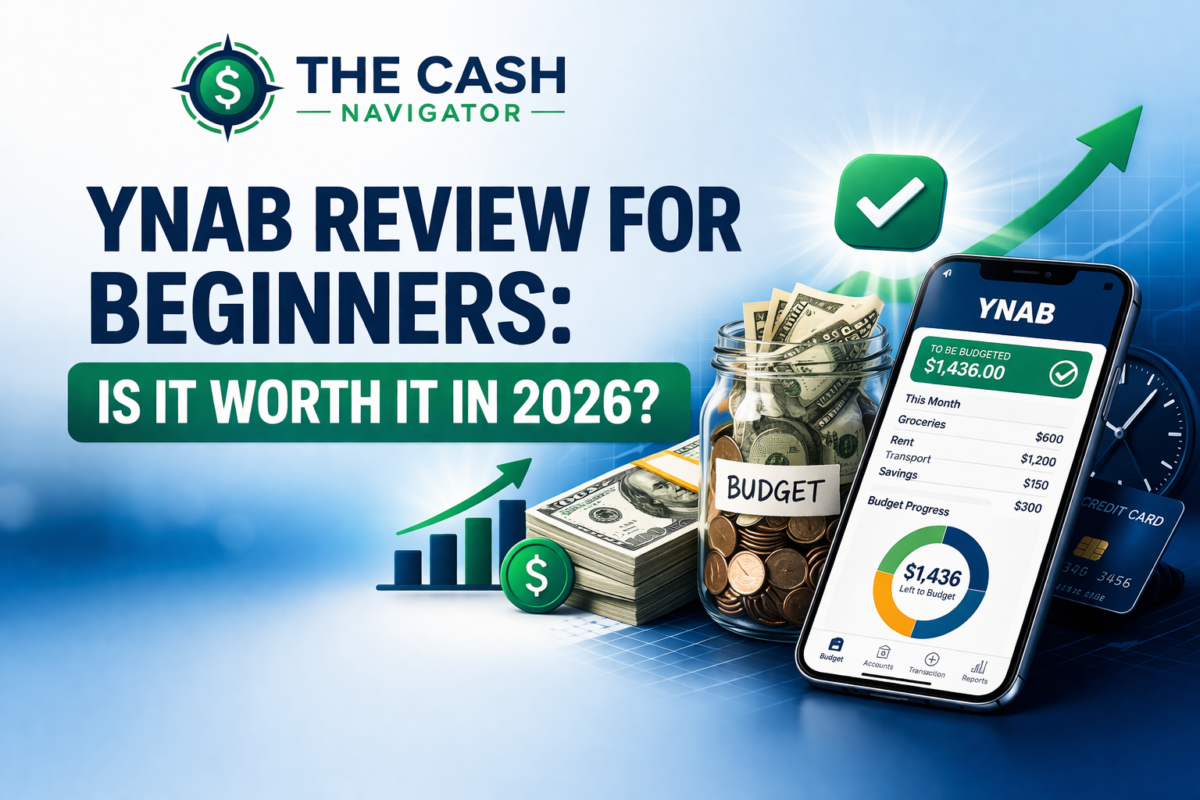
Every dollar of income is assigned to a category until you reach zero. Income minus expenses equals zero. More work, but more control. YNAB is built on this method: YNAB Review for Beginners.
Pay yourself first (best for savers)
Automatically transfer your savings target on payday, then spend the rest however you want. Simple and effective if you're disciplined about the savings transfer.
Step 4: Assign every dollar a job
Take your monthly income and allocate it across your categories. Start with fixed expenses (non-negotiable), then variable necessities, then savings, then discretionary.
If your expenses exceed your income, you have two options: cut spending or increase income. For cutting ideas, see: How to Save Money Fast When You're Broke. For income ideas: Side Hustles That Actually Make Money.
Step 5: Track and adjust weekly
A budget you set and forget doesn't work. Spend 5–10 minutes each week checking your actual spending against your budget. This catches problems early — before a $50 overspend becomes a $200 overspend.
Use a budgeting app to make tracking easier: Best Budgeting Apps in 2026.
Common beginner mistakes
- Forgetting irregular expenses: car registration, annual subscriptions, holiday gifts. Build a monthly "irregular" fund.
- Making the budget too tight: if you allow $0 for fun, you'll abandon the budget. Give yourself a guilt-free spending category.
- Not adjusting: your budget should change as your life changes. Review it monthly.
- Budgeting but not tracking: a budget without tracking is just a wish list.
FAQ
How long does it take to get good at budgeting?
Most people find their rhythm after 2–3 months. The first month is always the hardest because you're discovering your real spending patterns.
What if I have irregular income?
Budget based on your lowest expected month. When you earn more, allocate the extra to savings or debt before spending it.
Do I need a budgeting app?
No — a spreadsheet works fine. But an app that syncs to your bank accounts makes tracking much easier. See our picks: Best Budgeting Apps in 2026.