A mortgage is a 15–30 year commitment that will likely be your largest monthly expense. Understanding how mortgages work — before you start house shopping — helps you buy the right home at the right price with the right loan. This guide covers everything a first-time buyer needs to know.
FHA Loan vs. Conventional Loans (Mortgage 2026) | NerdWallet
Source: NerdWallet
Use our Mortgage Calculator to see exactly what your monthly payment would be at different loan amounts, rates, and terms.
How Much House Can You Afford?
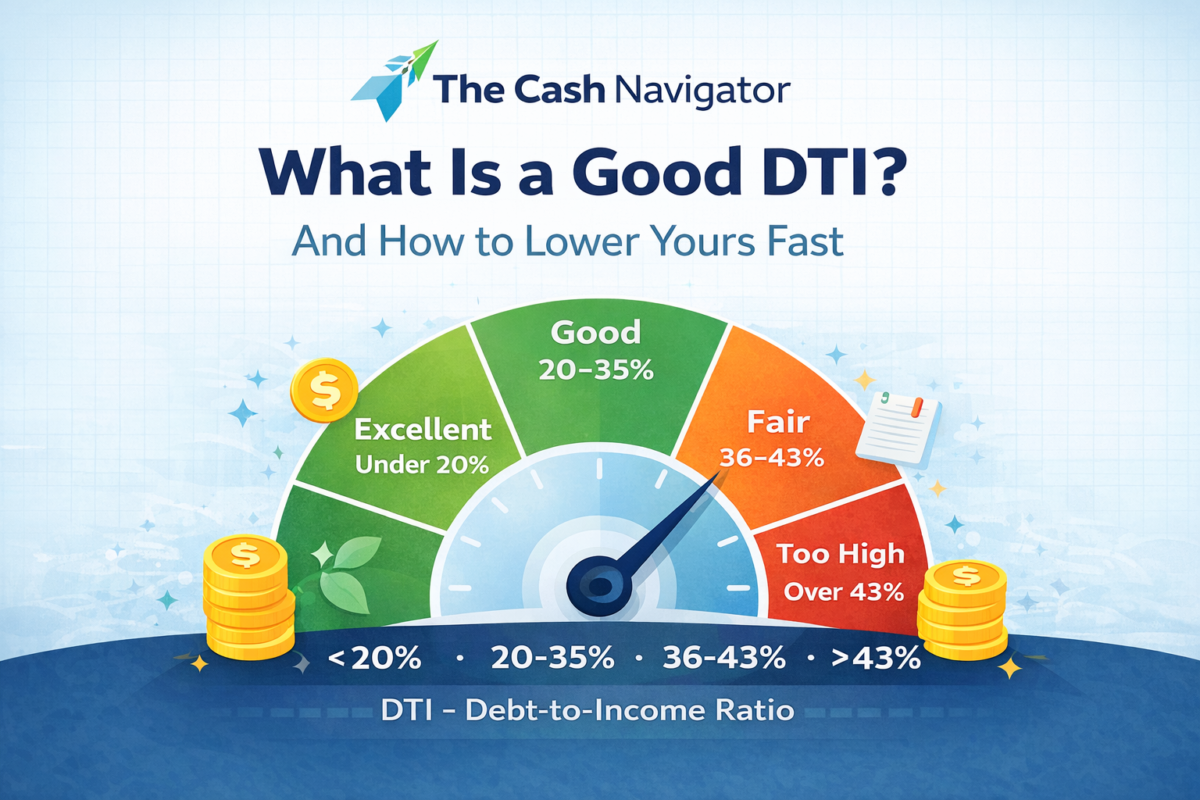
The standard guideline: your total housing payment (mortgage, taxes, insurance) should not exceed 28% of your gross monthly income. Your total debt payments (housing + all other debt) should not exceed 36–43%.
The 28/36 rule in practice
| Gross Monthly Income | Max Housing Payment (28%) | Max Total Debt (36%) | Approx. Home Price (7% rate, 20% down) |
|---|---|---|---|
| $5,000 | $1,400 | $1,800 | ~$175,000 |
| $7,500 | $2,100 | $2,700 | ~$265,000 |
| $10,000 | $2,800 | $3,600 | ~$355,000 |
| $15,000 | $4,200 | $5,400 | ~$530,000 |
Important: Lenders will approve you for more than you can comfortably afford. The maximum loan you qualify for is not the right loan amount. Build your budget from your actual financial situation, not the lender's maximum.
Loan Types Explained
Conventional loans
- Not government-backed; meet Fannie Mae/Freddie Mac guidelines
- Minimum 3–5% down payment (with PMI); 20% to avoid PMI
- Credit score: 620+ minimum; 740+ for best rates
- Best for: Buyers with good credit and stable income
FHA loans
- Backed by the Federal Housing Administration
- 3.5% down payment with 580+ credit score; 10% down with 500–579
- Mortgage insurance required for the life of the loan (if less than 10% down)
- Best for: First-time buyers with lower credit scores or smaller down payments
VA loans
- For eligible veterans, active-duty service members, and surviving spouses
- No down payment required; no PMI
- Competitive rates; no minimum credit score (lenders typically require 620+)
- Best for: Eligible military borrowers — one of the best mortgage products available
USDA loans
- For rural and suburban properties in eligible areas
- No down payment required
- Income limits apply (typically 115% of area median income)
- Best for: Buyers in eligible rural areas who meet income requirements
Fixed vs. adjustable rate
- Fixed-rate: Same rate for the life of the loan. Predictable payments. Best for buyers who plan to stay 7+ years.
- Adjustable-rate (ARM): Fixed for an initial period (5, 7, or 10 years), then adjusts annually. Lower initial rate. Best for buyers who plan to sell or refinance before the adjustment period.
Down Payment Options
| Down Payment | Loan Type | PMI Required? | Notes |
|---|---|---|---|
| 0% | VA, USDA | No | Eligibility requirements apply |
| 3% | Conventional (HomeReady/HomePossible) | Yes | Income limits may apply |
| 3.5% | FHA | Yes (life of loan) | 580+ credit score |
| 5–10% | Conventional | Yes | PMI until 20% equity |
| 20% | Conventional | No | Best rate, no PMI |
PMI (Private Mortgage Insurance): Required on conventional loans with less than 20% down. Typically 0.5–1.5% of the loan amount annually. On a $300,000 loan, that's $1,500–$4,500/year. PMI is automatically removed when you reach 20% equity.
Getting Pre-Approved
Pre-approval is a lender's conditional commitment to lend you a specific amount. It's essential before house shopping — sellers won't take your offer seriously without it.
Pre-approval vs. pre-qualification: Pre-qualification is a quick estimate based on self-reported information. Pre-approval involves a hard credit pull and document verification — it's the one that matters.
Documents needed for pre-approval
- W-2s and tax returns (2 years)
- Pay stubs (30 days)
- Bank statements (2–3 months)
- Investment account statements
- Government-issued ID
- Rental history (if applicable)
Get pre-approved by 2–3 lenders to compare rates. Multiple mortgage inquiries within a 45-day window count as a single inquiry for credit scoring purposes.
Closing Costs and Other Expenses
Closing costs are typically 2–5% of the loan amount — often $6,000–$15,000 on a $300,000 home. Budget for these in addition to your down payment.
Common closing costs
- Loan origination fee: 0.5–1% of loan amount
- Appraisal: $400–$700
- Home inspection: $300–$500
- Title insurance: $500–$1,500
- Attorney fees (required in some states): $500–$1,500
- Prepaid items: First year homeowner's insurance, property tax escrow, prepaid interest
First-time homebuyer programs
Many states offer down payment assistance programs for first-time buyers — grants or low-interest loans that don't need to be repaid. Check your state's housing finance agency for available programs. Some offer $5,000–$25,000 in assistance.
FAQ
How long does the mortgage process take?
From application to closing: typically 30–45 days. In competitive markets, some lenders offer 21-day closings. The process includes underwriting, appraisal, title search, and final approval.
Should I get a 15-year or 30-year mortgage?
A 15-year mortgage has a lower rate (typically 0.5–0.75% less) and builds equity faster, but higher monthly payments. A 30-year mortgage has lower payments and more flexibility. Most financial planners recommend the 30-year and investing the payment difference — but the 15-year is excellent if you can afford it.
Can I buy a house with student loan debt?
Yes — student loans affect your DTI ratio, which affects how much you can borrow. Income-driven repayment plans can lower your monthly payment and improve your DTI. FHA loans are more flexible with student loan debt than conventional loans.
What credit score do I need to buy a house?
FHA: 580+ (3.5% down) or 500+ (10% down). Conventional: 620+ minimum, 740+ for best rates. VA and USDA: no official minimum, but lenders typically require 620+.
Buying a home is a major financial decision that deserves major preparation. Know your budget before you start shopping, get pre-approved by multiple lenders, and understand all the costs involved — not just the down payment. The right mortgage at the right rate can save you tens of thousands over the life of the loan.