Student loan repayment strategy depends on one critical question: are your loans federal or private? Federal loans have income-driven repayment plans, forgiveness programs, and deferment options that private loans don't. Private loans are treated like any other debt — pay them off aggressively or refinance to a lower rate.
How to Make 2026 the Year You Finally Master Your Money | NerdWallet
Source: NerdWallet
This guide covers federal loan strategy in depth, plus when refinancing makes sense. Use our Debt Payoff Calculator to model your specific payoff timeline.
Federal Loan Repayment Plans
| Plan | Payment | Term | Best For |
|---|---|---|---|
| Standard | Fixed | 10 years | Paying off fast, minimizing interest |
| Graduated | Starts low, increases | 10 years | Expecting income growth |
| Extended | Fixed or graduated | 25 years | Lower payments, more interest |
| SAVE (IDR) | 5–10% of discretionary income | 20–25 years | Low income, pursuing forgiveness |
| IBR (IDR) | 10–15% of discretionary income | 20–25 years | Older borrowers, PSLF candidates |
| PAYE (IDR) | 10% of discretionary income | 20 years | New borrowers with high debt-to-income |
Income-Driven Repayment (IDR) Explained
IDR plans cap your monthly payment at a percentage of your discretionary income — defined as income above 150–225% of the federal poverty line. After 20–25 years of payments, the remaining balance is forgiven (though the forgiven amount may be taxable).
SAVE plan (2026 status)
The SAVE plan (Saving on a Valuable Education) was introduced in 2023 as the most generous IDR plan. As of 2026, it remains in legal limbo due to court challenges. Check studentaid.gov for current status before enrolling.
Who should use IDR?
- Borrowers with high debt relative to income (debt-to-income ratio above 1.5x annual salary)
- Anyone pursuing Public Service Loan Forgiveness
- Borrowers with income below $40,000 who may qualify for $0 payments
Who should avoid IDR?
- Borrowers who can pay off their loans within 10 years on the standard plan
- Anyone with private loans (IDR doesn't apply)
- High earners where IDR payments exceed standard plan payments
Public Service Loan Forgiveness (PSLF)
PSLF forgives the remaining federal loan balance after 120 qualifying payments (10 years) while working full-time for a qualifying employer. Qualifying employers include:
- Federal, state, local, or tribal government agencies
- 501(c)(3) nonprofit organizations
- Other nonprofits providing qualifying public services
Key requirements:
- Must be on an IDR plan (not standard repayment)
- Must have Direct Loans (FFEL and Perkins loans must be consolidated first)
- Submit the Employment Certification Form annually — don't wait until year 10
PSLF forgiveness is tax-free — unlike IDR forgiveness, which may be taxable. For someone with $80,000+ in federal loans working in public service, PSLF can be worth $50,000–$150,000 in forgiven debt.
When to Refinance Student Loans
Refinancing replaces your federal or private loans with a new private loan at a lower interest rate. The catch: refinancing federal loans makes them private, permanently eliminating access to IDR plans, PSLF, deferment, and forbearance.
Refinancing makes sense when:
- You have private loans (no federal benefits to lose)
- You have federal loans but are NOT pursuing PSLF and can pay them off in 5–7 years
- Your credit score is 700+ and you can qualify for a rate significantly below your current rate
- Your income is stable and you don't anticipate needing IDR or deferment
Refinancing does NOT make sense when:
- You're pursuing PSLF (you'd lose forgiveness eligibility)
- Your income is variable or uncertain
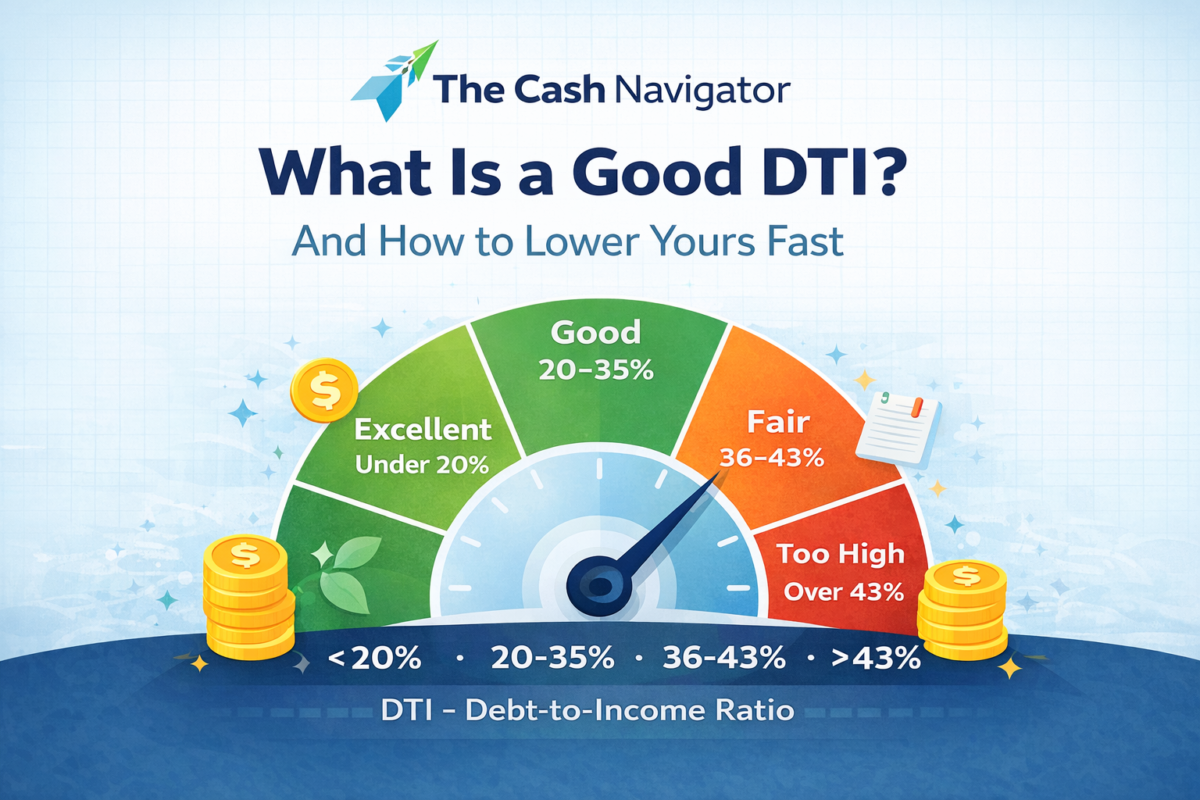
- Your debt-to-income ratio is high and IDR is keeping payments manageable
Top refinancing lenders in 2026: SoFi, Earnest, Laurel Road, ELFI. Compare rates at Credible without affecting your credit score.
Aggressive Payoff Strategy
If you're not pursuing PSLF and your loans are manageable, aggressive payoff is often the best financial move. Federal student loan rates range from 5.5–8.05% in 2026 — not as high as credit cards, but high enough that paying them off beats most conservative investments.
The aggressive payoff sequence:
- Get employer 401(k) match first (free money)
- Build a 1-month emergency fund
- Pay off any loans above 7% APR aggressively
- For loans below 5%, consider investing the difference instead
Apply extra payments to your highest-rate loan first (avalanche method). See our full guide on debt avalanche vs. snowball for the comparison.
FAQ
Should I pay off student loans or invest?
For loans above 7%, pay them off first. For loans below 5%, investing in a diversified index fund historically outperforms the guaranteed return of paying off low-rate debt. For loans between 5–7%, it's a personal decision based on risk tolerance.
What happens if I can't make my student loan payments?
Federal loans have deferment and forbearance options that pause payments temporarily. IDR plans can reduce payments to $0 if your income is low enough. Private loans have fewer options — contact your servicer immediately if you're struggling.
Is student loan forgiveness taxable?
PSLF forgiveness is tax-free. IDR forgiveness (after 20–25 years) may be taxable as ordinary income, though this has been subject to legislative changes. Check current IRS guidance at the time of forgiveness.
Can I deduct student loan interest?
Yes — up to $2,500/year in student loan interest is deductible if your income is below $90,000 (single) or $185,000 (married filing jointly) in 2026. The deduction phases out above those thresholds.
Student loan strategy is highly individual — the right approach depends on your loan type, income, career path, and financial goals. Federal borrowers have more options than ever, but those options require active management. Check your servicer account, understand your plan, and make deliberate choices rather than defaulting to whatever plan you were automatically enrolled in.