A balance transfer card moves your existing credit card debt to a new card with a 0% introductory APR — typically for 12–21 months. During that window, every dollar you pay goes directly to principal instead of interest. Used correctly, it's one of the most powerful debt payoff tools available.
Best Balance Transfer Credit Cards of 2026 | NerdWallet
Source: NerdWallet
Used incorrectly, it can leave you worse off. Here's how to do it right.
How Balance Transfers Work
When you open a balance transfer card, you request to move your existing debt from one or more cards to the new card. The new card pays off your old balances, and you now owe that amount to the new issuer — at 0% APR for the promotional period.
Most cards charge a balance transfer fee of 3–5% of the transferred amount. On a $5,000 transfer, that's $150–$250. This fee is almost always worth paying when the alternative is months of 20%+ interest.
After the promotional period ends, the remaining balance reverts to the card's standard APR — typically 19–29%. This is why having a payoff plan before you transfer is critical.
How Much Can You Save?
The savings depend on your balance, your current rate, and how long the 0% period lasts:
| Balance | Current APR | 0% Period | Interest Saved |
|---|---|---|---|
| $3,000 | 22% | 15 months | ~$660 |
| $5,000 | 22% | 15 months | ~$1,100 |
| $8,000 | 20% | 18 months | ~$2,400 |
| $12,000 | 24% | 21 months | ~$5,000+ |
Subtract the transfer fee (3–5%) from these numbers to get your net savings. Even after the fee, the savings are substantial on balances above $2,000.
What Credit Score Do You Need?
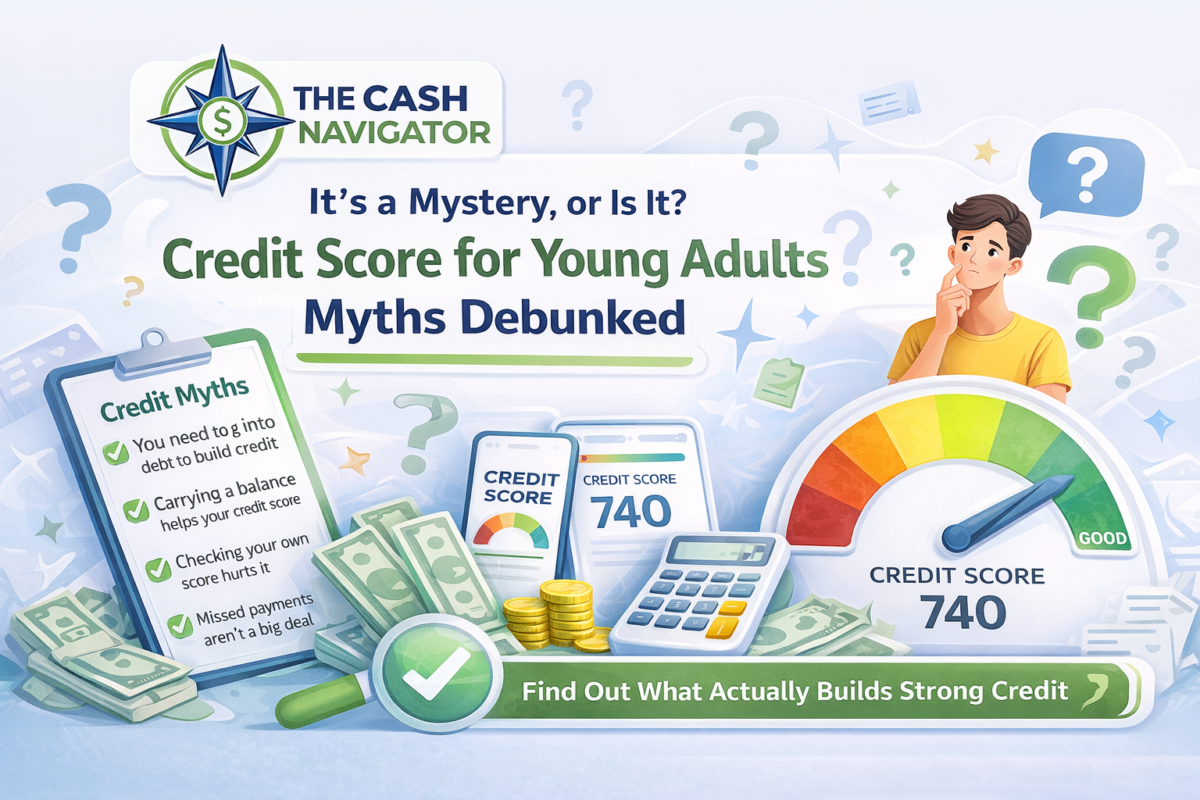
Most balance transfer cards with long 0% periods require a good to excellent credit score — generally 670+ FICO, with the best offers going to 720+ scores.
If your score is below 670, you may still qualify for some balance transfer offers, but the promotional period will likely be shorter (6–12 months) and the transfer fee may be higher. Check your score before applying — a hard inquiry will temporarily lower it by a few points.
See our guide: What Is a Good Credit Score?
Step-by-Step: How to Do a Balance Transfer
- Check your credit score to understand which cards you're likely to qualify for
- Compare offers — look at the 0% period length, transfer fee, and post-promo APR
- Apply for the card — you'll typically get an instant decision
- Request the transfer — provide your old card account numbers and the amounts to transfer. You can usually do this during the application or in your new account dashboard
- Keep paying your old card until the transfer is confirmed (it takes 7–14 days)
- Calculate your required monthly payment — divide the transferred balance by the number of months in the 0% period. Pay at least this amount every month
- Set up autopay for at least the minimum payment to avoid losing the 0% rate
Mistakes That Wipe Out Your Savings
- Missing a payment. Most cards will cancel your 0% rate if you miss a payment, reverting the entire balance to the standard APR immediately. Set up autopay.
- Making new purchases on the transfer card. New purchases typically don't get the 0% rate and may accrue interest immediately. Use a different card for daily spending.
- Not paying off the balance before the promo ends. If you have a remaining balance when the 0% period expires, you'll owe interest on it at the full rate going forward. Know your deadline and plan accordingly.
- Racking up the old card again. After transferring, your old card has a $0 balance and available credit. Don't use it. The goal is to reduce total debt, not shift it around while adding more.
When a Balance Transfer Isn't the Right Move
Balance transfers work best when:
- You have a concrete plan to pay off the balance within the 0% period
- Your credit score qualifies you for a meaningful promotional period (12+ months)
- Your balance is large enough that the interest savings exceed the transfer fee
Consider alternatives if:
- Your balance is too large to pay off in the promo period — a debt consolidation loan at a fixed lower rate may be better
- Your credit score is too low to qualify for a good offer
- You're not confident you can avoid using the old card again
FAQ
Does a balance transfer hurt your credit score?
Applying causes a small temporary dip from the hard inquiry (typically 5 points or less). Opening a new account also temporarily lowers your average account age. However, reducing your utilization on the old card can improve your score. Net effect is usually neutral to slightly positive within 3–6 months.
Can I transfer debt from multiple cards?
Yes — most balance transfer cards allow you to transfer from multiple accounts, up to your new card's credit limit. You can't transfer balances between cards from the same issuer.
What happens if I can't pay off the balance before the promo ends?
The remaining balance starts accruing interest at the standard APR. You have two options: pay it down aggressively before the deadline, or apply for another balance transfer card to extend your 0% window (this requires a good credit score and another hard inquiry).