-

·
Money Habits of People Who Save 30%+ (Build Wealth Faster)
If you’re serious about building wealth, understanding the money habits of people who save 30% or more of their income is one of the fastest ways to level up your finances. Most Americans save far less. According to the Federal Reserve, the average personal savings rate hovers around 3–5%, meaning high savers are operating at…
-

·
Best Budgeting Apps in 2026 (Top Picks That Actually Work)
Smart budgeting is easier with the best budgeting apps in 2026. These mobile and web apps link to your bank accounts, automatically categorize spending, and help you set savings goals without spreadsheets. In this guide we compare 7 top apps—including YNAB, EveryDollar, PocketGuard, Monarch, Simplifi, Goodbudget, and Honeydue • Finance App for Couples —with details on pricing, key features, and…
-

·
How to Save Money Fast When You’re Broke
If you’re struggling financially, learning how to save money fast when you’re broke can help you regain control of your finances and start building a safety cushion. This article provides 8 practical tactics to free up cash and start saving immediately, even when you feel broke. We cover quick wins like cutting small daily expenses (for example, brewing…
-

·
Side Hustles That Actually Make Money
Side gigs are a proven way to boost income or reach financial goals faster. This article surveys 8–10 realistic side hustles – from freelancing and driving gigs to renting assets and digital products – detailing earnings ranges, time commitment, startup costs, and top platforms. For example, an Uber/Lyft driver in 2024 averaged about $21–$23 per hour net. We cover…
-
·
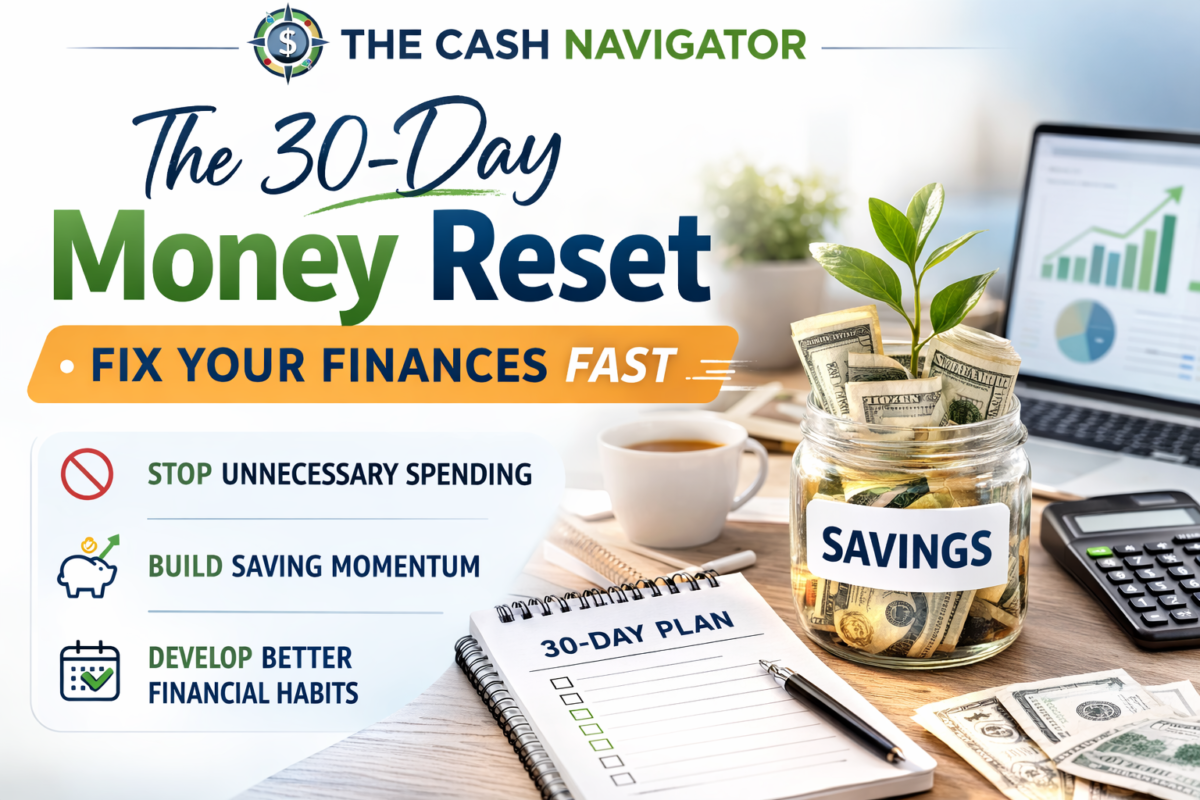
The 30-Day Money Reset (Fix Your Finances Fast)
If your finances feel chaotic, the fastest way to regain control is with a short, focused reset. A 30-day money reset is a one-month plan designed to help you: • stop unnecessary spending• build momentum toward savings• develop better financial habits Instead of vague goals like “I should save more,” you follow a simple weekly…
-

·
How to Save $5,000 in One Year (A Simple Monthly Plan That Works)
Saving $5,000 in a year may sound intimidating at first. But when you break the goal into smaller pieces, it becomes surprisingly manageable. Saving $5,000 in 12 months simply means setting aside about $417 per month, or roughly $14 per day. With a combination of smart budgeting, cutting unnecessary expenses, and increasing your income, this…
-
·
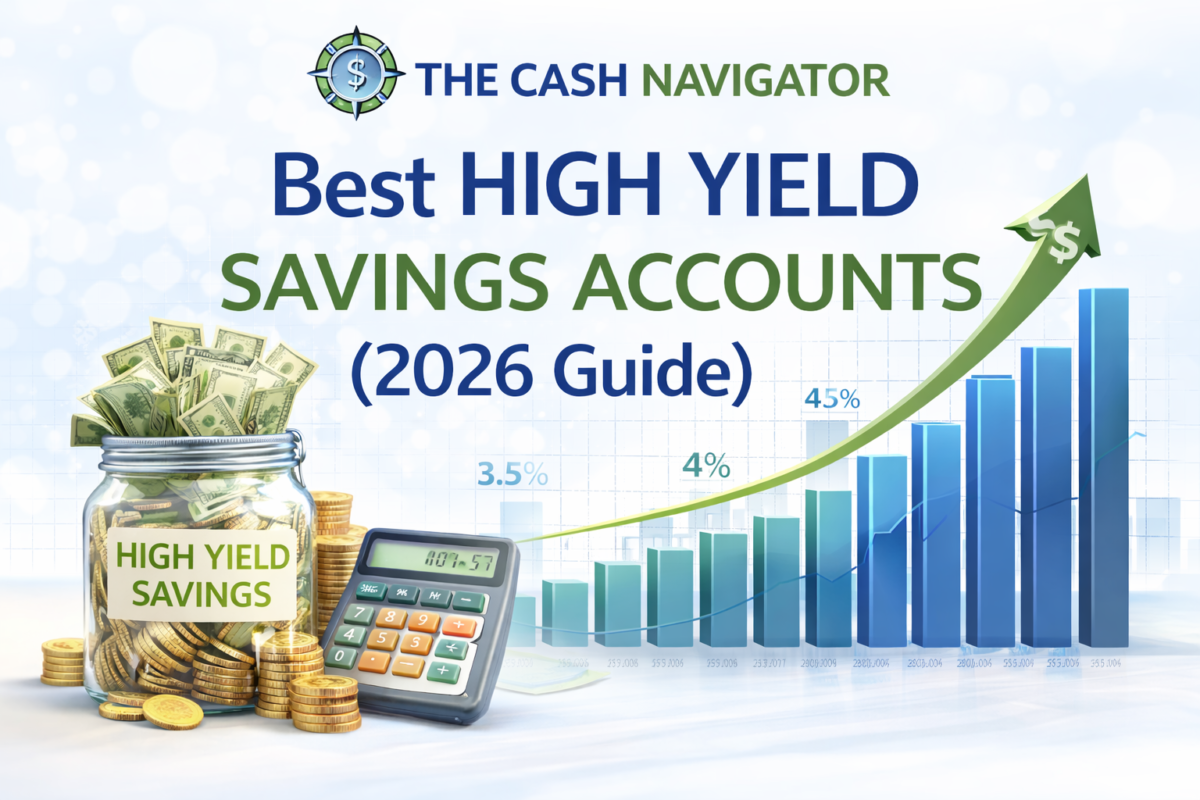
Best High Yield Savings Accounts (2026 Guide)
If you are searching for the best high yield savings accounts in 2026, you are already making a smarter financial choice than the vast majority of Americans. Right now, millions of people have their hard-earned cash sitting in traditional checking or savings accounts at massive brick-and-mortar banks. These accounts typically pay a devastatingly low 0.01%…
-
·
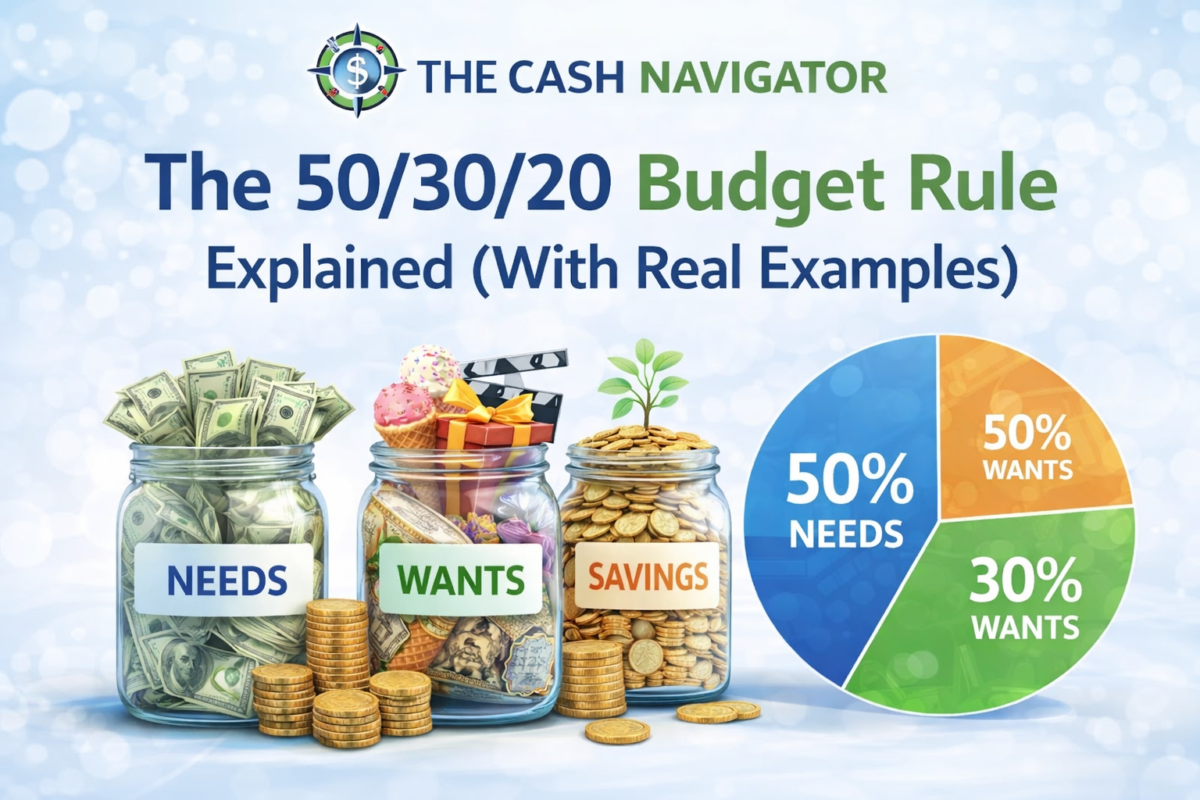
The 50/30/20 Budget Rule Explained (With Real Examples)
The 50/30/20 budget rule is one of the simplest and most effective ways to manage your money. Instead of tracking dozens of spending categories, this method divides your income into three clear buckets: needs, wants, and savings. In an economy where housing costs, groceries, and insurance continue rising, many Americans feel like budgeting has become…
-

·
How to Save Your First $1,000 (Step-by-Step Beginner’s Guide)
Saving your first $1,000 is one of the most important financial milestones you can reach. Many people search how to save your first $1,000 because building that first financial cushion creates stability and reduces dependence on debt. A $1,000 starter emergency fund can help cover unexpected expenses like car repairs, medical bills, or sudden travel.…
-
·
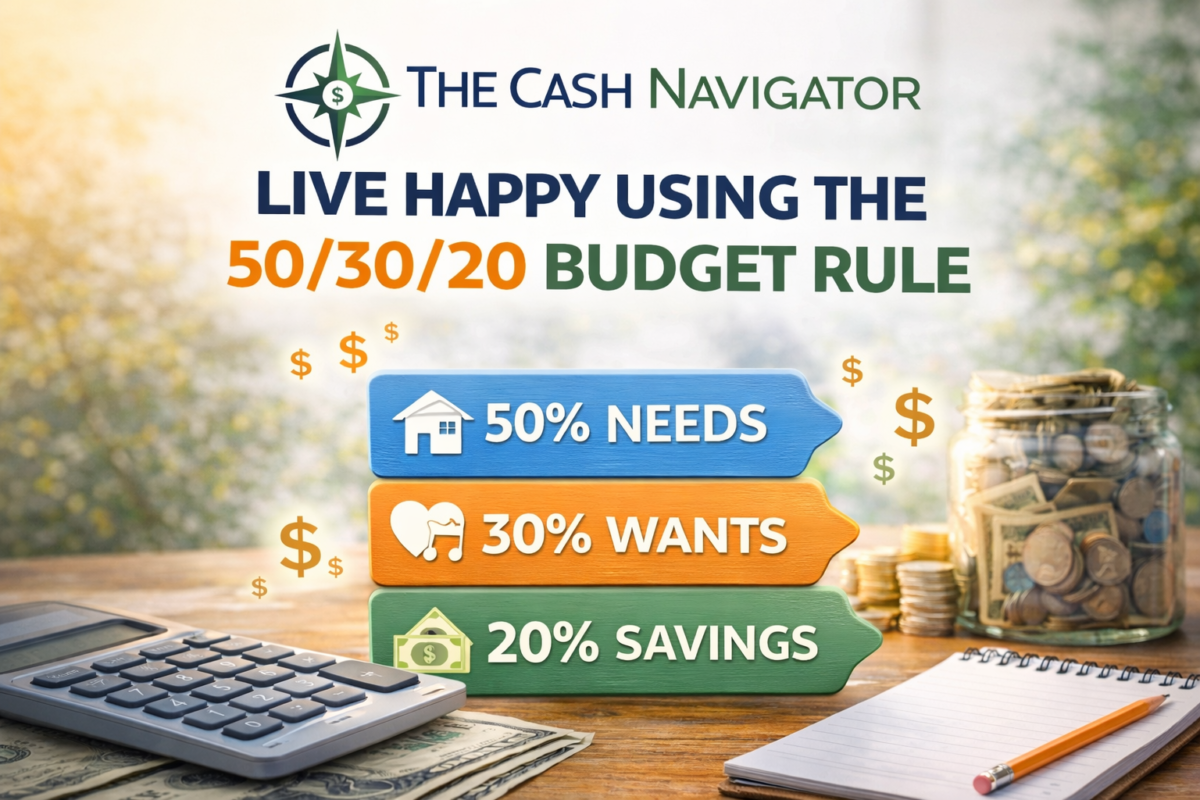
Live Happy Using the 50/30/20 Budget Rule
Managing money can feel complicated, especially with rising housing costs, inflation, and everyday expenses. The 50/30/20 budget rule is one of the simplest and most practical ways to structure your finances. Instead of tracking dozens of spending categories, the 50/30/20 budget rule divides your income into three clear buckets: needs, wants, and savings. For many…