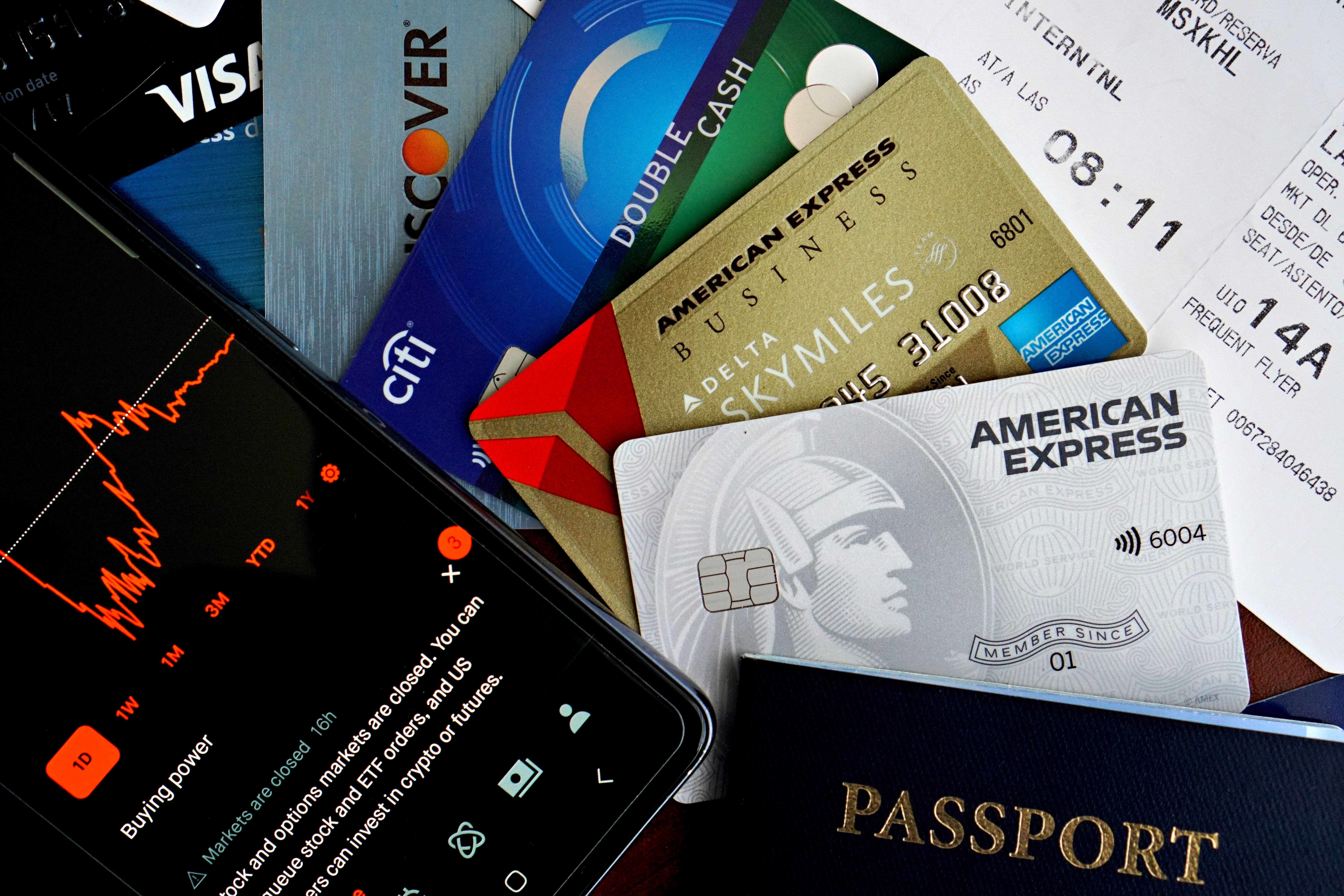
The average American household carrying credit card debt owes $6,501 at an average APR of 21.5% — paying over $1,400 per year in interest alone. Credit cards aren't inherently dangerous, but they're designed to make carrying a balance feel normal. Here's how to use them as tools without falling into the debt trap.
Best Balance Transfer Credit Cards of 2026 | NerdWallet
Source: NerdWallet
How Credit Card Debt Happens
Credit card debt rarely happens all at once. It accumulates gradually through a few common patterns:
- Paying only the minimum: A $3,000 balance at 21% APR with minimum payments takes 14+ years to pay off and costs $3,000+ in interest
- Using credit as income: Spending more than you earn and using credit to cover the gap
- Emergency spending: An unexpected expense goes on the card and never gets fully paid off
- Lifestyle creep: Gradually increasing spending without increasing income
- Deferred interest traps: "No interest if paid in full" promotions where missing the deadline triggers retroactive interest on the full original balance
Understanding how credit card interest works is the first step to avoiding it.
10 Rules to Avoid Credit Card Debt
Rule 1: Never Spend More Than You Can Pay in Full
This is the foundational rule. Before making a purchase on a credit card, ask: "Do I have this money in my checking account right now?" If the answer is no, don't charge it. A credit card is a payment method, not a loan.
Rule 2: Set Up Autopay for the Full Balance
Set up automatic payment for the statement balance (not the minimum payment) every month. This eliminates the risk of forgetting to pay and ensures you never carry a balance. If you can't afford to autopay the full balance, that's a signal you're overspending.
Rule 3: Treat Your Credit Card Like a Debit Card
Only charge what you've already budgeted for. If dining out is a $200/month budget item, stop charging dining when you hit $200 — regardless of available credit. Available credit is not available money.
Rule 4: Never Pay Only the Minimum
Minimum payments are designed to maximize interest revenue for the bank. Paying the minimum on a $5,000 balance at 21% APR takes 20+ years and costs more than the original balance in interest. Always pay the full statement balance.
Rule 5: Build an Emergency Fund First
Most credit card debt starts with an emergency — a car repair, medical bill, or job loss — that goes on the card and never gets fully paid off. A 3–6 month emergency fund in a high-yield savings account eliminates the need to use credit for emergencies.
Rule 6: Use a Budget
Overspending is the root cause of most credit card debt. A budget — even a simple one — makes it impossible to accidentally spend more than you earn. See our guide on the 50/30/20 budget rule for a simple starting framework.
Rule 7: Avoid Cash Advances
Cash advances have no grace period, charge a 3–5% fee upfront, and accrue interest at 25–30% APR from the moment you take the advance. There is almost no situation where a cash advance is the right financial decision. If you need cash urgently, explore personal loans or borrowing from family first.
Rule 8: Be Careful with Balance Transfers
A balance transfer to a 0% APR card can be a smart debt payoff strategy — but only if you have a concrete plan to pay off the balance before the promotional period ends. If you don't pay it off, you'll owe interest on the full original amount at the regular APR (often 20%+).
Rule 9: Don't Open Cards You Don't Need
More cards mean more opportunities to overspend and more bills to track. Start with one or two cards. Add a third only when you have a specific, well-defined reason (a new rewards category, a sign-up bonus you've planned for).
Rule 10: Review Your Statement Every Month
Spend 5 minutes reviewing your credit card statement each month. This catches fraudulent charges, subscription creep, and overspending before it becomes a problem. Most people who carry credit card debt don't know exactly how much they owe or what they're paying in interest.
Warning Signs You're Heading Toward Debt
- You're paying only the minimum payment most months
- Your balance is higher at the end of the month than the beginning
- You're using one credit card to pay another
- You don't know your current balance or APR
- You're using credit for groceries or gas because your checking account is low
- You've maxed out one or more cards
If any of these apply, address it now before the balance grows. See our guide on how to pay off credit card debt fast.
Already in Debt? Here's Where to Start
If you're already carrying a balance, the priority is stopping the bleeding and creating a payoff plan:
- Stop adding to the balance — switch to debit or cash for daily spending until the debt is paid off
- Know your numbers — list every card, balance, APR, and minimum payment
- Consider a balance transfer — moving high-interest debt to a 0% APR card can save hundreds in interest while you pay it off
- Choose a payoff method — the debt avalanche (highest APR first) saves the most money; the debt snowball (smallest balance first) builds momentum
- Increase your payment — even an extra $50/month dramatically reduces payoff time and interest paid
FAQ
Is it bad to use a credit card for everything?
No — using a credit card for all purchases is a great strategy for earning rewards, as long as you pay the full balance every month. The key is treating it like a debit card: only spend what you have, and pay it off completely each billing cycle.
Should I close my credit cards to avoid debt?
Closing cards can hurt your credit score by reducing available credit and shortening your credit history. A better approach is to keep the cards open but put them away — use them for one small recurring charge and autopay the balance. This maintains the credit limit and account age without the temptation to overspend.
What's the best way to pay off credit card debt?
The debt avalanche method (paying off the highest APR card first) saves the most money mathematically. The debt snowball (smallest balance first) provides faster psychological wins. Both work — choose the one you'll actually stick with. See our full comparison of debt avalanche vs. snowball.
Can I use a credit card if I have a spending problem?
If you consistently overspend with credit cards, switching to cash or debit for daily spending is a legitimate strategy. The rewards aren't worth the interest if you can't pay the balance in full. Build the habit of living within your means first, then reintroduce credit cards.
Credit cards are one of the best financial tools available — free rewards, purchase protection, fraud protection, and credit building — but only if you follow one rule: never carry a balance. Set up autopay for the full statement balance, spend only what you've budgeted, and build an emergency fund so you never need to use credit for emergencies. Do those three things and you'll never pay a dollar in credit card interest.