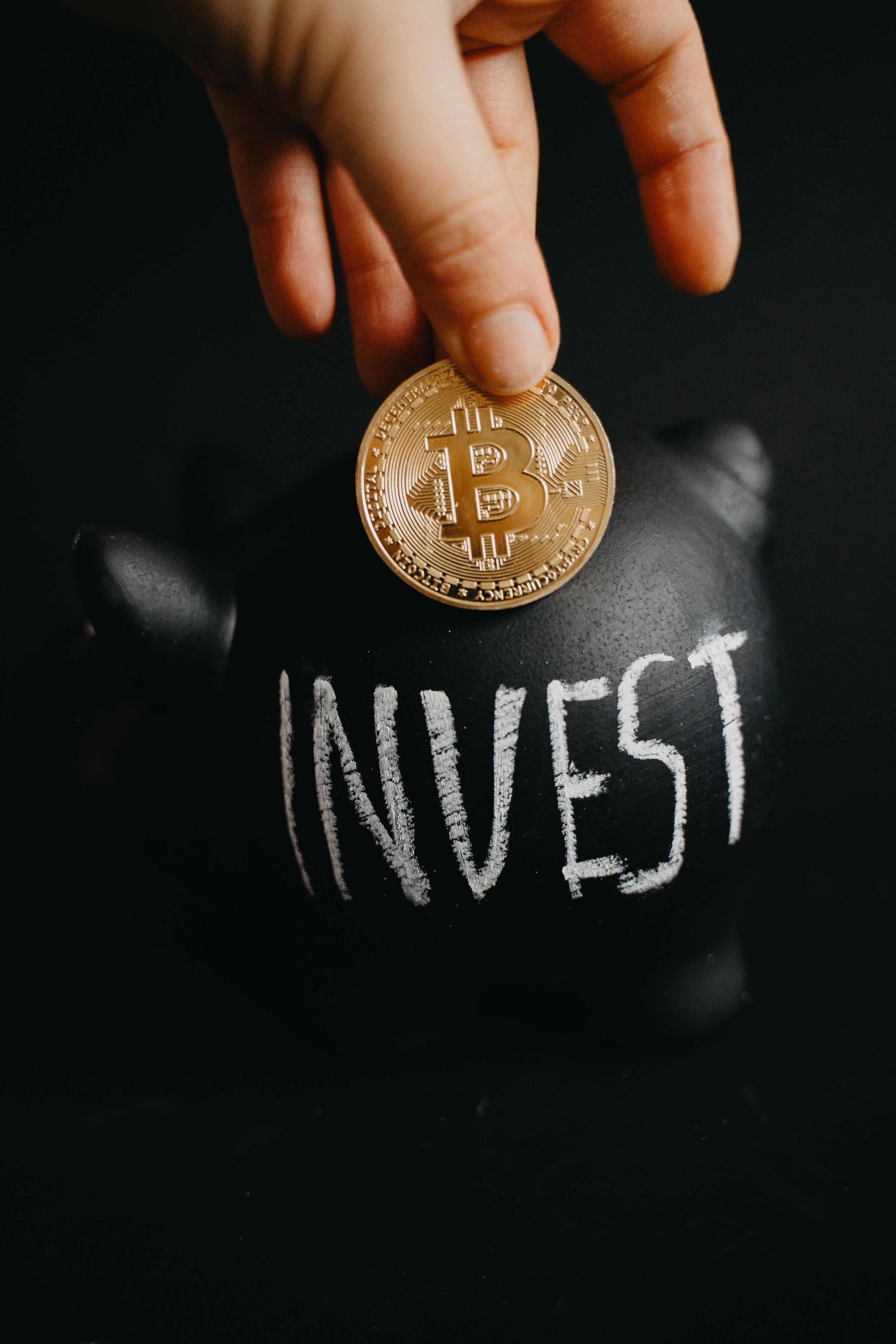
Investing is the single most powerful tool available for building long-term wealth — but most people delay starting because it feels complicated. It isn't. The basics are simple, and getting started early matters far more than getting started perfectly.
How to DOUBLE your money (faster than you expect) | NerdWallet
Source: NerdWallet
This guide covers everything you need to go from zero to invested — without jargon, without overwhelm.
Why Investing Matters (And Why Starting Early Is Everything)
Money sitting in a savings account loses purchasing power to inflation over time. Investing puts your money to work — earning returns that compound year after year.
The math is striking. $10,000 invested at age 25, earning 8% annually, grows to approximately $217,000 by age 65 — without adding another dollar. The same $10,000 invested at age 35 grows to only $100,000. Ten years of delay costs you $117,000.
See exactly how this works with our Compound Interest Calculator.
Before You Invest: The Prerequisites
Investing before these are in place is putting the cart before the horse:
- Emergency fund: 3–6 months of expenses in a high-yield savings account. Investing money you might need in an emergency forces you to sell at the worst time. See our Emergency Fund Calculator.
- High-interest debt paid off: Any debt above 7–8% APR should be eliminated before investing. A guaranteed 20% return (paying off a 20% APR credit card) beats any investment. See our debt payoff guide.
- Employer 401(k) match: If your employer matches 401(k) contributions, capture the full match before doing anything else. It's an immediate 50–100% return on your money.
If you have the emergency fund and no high-interest debt, you're ready to invest.
Which Account to Open First
Account type matters as much as what you invest in — tax-advantaged accounts can save you tens of thousands of dollars over a lifetime.
Priority Order for Most People
- 401(k) up to employer match — free money, always first
- Roth IRA — tax-free growth, flexible withdrawals, best for most people under 50. See our Roth vs. Traditional IRA guide.
- Max out 401(k) — after the Roth IRA is maxed
- Taxable brokerage account — no contribution limits, no restrictions, for money beyond tax-advantaged limits
Where to Open an Account
For most beginners, Fidelity, Vanguard, or Schwab are the best choices. All three offer:
- $0 account minimums
- $0 commissions on stock and ETF trades
- Excellent index fund options with low expense ratios
- Strong educational resources
What to Actually Invest In
For most beginners, the answer is simple: low-cost index funds.
An index fund holds a basket of stocks that tracks a market index — like the S&P 500 (the 500 largest U.S. companies). Instead of trying to pick winning stocks, you own a tiny slice of hundreds or thousands of companies at once.
Why index funds beat most alternatives:
- Instant diversification — one fund, hundreds of companies
- Low costs — expense ratios as low as 0.03% vs. 1%+ for actively managed funds
- Consistent performance — over 15+ year periods, index funds outperform ~90% of actively managed funds
- Simplicity — no research required, no stock-picking, no timing the market
A simple three-fund portfolio covers everything most investors need:
- U.S. total stock market index fund (e.g., FSKAX, VTSAX, SWTSX)
- International stock market index fund (e.g., FZILX, VXUS)
- U.S. bond index fund (e.g., FXNAX, BND) — more bonds as you approach retirement
Read the full guide: How to Invest in Index Funds.
How Much Should You Invest?
The standard recommendation is 15% of your gross income toward retirement — including any employer match. But if you're starting late or have ambitious goals, more is better.
If 15% isn't possible right now, start with whatever you can — even $50/month. The habit matters more than the amount early on. Increase your contribution by 1% every time you get a raise.
| Monthly Investment | After 10 Years (8% return) | After 20 Years | After 30 Years |
|---|---|---|---|
| $100 | $18,295 | $58,902 | $149,036 |
| $300 | $54,884 | $176,706 | $447,107 |
| $500 | $91,473 | $294,510 | $745,179 |
| $1,000 | $182,946 | $589,020 | $1,490,359 |
Use our Compound Interest Calculator to model your specific numbers.
Step-by-Step: How to Open an Account and Invest
- Choose a brokerage — Fidelity, Vanguard, or Schwab for most people
- Open the right account type — Roth IRA if you qualify, or a taxable brokerage account
- Fund the account — link your bank account and transfer money
- Choose your investments — a total market index fund is a complete starting point
- Set up automatic contributions — monthly auto-invest removes the temptation to time the market
- Leave it alone — don't check it daily, don't panic during downturns, don't try to time the market
The entire process takes about 20 minutes. The hardest part is starting.
Biggest Beginner Mistakes
- Waiting for the "right time." There is no right time. Time in the market beats timing the market — every year you wait is compounding you're missing.
- Picking individual stocks. Stock-picking is a loser's game for most investors. Even professional fund managers underperform index funds over time. Start with index funds.
- Panic-selling during downturns. Market drops are normal and temporary. Selling during a downturn locks in losses. The investors who stay invested through downturns are the ones who build wealth.
- Ignoring fees. A 1% annual fee vs. a 0.03% fee doesn't sound like much — but over 30 years, it can cost you 20–25% of your total portfolio value.
- Not increasing contributions over time. As your income grows, your investment contributions should grow too. Lifestyle inflation is the enemy of wealth building.
FAQ
How much money do I need to start investing?
Most major brokerages have $0 minimums. You can start with $1. The amount matters less than starting the habit and letting time work for you.
Is investing risky?
All investing involves risk. But diversified index fund investing over long time horizons (10+ years) has historically been one of the most reliable wealth-building strategies available. The risk of not investing — losing purchasing power to inflation — is also real.
Should I invest or pay off debt first?
Capture your employer's 401(k) match first (it's free money), then pay off high-interest debt (above 7–8% APR), then invest. For low-rate debt like federal student loans, investing and paying off debt simultaneously is often the right call.
What's the difference between a Roth IRA and a 401(k)?
A 401(k) is employer-sponsored with higher contribution limits ($23,500 in 2026). A Roth IRA is individual with lower limits ($7,000) but more investment flexibility and tax-free withdrawals in retirement. See our full comparison: Roth IRA vs. Traditional IRA.