A medical emergency abroad can cost $50,000–$200,000. Trip cancellation can mean losing $5,000–$20,000 in non-refundable costs. Travel insurance protects against these risks — but only if you understand what you're buying.
Travel Insurance Explained: What It Covers and When You Need It
Source: Concerning Reality
Types of Travel Insurance
- Comprehensive travel insurance: Bundles trip cancellation, medical, evacuation, and baggage coverage. Most popular type.
- Trip cancellation/interruption only: Covers non-refundable trip costs if you cancel or cut your trip short for covered reasons.
- Travel medical insurance: Covers medical expenses abroad. Essential if your health insurance doesn't cover international travel.
- Emergency evacuation insurance: Covers the cost of emergency medical transport — can exceed $100,000 for remote locations.
- Cancel for any reason (CFAR): Allows you to cancel for any reason and receive 50–75% of your trip cost back. More expensive but maximum flexibility.
- Annual multi-trip policies: Cover all trips in a year. Cost-effective for frequent travelers.
What Travel Insurance Covers
Trip cancellation/interruption: Covered reasons typically include:
- Illness or injury (you or a covered travel companion)
- Death of a family member
- Natural disasters at your destination
- Terrorism at your destination
- Jury duty or military deployment
- Job loss (some policies)
Travel medical: Emergency medical treatment, hospitalization, prescription drugs, dental emergencies
Emergency evacuation: Medical evacuation to the nearest adequate facility or back home
Baggage: Lost, stolen, or delayed luggage
Travel delay: Meals and accommodation if your trip is delayed 6+ hours
Common Exclusions
- Pre-existing medical conditions (unless you buy a waiver)
- Pandemics/epidemics (varies by policy — COVID coverage has improved)
- High-risk activities (skydiving, mountaineering) unless specifically covered
- Travel to countries under State Department Level 4 advisories
- Cancellation due to fear of travel (unless you have CFAR)
- Intoxication-related incidents
What Travel Insurance Costs
Comprehensive travel insurance typically costs 4–10% of your total trip cost:
- $2,000 trip: $80–$200
- $5,000 trip: $200–$500
- $10,000 trip: $400–$1,000
Medical-only policies are much cheaper: $50–$150 for a 2-week trip.
When Travel Insurance Is Worth It
Travel insurance is worth it when:
- You have significant non-refundable trip costs (flights, hotels, tours)
- You're traveling internationally (your health insurance likely doesn't cover you abroad)
- You're traveling to a remote destination where evacuation could be expensive
- You have health conditions that could affect your ability to travel
- You're booking far in advance (more time for things to go wrong)
Travel insurance may not be worth it for:
- Fully refundable bookings
- Domestic trips where your health insurance covers you
- Short, inexpensive trips
Credit Card Travel Protection
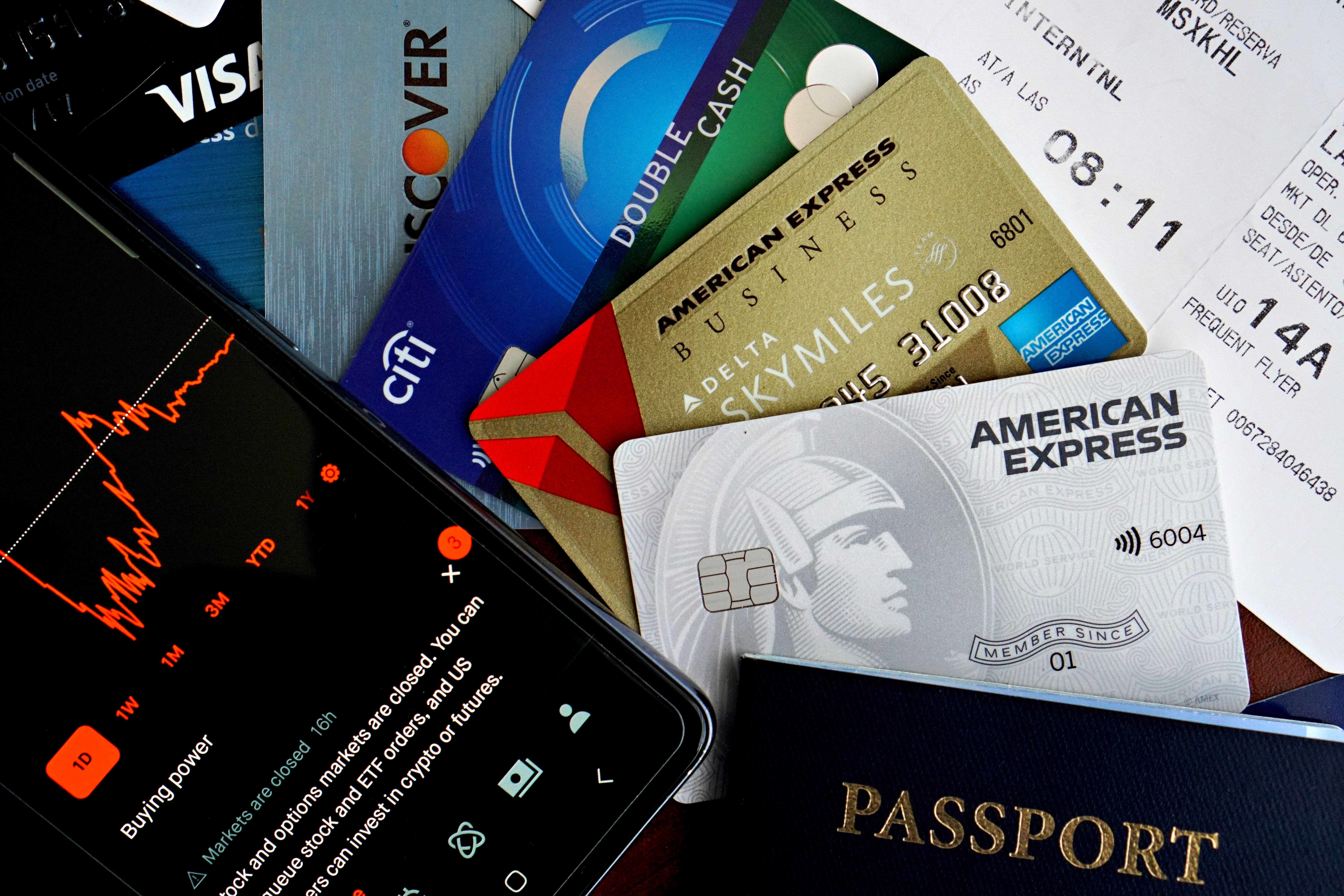
Many travel credit cards include trip cancellation, trip delay, and baggage protection. Before buying travel insurance, check what your credit card covers. Premium travel cards (Chase Sapphire Reserve, Amex Platinum) offer substantial coverage that may be sufficient for many trips.
Credit card coverage typically doesn't include travel medical insurance — you'll still want a separate medical policy for international travel.