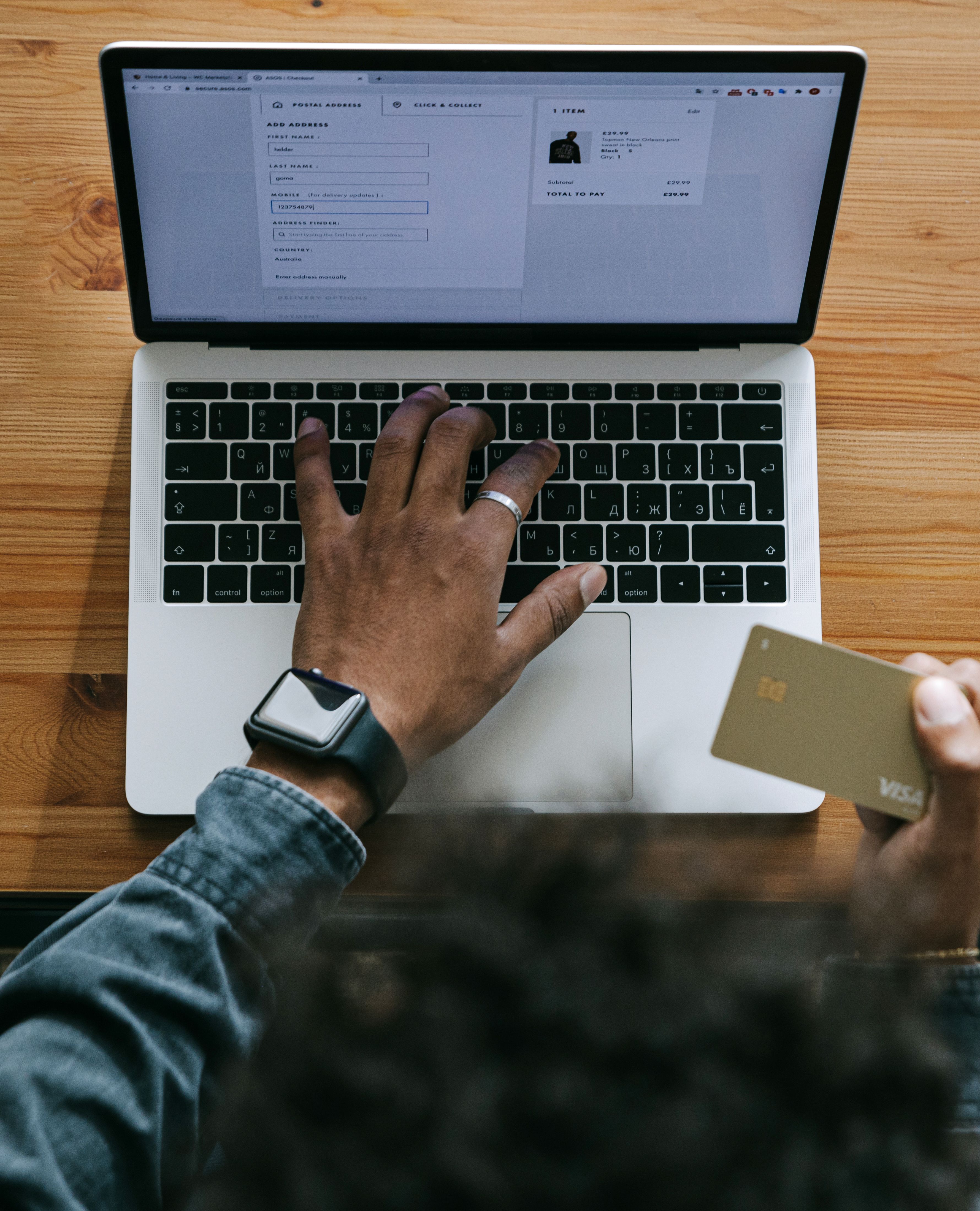
Online banks consistently offer higher savings rates, lower fees, and better mobile experiences than traditional banks. Traditional banks offer physical branches, in-person service, and a broader range of financial products. In 2026, the question isn't which is better in the abstract — it's which is better for your specific banking needs.
Should You Open An Account With Ally Bank? | NerdWallet
Source: NerdWallet
Head-to-Head Comparison
| Feature | Online Banks | Traditional Banks |
|---|---|---|
| Savings APY | 4.0–5.0% | 0.01–0.50% |
| Monthly fees | Usually $0 | $10–$25 (often waivable) |
| Minimum balance | Usually $0 | $0–$1,500 |
| ATM network | 40,000–70,000 (fee-free) | Varies (own network) |
| Branch access | None (or very limited) | Extensive |
| Cash deposits | Inconvenient | Easy |
| Customer service | Phone/chat/email | In-person + phone |
| Loan products | Limited | Full range |
| Mobile app quality | Usually excellent | Varies widely |
When Online Banks Win
- Savings accounts: Online banks pay 4–5% APY vs. 0.01–0.50% at traditional banks. On a $20,000 emergency fund, that's $800–$1,000/year vs. $2–$100. This difference alone justifies an online savings account for almost everyone.
- Checking with no fees: Online banks rarely charge monthly fees or require minimum balances. Traditional banks often charge $10–$25/month unless you meet requirements.
- Tech-forward features: Early direct deposit (2 days early), instant notifications, automatic savings rules, and superior mobile apps are standard at online banks.
- You rarely need a branch: If 95% of your banking is done digitally, paying for branch infrastructure you don't use makes no sense.
When Traditional Banks Win
- You regularly deposit cash: Online banks make cash deposits inconvenient. If you handle cash regularly (tips, freelance payments, small business), a traditional bank or credit union is more practical.
- Complex financial needs: Mortgages, business banking, wealth management, and safe deposit boxes are better served by full-service banks with relationship managers.
- You prefer in-person service: Some people want to talk to a human face-to-face for financial decisions. That's a legitimate preference that traditional banks serve.
- International banking: Traditional banks often have better international wire transfer capabilities and foreign currency services.
The Hybrid Approach (Best of Both)
Many financially savvy people use both: a traditional bank for their primary checking (direct deposit, bill pay, branch access when needed) and an online bank for their savings (to capture the higher APY).
Example setup:
- Chase or local credit union: Primary checking, direct deposit, debit card for daily spending
- SoFi or Ally: High-yield savings account for emergency fund and savings goals
Transfer money between accounts takes 1–3 business days via ACH. This slight inconvenience is worth $800–$1,000/year in additional interest on your savings.
FAQ
Are online banks safe?
Yes — FDIC insurance covers deposits up to $250,000 at any FDIC-insured bank, online or traditional. The same federal protections apply. Check that any online bank you use is FDIC insured at fdic.gov.
What happens if an online bank fails?
FDIC insurance covers your deposits up to $250,000. You'd receive your insured funds within a few business days. This is the same process as a traditional bank failure.
Can I get a mortgage from an online bank?
Yes — many online banks and online-only lenders (Rocket Mortgage, Better.com, Ally) offer mortgages. Rates are often competitive with traditional banks. The process is entirely digital.
Do online banks have Zelle?
Many do — Ally, SoFi, and others support Zelle. Check your specific bank's app. If your online bank doesn't support Zelle, Venmo and PayPal are widely accepted alternatives.
For most people, the optimal setup is an online savings account (for the high APY) paired with either an online checking account (for no fees) or a traditional bank checking account (for branch access). The days of keeping all your money at a big bank earning 0.01% are over — the tools to earn 4–5% on your savings are free and easy to set up.